Methane → Zinc pivalate
Reaction equation

[C:1]([OH:7])(=[O:6])[C:2]([CH3:5])([CH3:4])[CH3:3].C[Li].C.[Cl-].[Cl-].[Zn+2:13].C1COCC1>>[C:1]([O-:7])(=[O:6])[C:2]([CH3:5])([CH3:4])[CH3:3].[Zn+2:13].[C:1]([O-:7])(=[O:6])[C:2]([CH3:5])([CH3:4])[CH3:3]Participants
6
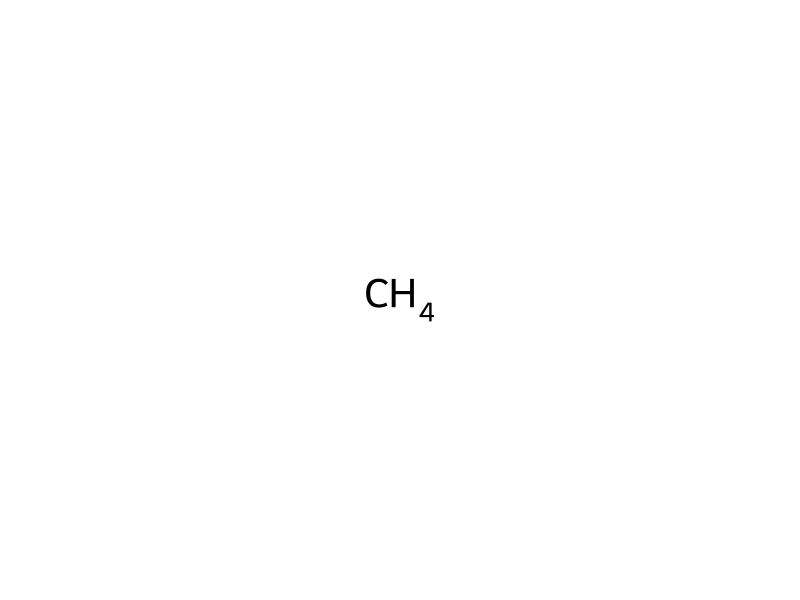





Conditions
- Temperature
- 0 °C
Procedure
Pivalic acid (20.4 g, 22.6 mL, 200 mmol) is placed in a dry and argon-flushed 500 mL Schlenk-flask equipped with a magnetic stirring bar and a septum, and the pivalic acid is dissolved in dry THF (100 mL). The solution is cooled to 0° C. and methyllithium (135 mL, 1.63 M in diethyl ether, 220 mmol) is added dropwise. After the evolution of methane gas has stopped, ZnCl2 in THF (100 mL, 1.0 M, 100 mmol) is added and the mixture is stirred for 2 h at 25° C. The solvent is removed in vacuo and zinc pivalate.2LiCl (2a) is obtained as a colourless solid in quantitative yield.
Workup
- customa dry
- customargon-flushed 500 mL Schlenk-flask
- customequipped with a magnetic stirring bar
- dissolutiona septum, and the pivalic acid is dissolved in dry THF (100 mL)
- customThe solvent is removed in vacuo and zinc pivalate
Sources & evidence
- ORD record
- ord-f1f5fe2877114a93bc7fe90e20f213f2
- Source dataset
- uspto-grants-2016_03
- Patent number
- US09273070B2
Reaction notes
Loading…