Butyl iodide → HCID 70982481, compound
Reaction equation

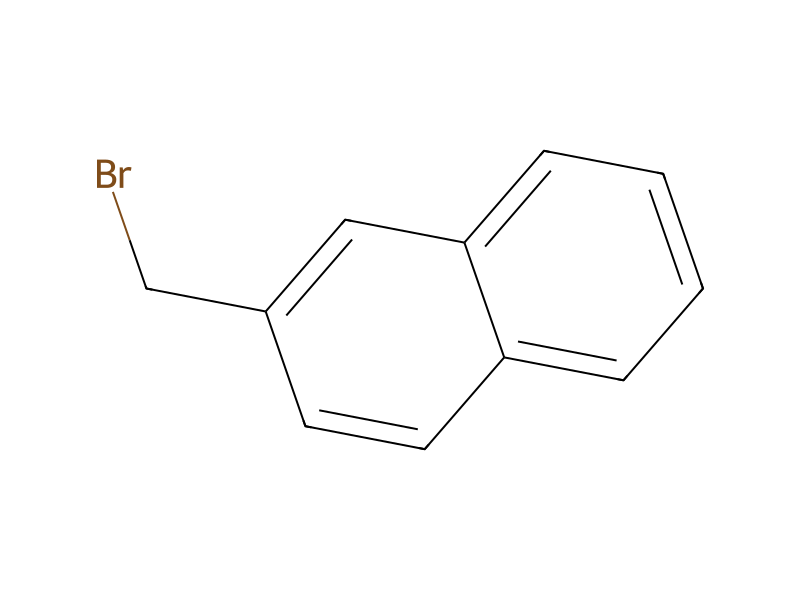
[Cl:1][C:2]1[N:3]=[CH:4][NH:5][C:6]=1[Cl:7].[OH-].[K+].I[CH2:11][CH2:12][CH2:13][CH3:14].[K+].[Br-].[Br:17][CH2:18][C:19]1[CH:28]=[CH:27][C:26]2[C:21](=[CH:22][CH:23]=[CH:24][CH:25]=2)[CH:20]=1>C(#N)C>[Br-:17].[CH2:11]([C:27]1[C:26]2[C:21](=[CH:22][CH:23]=[CH:24][CH:25]=2)[CH:20]=[C:19]([CH3:18])[C:28]=1[N+:3]1[C:2]([Cl:1])=[C:6]([Cl:7])[NH:5][CH:4]=1)[CH2:12][CH2:13][CH3:14]Participants





Procedure
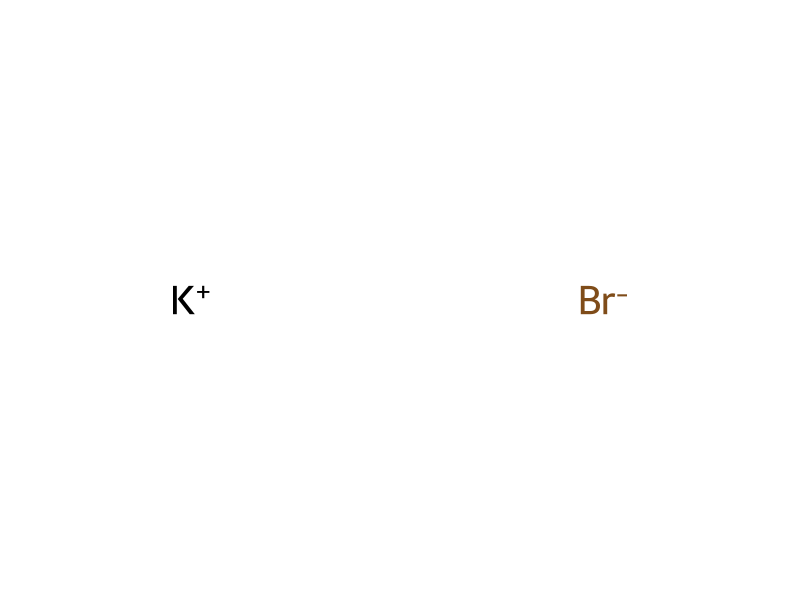
4,5-Dichloroimidazole (1.23 g, 9 mmol) was dissolved into 27 mL of acetonitrile. Potassium hydroxide (0.61 g, 9.9 mmol) was added and the mixture was allowed to stir for 0.5 h. 1-iodobutane (1 mL, 9 mmol) was added and the solution was allowed to reflux overnight. The solution was filtered hot to remove a white precipitate (presumed to be KBr) and 2-bromomethylnaphthalene (1.98 g, 9 mmol) was added and the mixture was returned to reflux overnight. The mixture was then allowed to cool to room temperature, resulting in a yellow precipitate (1.125, 31% yield). 1H NMR (500 MHz, DMSO-d6) 9.66 (1H, s, NCHN), 8.02 (4H, m, Ar), 7.57 (3H, m, Ar), 5.66 (2H, s, NCH2), 4.24 (2H, t, NCH2), 1.80 (2H, tt, CH2), 1.37 (2H, tq, CH2), 0.93 (3H, t, CH3). 13C{1H} NMR (125 MHz, DMSO-d6) 136.4 (NCN), 132.8 (Ar), 132.6 (Ar), 130.0 (Ar), 128.8 (Ar), 127.8 (Ar), 127.7 (Ar), 127.6 (Ar), 126.8 (Ar), 126.7 (Ar), 125.5 (Ar), 119.1 (Ar), 118.7 (Ar), 51.6 (CH2), 48.3 (CH2), 30.1 (CH2), 18.7 (CH2), 13.2 (CH3). MS: m/z=332.9 (theor for C18H19Cl2N2Br1=414.17).
Workup
- temperatureto reflux overnight
- filtrationThe solution was filtered hot
- additionwas added
- temperatureto reflux overnight
- customresulting in a yellow precipitate (1.125, 31% yield)
Sources & evidence
- ORD record
- ord-cf30011afb01452e8105b1bdc8fc9074
- Source dataset
- uspto-grants-2016_03
- Patent number
- US09278951B2
Reaction notes
Loading…