Carbazole → 9-Phenylcarbazole
Reaction equation

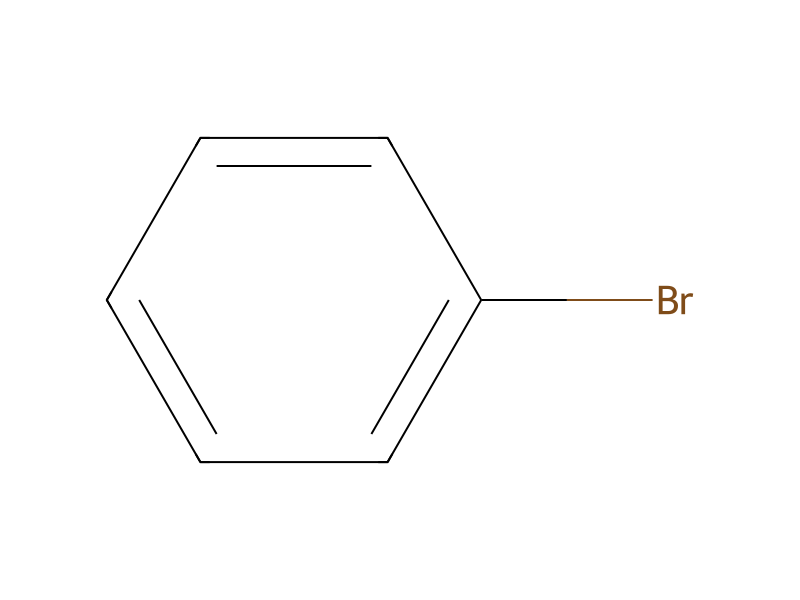
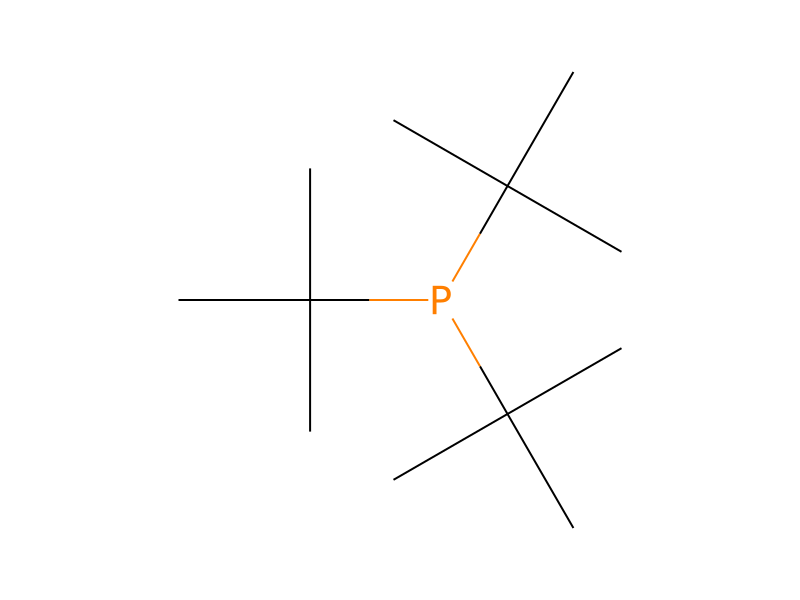
[CH:1]1[C:13]2[NH:12][C:11]3[C:6](=[CH:7][CH:8]=[CH:9][CH:10]=3)[C:5]=2[CH:4]=[CH:3][CH:2]=1.Br[C:15]1[CH:20]=[CH:19][CH:18]=[CH:17][CH:16]=1.[O-]CCCC.[Na+].C(P(C(C)(C)C)C(C)(C)C)(C)(C)C>C([O-])(=O)C.[Pd+2].C([O-])(=O)C.C1(C)C=CC=CC=1>[C:15]1([N:12]2[C:11]3[CH:10]=[CH:9][CH:8]=[CH:7][C:6]=3[C:5]3[C:13]2=[CH:1][CH:2]=[CH:3][CH:4]=3)[CH:20]=[CH:19][CH:18]=[CH:17][CH:16]=1Participants
7
Reactant 4


Product 1

Reagents, catalysts & solvents 2


Conditions
- Temperature
- 60 °C
Procedure
2.5 g of carbazole, 2 g of bromobenzene and 0.064 g of a palladium acetate catalyst were dissolved in 40 mL of toluene, and the resulting solution was heated to 60° C. Subsequently, a solution of 1.5 g of sodium butoxide and 0.385 g of tri-tert-butylphosphine dissolved in toluene was slowly added dropwise. The mixture was refluxed at a steady 100° C. After completion of the reaction, the reaction mixture was extracted with dichloromethane and distilled water, and the solvent was dried. The resulting solid was filtered and purified, yielding a 9-phenyl carbazole compound as an intermediate.
Workup
- additionwas slowly added dropwise
- temperatureThe mixture was refluxed at a steady 100° C
- customAfter completion of the reaction
- extractionthe reaction mixture was extracted with dichloromethane
- distillationdistilled water
- customthe solvent was dried
- filtrationThe resulting solid was filtered
- custompurified
Sources & evidence
- ORD record
- ord-5fdf4fe57b5a41bbac26ed7cd82381d5
- Source dataset
- uspto-grants-2016_03
- Patent number
- US09278986B2
Reaction notes
Loading…