Triethylamine → 3-(4-Chloro-phenyl)-7,8-dimethoxy-6-nitro-chromen-2-one
Reaction equation

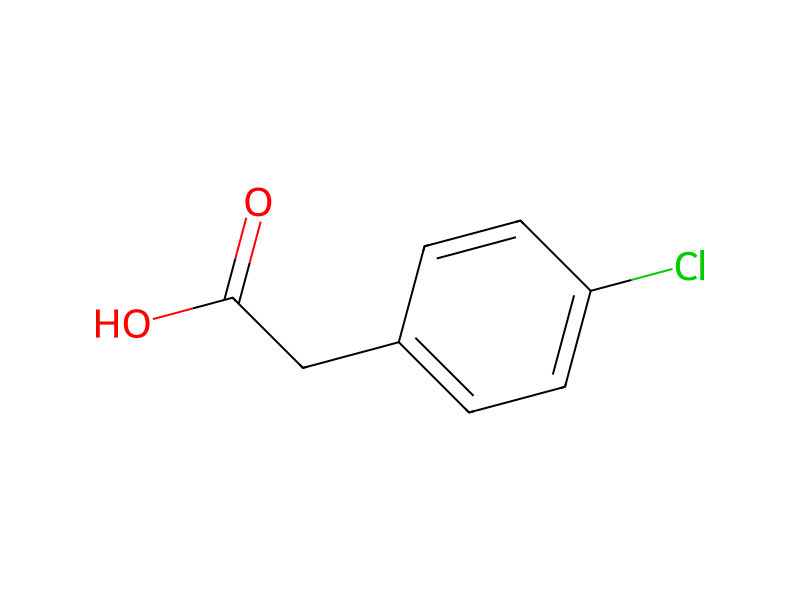
[OH:1][C:2]1[C:9]([O:10][CH3:11])=[C:8]([O:12][CH3:13])[C:7]([N+:14]([O-:16])=[O:15])=[CH:6][C:3]=1[CH:4]=O.[Cl:17][C:18]1[CH:23]=[CH:22][C:21]([CH2:24][C:25](O)=[O:26])=[CH:20][CH:19]=1.C1(OP(Cl)(Cl)=O)C=CC=CC=1.C(N(CC)CC)C>ClCCCl>[Cl:17][C:18]1[CH:23]=[CH:22][C:21]([C:24]2[C:25](=[O:26])[O:1][C:2]3[C:3]([CH:4]=2)=[CH:6][C:7]([N+:14]([O-:16])=[O:15])=[C:8]([O:12][CH3:13])[C:9]=3[O:10][CH3:11])=[CH:20][CH:19]=1Participants
6
Reactant 4



Product 1

Reagents, catalysts & solvents 1

Procedure
2-Hydroxy-3,4-dimethoxy-5-nitro-benzaldehyde (2.44 g), 4-chlorophenyl acetic acid (1.82 g), PhOPOCl2 (1.6 ml) and triethylamine (4.5 ml) in 1,2-dichloroethane (125 ml) were refluxed for 5 hours as described in example 1(a). Yield: 2.40 g.
Sources & evidence
- ORD record
- ord-56a814fa2cdb411599e2f52519d0c7e9
- Source dataset
- uspto-grants-2005_10
- Patent number
- US06951870B2
Reaction notes
Loading…