Hydrochloric Acid → 5-chloro-2,4-dihydroxybenzaldehyde
Reaction equation

Cl.[Cl:2][C:3]1[CH:9]=[CH:8][C:6]([OH:7])=[CH:5][C:4]=1[OH:10].C[CH2:12][OH:13]>[C-]#N.[C-]#N.[Zn+2]>[OH:7][C:6]1[CH:5]=[C:4]([OH:10])[C:3]([Cl:2])=[CH:9][C:8]=1[CH:12]=[O:13]Participants
5
Reactant 3


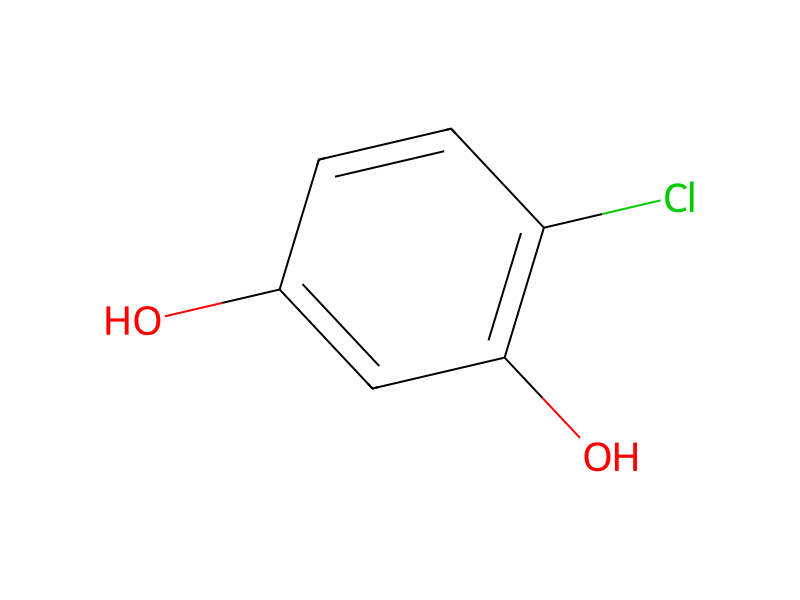
Product 1

Reagents, catalysts & solvents 1
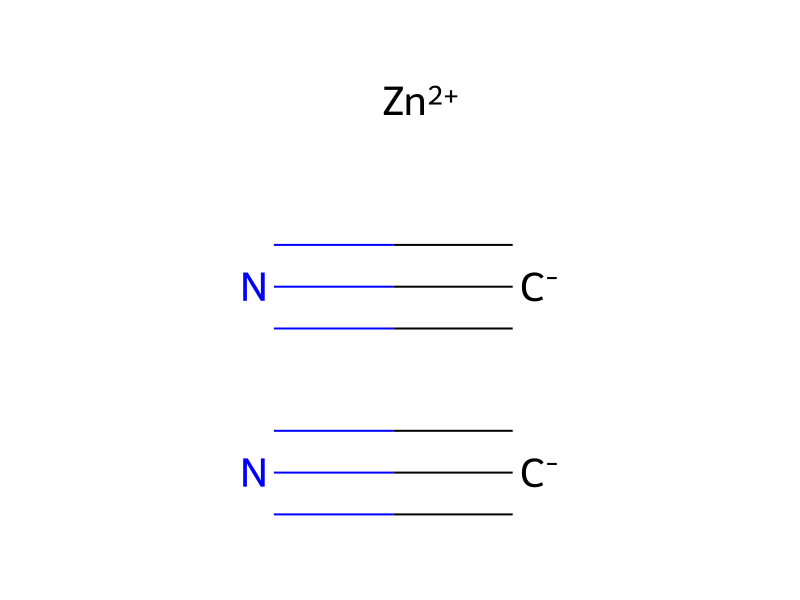
Conditions
- Temperature
- 100 °C
Procedure
At 0° C., a stream of hydrogen chloride was blown into a suspension of 4-chlororesorcinol (10.9 g, 75.43 mmol), Zn(CN)2 (13.5 g, 115 mmol), and KCL (0.25 g, 3.36 mmol) in EtOH (35 mL). The solution was stirred at 0° C. until the absorption of HCl gas stopped. The stirring was continued for another 2 hours at 10° C., during which more precipitate formed. After the precipitate was allowed to settle, the ethereal solution was decanted. The solid was treated with ice water (about 100 mL) and then heated to 100° C. for 0.5 hours. Upon cooling to room temperature, the product was formed as a solid at the bottom of the flask. Filtration and drying under a high vacuum afforded the desired product as a white solid (1.5 g, 11.5%).
Workup
- customthe ethereal solution was decanted
- additionThe solid was treated with ice water (about 100 mL)
- temperatureUpon cooling to room temperature
- customthe product was formed as a solid at the bottom of the flask
- filtrationFiltration
- customdrying under a high vacuum
Sources & evidence
- ORD record
- ord-5e2d69513e2340b7a1ee9f4a55cfd03e
- Source dataset
- uspto-grants-2007_12
- Patent number
- US07304168B2
Reaction notes
Loading…