3-Chloro-2-methyl-1-propene → 1-Chloro-2-fluoro-4-(2-methylprop-2-en-1-yl)benzene
Reaction equation

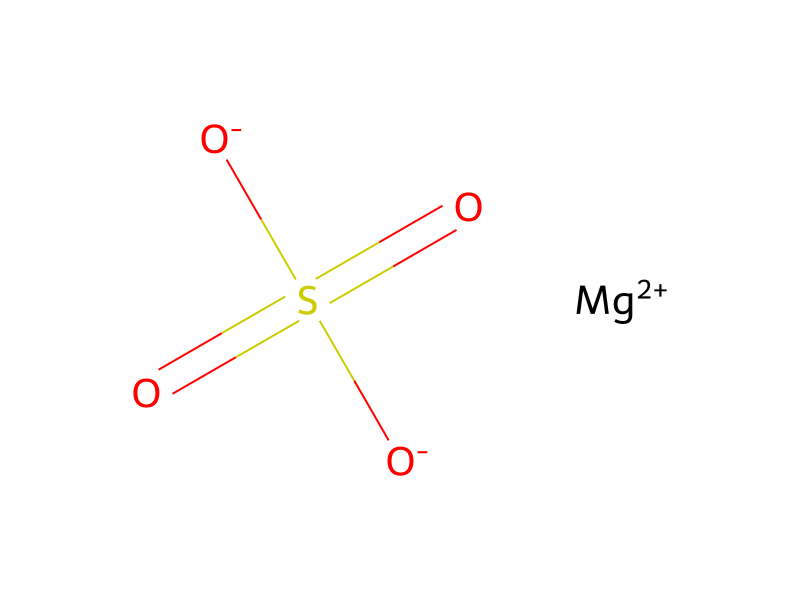
[Mg].Br[C:3]1[CH:8]=[CH:7][C:6]([Cl:9])=[C:5]([F:10])[CH:4]=1.Cl[CH2:12][C:13]([CH3:15])=[CH2:14].[Cl-].[NH4+].S([O-])([O-])(=O)=O.[Mg+2]>O1CCCC1.[Cu](I)I.II>[Cl:9][C:6]1[CH:7]=[CH:8][C:3]([CH2:14][C:13]([CH3:15])=[CH2:12])=[CH:4][C:5]=1[F:10]Participants
Reactant 5




Product 1

Reagents, catalysts & solvents 3



Procedure
Magnesium (2.43 g) and iodine (10 mg) were added to tetrahydrofuran (40 ml) and a solution of 4-bromo-1-chloro-2-fluorobenzene (21.0 g) in tetrahydrofuran (40 ml) was added dropwise, and the mixture was stirred at room temperature for 1 hr to give a Grignard's reagent. The reaction mixture was ice-cooled and copper iodide (1.90 g) was added. 3-Chloro-2-methyl-1-propene (14.8 ml) was added and the mixture was stirred at room temperature for 1 hr. The reaction mixture was ice-cooled and saturated aqueous ammonium chloride solution (10 ml) was added. The mixture was stirred at room temperature for 20 min and magnesium sulfate (40 g) was added. The reaction mixture was filtered and the filtrate was concentrated under reduced pressure. Hexane (100 ml) was added to the obtained residue and insoluble materials were filtered off. The resulting solution was concentrated under reduced pressure to give the title compound (16.9 g).
Workup
- customto give a Grignard's reagent
- temperaturecooled
- stirringthe mixture was stirred at room temperature for 1 hr
- temperaturecooled
- stirringThe mixture was stirred at room temperature for 20 min
- filtrationThe reaction mixture was filtered
- concentrationthe filtrate was concentrated under reduced pressure
- additionHexane (100 ml) was added to the obtained residue and insoluble materials
- filtrationwere filtered off
- concentrationThe resulting solution was concentrated under reduced pressure
Sources & evidence
- ORD record
- ord-2c244ac55eec4504814a6f9824bcfb52
- Source dataset
- uspto-grants-2007_12
- Patent number
- US07304174B2
Reaction notes
Loading…