Dibenzylamine → Dibenzylamine
Reaction equation

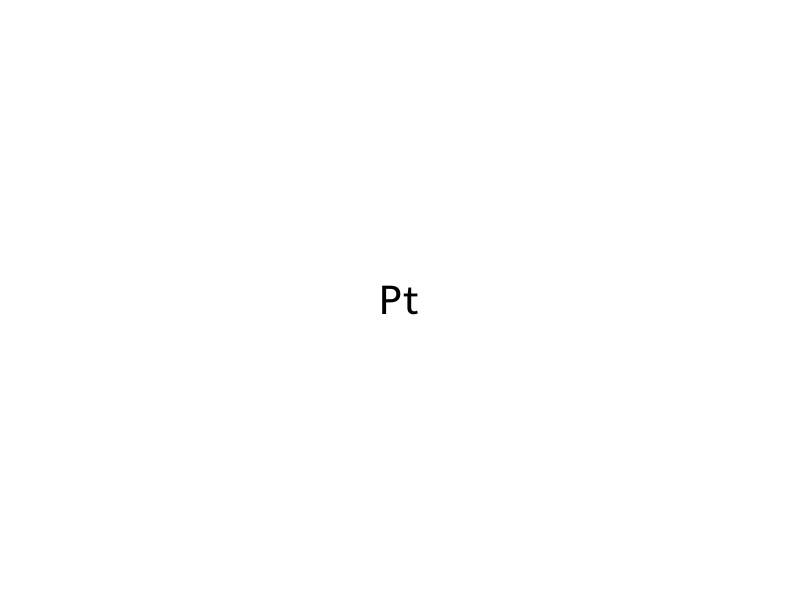
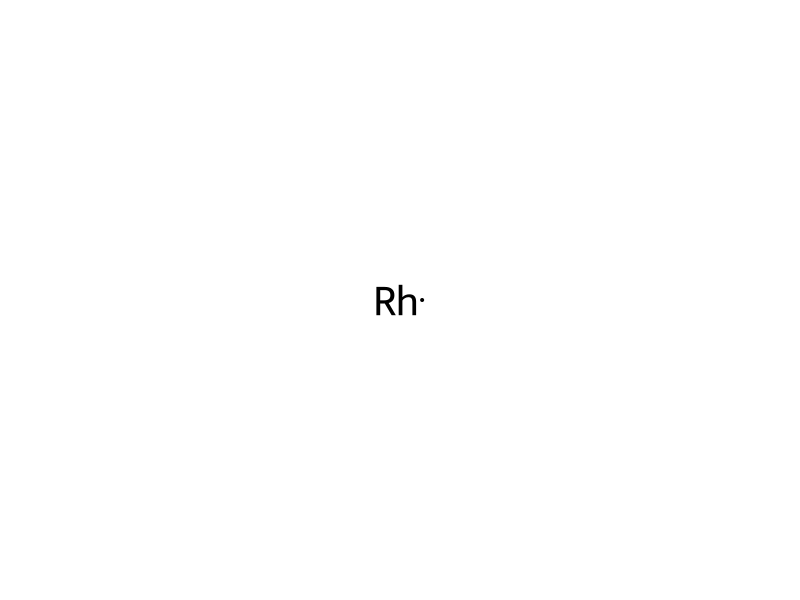
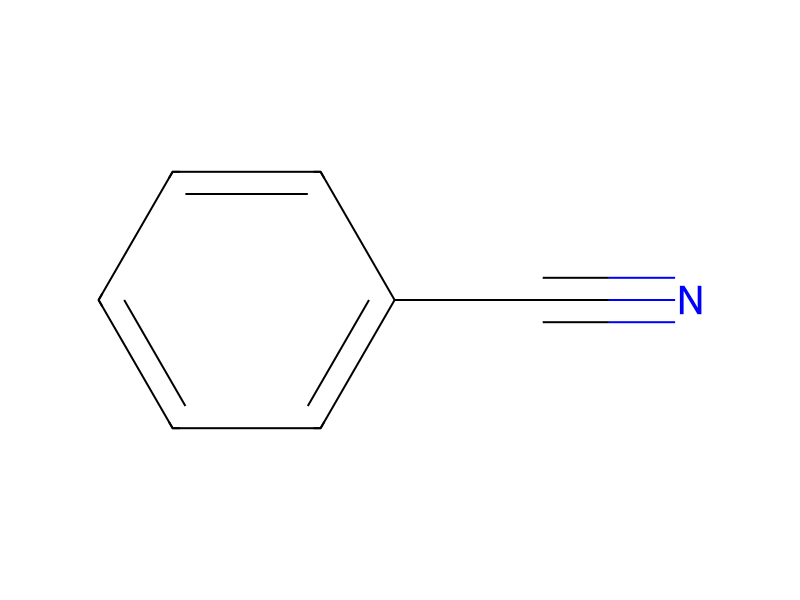
[CH2:1]([NH:8][CH2:9][C:10]1[CH:15]=[CH:14][CH:13]=[CH:12][CH:11]=1)[C:2]1[CH:7]=[CH:6][CH:5]=[CH:4][CH:3]=1>[Pt].[Rh].C(#N)C1C=CC=CC=1>[CH2:1]([NH2:8])[C:2]1[CH:7]=[CH:6][CH:5]=[CH:4][CH:3]=1.[CH2:9]([NH:8][CH2:1][C:2]1[CH:7]=[CH:6][CH:5]=[CH:4][CH:3]=1)[C:10]1[CH:15]=[CH:14][CH:13]=[CH:12][CH:11]=1Participants
Reactant 1

Product 2

Reagents, catalysts & solvents 3
Procedure
in a batch process, the above reactions compete for reactants and a variety of reaction products are formed. Many means have been employed to minimize the extent of these reactions including reduction in very dilute organic solvent solutions, solvent selection and catalyst selection. Rylander et al. disclose, in U.S. Pat. No. 3,117,162 and Annals N.Y. Acad. Sci. 214:100-109(1973), a batch process for the reduction of benzonitrile in dilute organic solvent solutions such as hexane, octane, ethanol and benzene by hydrogenation over rhodium, palladium, platinum, or ruthenium catalysts (all 5% on carbon). At best, Rylander et al. obtain benzylamine at 63% yield from a mixed reaction product containing 34% of the secondary amine. The production of dibenzylamine is favored in this process by the selective use of rhodium on carbon or platinum on carbon catalysts, but in all other cases it is obtained as a mixture containing large amounts of the primary amine. In addition, long reaction times, 2 to 21 hours, are required to reduce the benzonitrile and the reaction products must be further separated from very dilute organic solvent solutions. Similarly, Takagi et al. in Sci. Papers Inst. Phys. Chem. Res. 61(3), 114-117(1967), disclose a batch process for the reduction of benzonitrile in ethanol over 3:1 iridium platinum oxide catalyst. This reaction produces about 42% benzylamine and 50% dibenzylamine. In each case long reaction times are required and the reaction products must be separated from very dilute solutions. As a result, these prior art techniques are time consuming and costly.
Workup
- customfrom a mixed reaction product
- customin all other cases it is obtained as a mixture
- customIn addition, long reaction times, 2 to 21 hours
- customthe reaction products must be further separated from very dilute organic solvent solutions
Sources & evidence
- ORD record
- ord-b50718184c1948b99c03b4c45628a7a3
- Source dataset
- uspto-grants-1979_07
- Patent number
- US04163025
Reaction notes
Loading…