Ammonia → 4-(2-methyl-1H-benzimidazol-1-yl)benzonitrile
Reaction equation

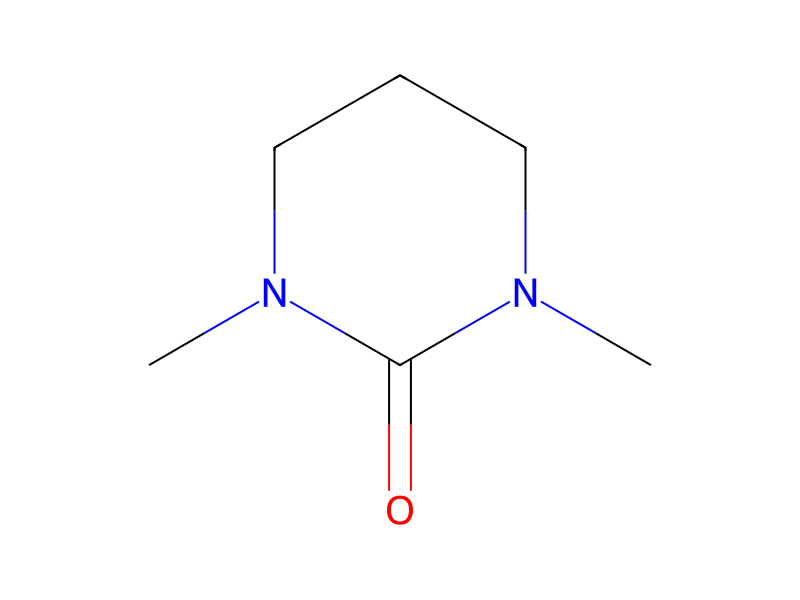
I[C:2]1[CH:7]=[CH:6][C:5]([N:8]2[C:12]3[CH:13]=[CH:14][CH:15]=[CH:16][C:11]=3[N:10]=[C:9]2[CH3:17])=[CH:4][CH:3]=1.N.[CH3:19][N:20]1CCCN(C)C1=O>C([O-])(=O)C.[Pd+2].C([O-])(=O)C.[Cu]>[C:19]([C:2]1[CH:7]=[CH:6][C:5]([N:8]2[C:12]3[CH:13]=[CH:14][CH:15]=[CH:16][C:11]=3[N:10]=[C:9]2[CH3:17])=[CH:4][CH:3]=1)#[N:20]Participants
6





Conditions
- Temperature
- 100 °C
Procedure
Cuprous cyanide (8.323 g, 93 mmol) was added to a mixture of 1-(4-iodophenyl)-2-methylbenzimidazole (5.184 g, 15.5 mmol) and palladium (II) acetate (170 mg) in N,N'-dimethyl-1,4,5,6-tetrahydro-2-pyrimidone (15 ml) and the resulting solution was heated under nitrogen at 100° C. for 15 hours. The mixture was cooled, poured into saturated aqueous ammonia (150 ml) and shaken to dissolve the copper salts. The mixture was extracted with ether (3×150 ml), and the combined extracts were washed consecutively with water (3×150 ml), brine (150 ml), and then dried (MgSO4) and concentrated under reduced pressure to give 1-(4-cyanophenyl)-2-methylbenzimidazole, 941 mg, as a white solid.
Workup
- temperatureThe mixture was cooled
- extractionThe mixture was extracted with ether (3×150 ml)
- washthe combined extracts were washed consecutively with water (3×150 ml), brine (150 ml)
- dry with materialdried (MgSO4)
- concentrationconcentrated under reduced pressure
Sources & evidence
- ORD record
- ord-270b6c2251614a9a855264a978ea1759
- Source dataset
- uspto-grants-1991_11
- Patent number
- US05063237
Reaction notes
Loading…