Acetone → HCID 19985760, compound
Reaction equation

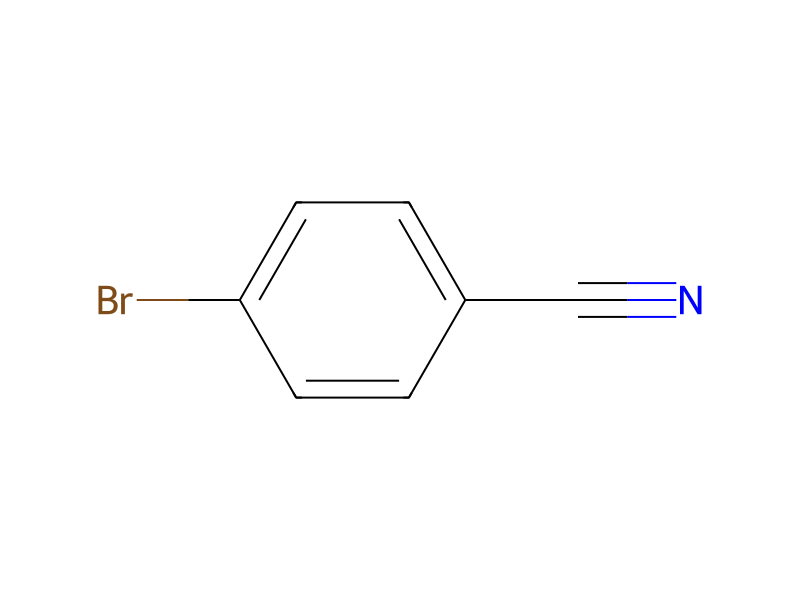
[NH2:1][C:2]1[S:3][C:4]2[CH2:5][CH2:6][N:7]([CH2:12][C:13]#[CH:14])[CH2:8][CH2:9][C:10]=2[N:11]=1.Br[C:16]1[CH:23]=[CH:22][C:19]([C:20]#[N:21])=[CH:18][CH:17]=1.CC(C)=O>C(NCC)C.[Cu]I.Cl[Pd](Cl)([P](C1C=CC=CC=1)(C1C=CC=CC=1)C1C=CC=CC=1)[P](C1C=CC=CC=1)(C1C=CC=CC=1)C1C=CC=CC=1>[NH2:1][C:2]1[S:3][C:4]2[CH2:5][CH2:6][N:7]([CH2:12][C:13]#[C:14][C:16]3[CH:23]=[CH:22][C:19]([C:20]#[N:21])=[CH:18][CH:17]=3)[CH2:8][CH2:9][C:10]=2[N:11]=1Participants
6
Reactant 3


Product 1

Reagents, catalysts & solvents 2


Procedure
Prepared analogously to Example 10 from 2-amino-6-propargyl-4,5,7,8-tetrahydro-6H-thiazolo[5,4-d]azepine, 4-bromo-benzonitrile and copper(I)iodide/bis(triphenyl-phosphine)palladium dichloride in diethylamine for 6 hours at ambient temperature. Yield: 46% of theory, Melting point: 174°-176° C. (acetone).
Sources & evidence
- ORD record
- ord-a111f888be474c689cc97a7ececbb22e
- Source dataset
- uspto-grants-1991_11
- Patent number
- US05068325
Reaction notes
Loading…