Hydrochloric Acid → HCID 15136264, compound
Reaction equation

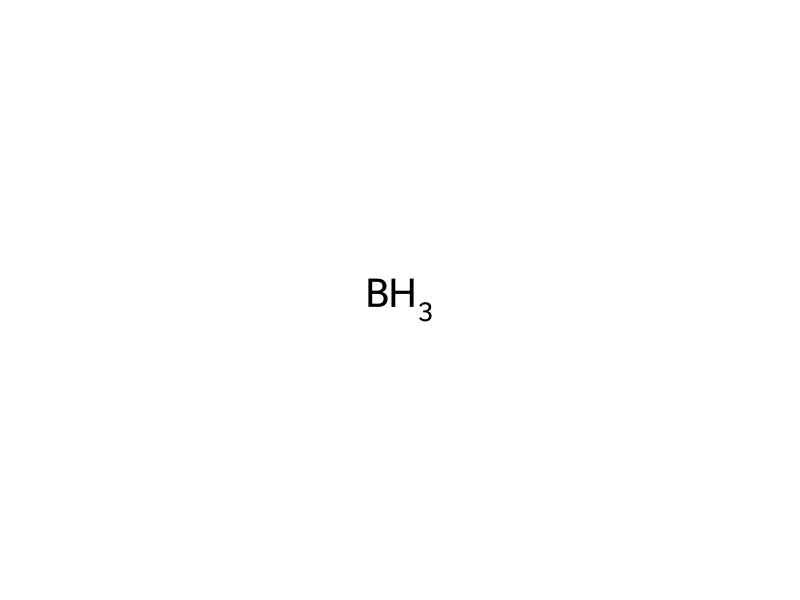
[C:1]([CH:4]1[CH2:6][CH:5]1[C:7]1[C:17]([F:18])=[CH:16][C:10]([C:11]([O:13][CH2:14][CH3:15])=[O:12])=[C:9]([F:19])[C:8]=1[F:20])(O)=[O:2].B.C(OCC)(=O)C.Cl>O1CCCC1.O>[OH:2][CH2:1][CH:4]1[CH2:6][CH:5]1[C:7]1[C:17]([F:18])=[CH:16][C:10]([C:11]([O:13][CH2:14][CH3:15])=[O:12])=[C:9]([F:19])[C:8]=1[F:20]Participants






Procedure
In 60 ml of anhydrous tetrahydrofuran was dissolved 6.00 g of ethyl 4-(2-carboxycyclopropyl)-2,3,5-trifluorobenzoate. To the resulting solution was added 42 ml of a 1M solution of borane in tetrahydrofuran with ice-cooling. The resulting mixture was stirred for 1.5 hours at room temperature. The reaction mixture was added to a mixture of 100 ml of ethyl acetate and 100 ml of water. The resulting mixture was adjusted to pH 1 with 2N hydrochloric acid. The organic layer was separated, washed with water and a saturated aqueous sodium chloride solution in this order, and dried over anhydrous magnesium sulfate. The solvent was removed by distillation under reduced pressure. The residue obtained was purified by a column chromatography (eluant: toluene/ethyl acetate=4/1) to obtain 4.40 g (yield: 77.1%) of ethyl 4-(2-hydroxymethylcyclopropyl)-2,3,5-trifluorobenzoate.
Workup
- temperaturecooling
- customThe organic layer was separated
- washwashed with water
- dry with materiala saturated aqueous sodium chloride solution in this order, and dried over anhydrous magnesium sulfate
- customThe solvent was removed by distillation under reduced pressure
- customThe residue obtained
- customwas purified by a column chromatography (eluant: toluene/ethyl acetate=4/1)
Sources & evidence
- ORD record
- ord-8c06ac7f829a46d1ba2058676628b65c
- Source dataset
- uspto-grants-1991_02
- Patent number
- US04990508
Reaction notes
Loading…