Sodium Iodide → HCID 722433, compound
Reaction equation

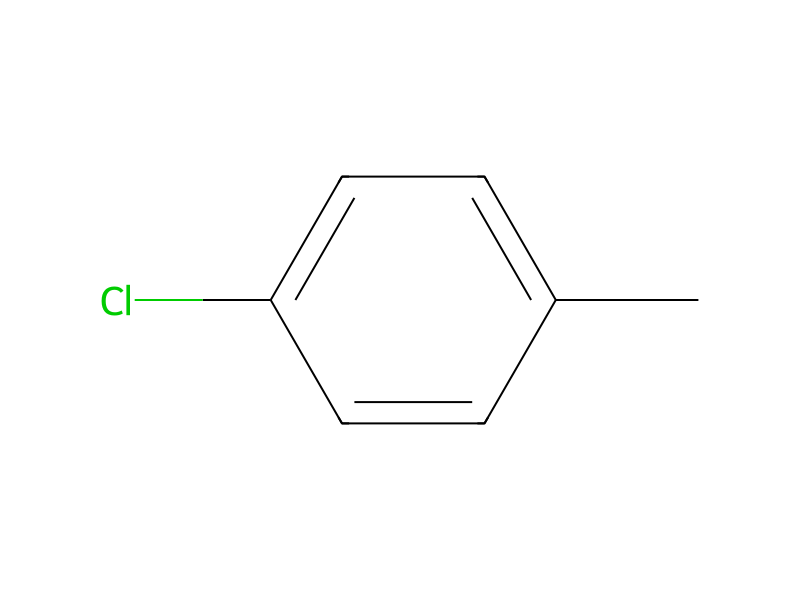
C1(P(C2C=CC=CC=2)C2C=CC=CC=2)C=CC=CC=1.[I-].[Na+].Cl[C:23]1[CH:28]=[CH:27][C:26]([CH3:29])=[CH:25][CH:24]=1.Cl[CH2:31][C:32]([O:34][C:35]1[CH:40]=[CH:39][CH:38]=[CH:37][CH:36]=1)=[O:33]>CN(C)C=O.[Zn].[Ni](Cl)Cl>[C:32]([O:34][C:35]1[CH:40]=[CH:39][C:38]([C:23]2[CH:28]=[CH:27][C:26]([CH3:29])=[CH:25][CH:24]=2)=[CH:37][CH:36]=1)(=[O:33])[CH3:31]Participants







Procedure
20 g of zinc dust, 20 go of triphenylphosphine, 3 g of sodium iodide and 1.3 of nickel(II) chloride in 150 ml of dimethylformamide were initially introduced into the reaction vessel under a nitrogen atmosphere. The mixture was kept at 60° C. for half an hour. A solution containing 12.3 g (0.1 mol) of 4-chlorotoluene, 17.1 g (0.1 mol) of 4-chloroacetoxybenzene and 50 ml of dimethylformamide was then added dropwise. After 6 hours at 80° C., the reaction mixture was filtered, the filtrate was concentrated, the residue was dissolved in 500 ml of chloroform and the mixture was extracted by shaking with water. After drying the organic phase over sodium sulphate and stripping off the solvent, the oily residue was analyzed by gas chromatography. The yield of 4-acetoxy-4'-methylbiphenyl was 40% of theory.
Workup
- waitThe mixture was kept at 60° C. for half an hour
- additionwas then added dropwise
- filtrationthe reaction mixture was filtered
- concentrationthe filtrate was concentrated
- dissolutionthe residue was dissolved in 500 ml of chloroform
- extractionthe mixture was extracted
- dry with materialAfter drying the organic phase over sodium sulphate
Sources & evidence
- ORD record
- ord-ad51bf0675f9492a80226464efe6abff
- Source dataset
- uspto-grants-1991_02
- Patent number
- US04990647
Reaction notes
Loading…