3-Bromopyridine → 2-(Pyrrolidin-1-yl)pyridine
Reaction equation

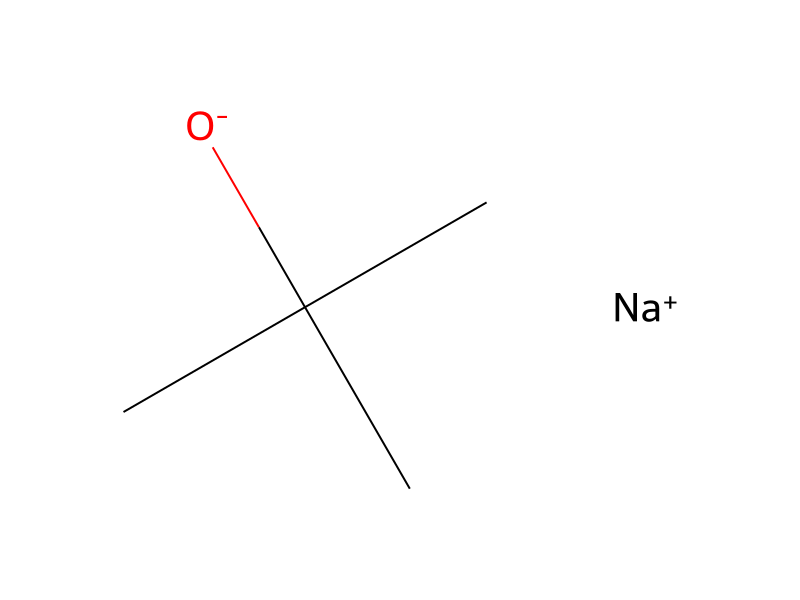
[NH:1]1[CH2:5][CH2:4][CH2:3][CH2:2]1.CC(C)([O-])C.[Na+].Br[C:13]1[CH:14]=[N:15][CH:16]=[CH:17][CH:18]=1>C1(C)C=CC=CC=1.C(OCC)(=O)C.C1C=CC(/C=C/C(/C=C/C2C=CC=CC=2)=O)=CC=1.C1C=CC(/C=C/C(/C=C/C2C=CC=CC=2)=O)=CC=1.C1C=CC(/C=C/C(/C=C/C2C=CC=CC=2)=O)=CC=1.[Pd].[Pd].C1C=C2C=CC(O)=C(C3C4C(=CC=CC=4)C=CC=3O)C2=CC=1>[N:15]1[CH:16]=[CH:17][CH:18]=[CH:13][C:14]=1[N:1]1[CH2:5][CH2:4][CH2:3][CH2:2]1Participants
8
Reactant 3
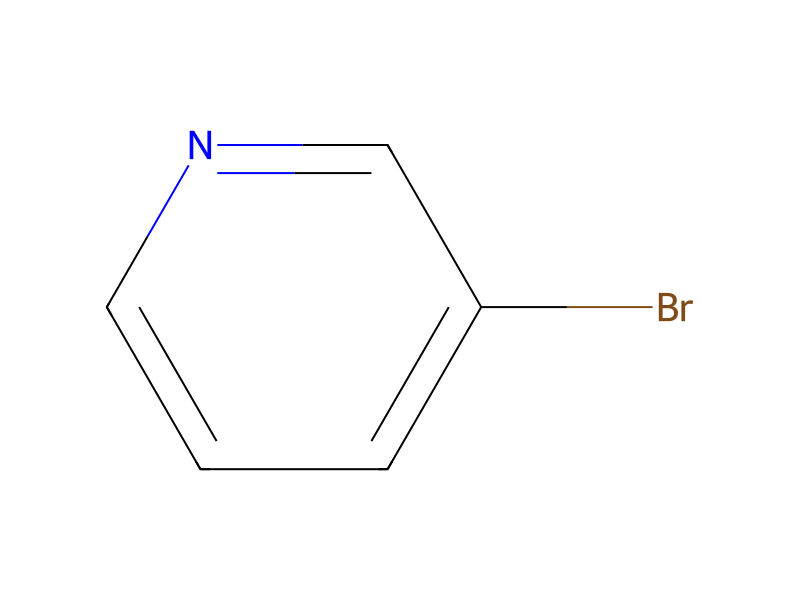

Product 1

Reagents, catalysts & solvents 4




Conditions
- Temperature
- 80 °C
Procedure
To a stirred solution of free pyrrolidine (79.3 mg; 0.22 mmol) and sodium t-butoxide (29 mg; 0.31 mmol) in dry toluene (3 mL) was added, sequentially, 3-bromopyridine (22.9 μL; 0.24 mmol), tris-(dibenzylideneacetone)dipalladium (0)(3.9 mg; cat.), and (R)-(+)-1,1′-bi-2-naphthol (5.4 mg; cat.) at room temperature under a nitrogen atmosphere. The resulting mixture was heated to 80° C., held 3 hours, then allowed to cool back to room temperature. The reaction then was diluted with ethyl acetate (40 mL), washed with brine, dried over Na2SO4, filtered, and concentrated in vacuo. The residue was purified via flash chromatography on silica gel (40% ethyl acetate in hexanes) to provide the N-pyridyl pyrrolidine (72.1 mg; 75%).
Workup
- customat room temperature
- temperatureto cool back to room temperature
- customThe reaction
- washwashed with brine
- dry with materialdried over Na2SO4
- filtrationfiltered
- concentrationconcentrated in vacuo
- customThe residue was purified via flash chromatography on silica gel (40% ethyl acetate in hexanes)
Sources & evidence
- ORD record
- ord-5b6752b47faa48efb4419f73c89f9a8f
- Source dataset
- uspto-grants-2002_10
- Patent number
- US06458787B1
Reaction notes
Loading…