1,2-Dichloroethane → HCID 22892021, compound
Reaction equation

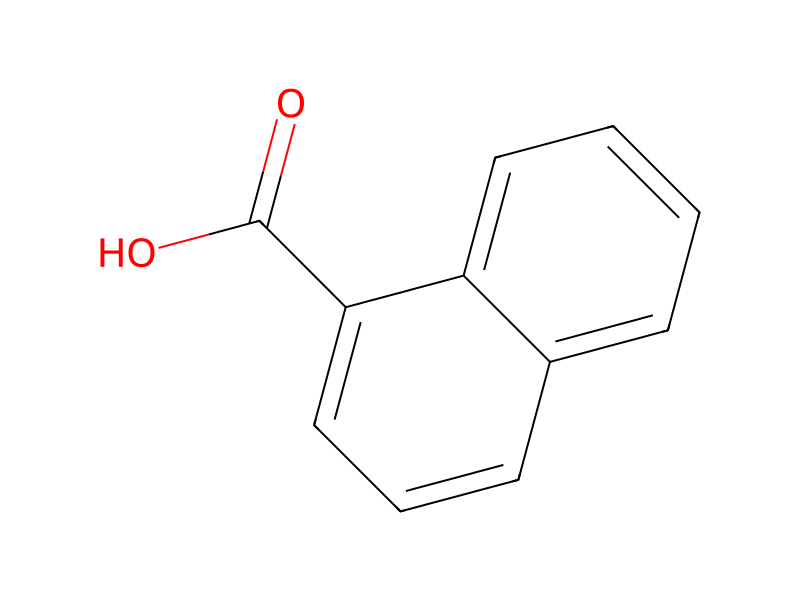
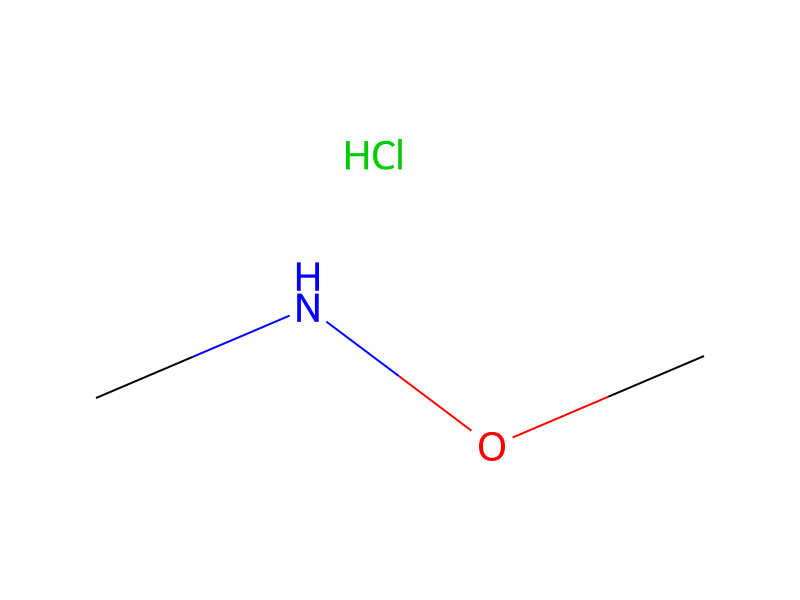
[C:1]1([C:11]([OH:13])=O)[C:10]2[C:5](=[CH:6][CH:7]=[CH:8][CH:9]=2)[CH:4]=[CH:3][CH:2]=1.C(Cl)CCl.C(N(CC)CC)C.C1C=CC2N(O)N=NC=2C=1.Cl.[CH3:36][NH:37][O:38][CH3:39]>CN(C)C=O>[CH3:36][N:37]([C:11]([C:1]1[C:10]2[C:5](=[CH:6][CH:7]=[CH:8][CH:9]=2)[CH:4]=[CH:3][CH:2]=1)=[O:13])[O:38][CH3:39]Participants





Conditions
- Temperature
- 0 °C
Procedure
3.44 g (20 mmol) of 1-naphthoic acid was dissolved in 20 ml of dimethylformamide, and then 4.6 g (24 mmol) of EDC, 2.02 g (20 mmol) of triethylamine and 3.24 g (24 mmol) of HOBT were added thereto. The resulting mixture was stirred at 0° C. for 5 minutes. To the reaction solution was added 1.85 g (20 mmol) of N,O-dimethylhydroxylamine hydrochloride, which was then stirred at room temperature for 5 hours. The solvent was removed under reduced pressure and then 100 ml of saturated potassium carbonate solution was added to the residue. The resulting solution was extracted with ethyl acetate. Then, the organic layer was washed sequentially with 1N aqueous hydrochloric acid solution, aqueous sodium chloride solution and water, dried over anhydrous sodium sulfate and concentrated to give 3.04 g (1.50 mmol) of the title compound.
Workup
- stirringwas then stirred at room temperature for 5 hours
- customThe solvent was removed under reduced pressure
- addition100 ml of saturated potassium carbonate solution was added to the residue
- extractionThe resulting solution was extracted with ethyl acetate
- washThen, the organic layer was washed sequentially with 1N aqueous hydrochloric acid solution, aqueous sodium chloride solution and water
- dry with materialdried over anhydrous sodium sulfate
- concentrationconcentrated
Sources & evidence
- ORD record
- ord-18f06a88441d4279ba0088f05eb2d795
- Source dataset
- uspto-grants-2002_10
- Patent number
- US06472526B1
Reaction notes
Loading…