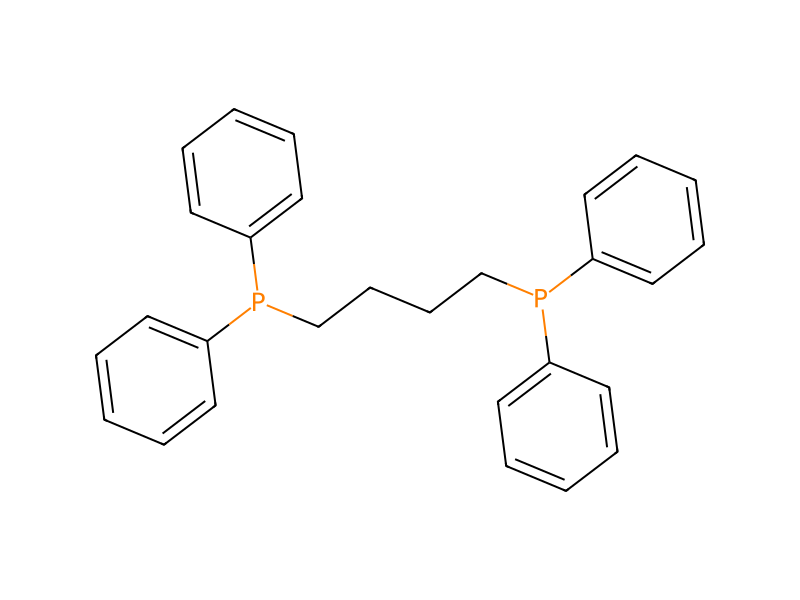
Cl[C:2]1[C:7]([NH2:8])=[CH:6][C:5]([Cl:9])=[CH:4][N:3]=1.C1(P(C2C=CC=CC=2)CCCCP(C2C=CC=CC=2)C2C=CC=CC=2)C=CC=CC=1.[C:40]([O:44][CH2:45][CH3:46])(=[O:43])[CH:41]=[CH2:42].C(N(C(C)C)CC)(C)C>[Br-].C([N+](CCCC)(CCCC)CCCC)CCC.C([O-])(=O)C.[Pd+2].C([O-])(=O)C.O.C(OCC)(=O)C.CN(C)C=O>[NH2:8][C:7]1[C:2](/[CH:42]=[CH:41]/[C:40]([O:44][CH2:45][CH3:46])=[O:43])=[N:3][CH:4]=[C:5]([Cl:9])[CH:6]=1A N,N-dimethylformamide suspension (406 ml) of 2,5-dichloropyridine-3-amine (81.2 g), palladium acetate (11.2 g), 1,4-bis(diphenylphosphino)butane (42.5 g), ethyl acrylate (109 ml), diisopropylethylamine (174 ml) and tetrabutylammonium bromide (161 g) was stirred at 140° C. for 30 hours. After the reaction solution was brought back to room temperature, ethyl acetate and water were added and the solution was separated, and the aqueous layer was extracted with ethyl acetate. The combined organic layer was dried over anhydrous sodium sulfate, and concentrated under reduced pressure. To the residue was added a 50% ethyl acetate-hexane mixed solvent, followed by stirring. The insolubles were filtered off, and washed with ethyl acetate, and the filtrate was concentrated under reduced pressure. The residue was purified by silica gel column chromatography to afford ethyl (2E)-3-(3-amino-5-chloropyridin-2-yl)acrylate (50.6 g).
Wird geladen…