Carbon Dioxide → 2-Chloro-4-fluoro-5-isothiocyanatothiobenzoic acid (methoxycarbonylmethyl) ester
Reaktionsgleichung

[CH3:1][O:2][C:3]([CH2:5][O:6][C:7](=[S:17])[C:8]1[CH:13]=[C:12]([NH2:14])[C:11]([F:15])=[CH:10][C:9]=1[Cl:16])=[O:4].C(=O)([O-])[O-].[Ca+2].[C:23](Cl)(Cl)=[S:24].C(=O)=O>ClCCl.O>[CH3:1][O:2][C:3]([CH2:5][O:6][C:7](=[S:17])[C:8]1[CH:13]=[C:12]([N:14]=[C:23]=[S:24])[C:11]([F:15])=[CH:10][C:9]=1[Cl:16])=[O:4]Komponenten
7
Edukt 4


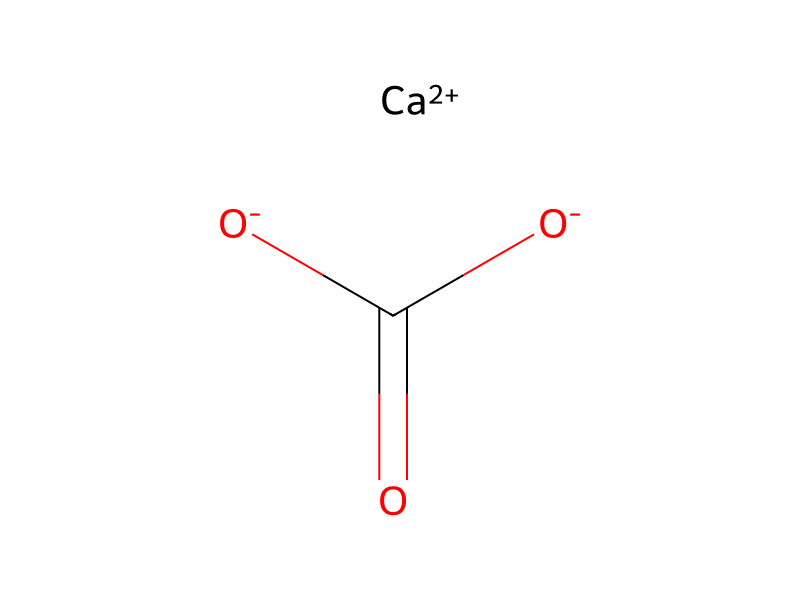

Produkt 1

Reagenzien, Katalysatoren, Lösungsmittel 2


Versuchsvorschrift
A solution of 3.8 g of the resulting 5-amino-2-chloro-4-fluorothiobenzoic acid (methoxycarbonylmethyl) ester in 100 ml of dichloromethane is added dropwise at from 25° to 30° C. to a suspension of 6 g of calcium carbonate, 4 ml of thiophosgene, 20 ml of dichloromethane and 20 ml of water. When the evolution of carbon dioxide has ceased, the batch is stirred for a further 18 hours at room temperature. After filtering and washing with water, the organic phase is separated off, dried over sodium sulfate and then concentrated by evaporation to yield 4.8 g of 2-chloro-4-fluoro-5-isothiocyanatothiobenzoic acid (methoxycarbonylmethyl) ester in the form of an oil which is used without further purification in the next reaction step.
Aufarbeitung
- filtrationAfter filtering
- washwashing with water
- customthe organic phase is separated off
- dry with materialdried over sodium sulfate
- concentrationconcentrated by evaporation
Quellen und Nachweise
- ORD-Eintrag
- ord-2b6338f223734276899fff354bb08cc9
- Quelldatensatz
- uspto-grants-1994_05
- Patentnummer
- US05310722
Notizen zur Reaktion
Wird geladen…