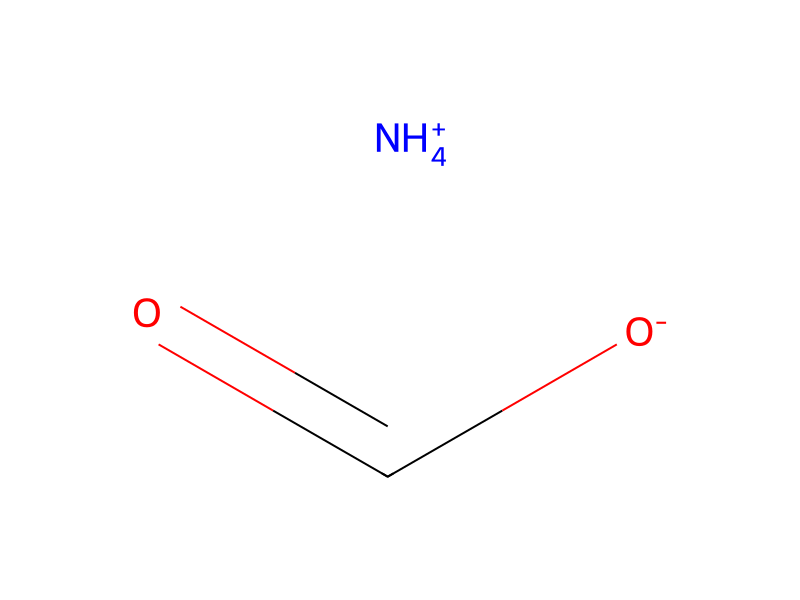
5-nitroindoline (100 mg, 0.61 mmol) was dissolved in methanol (2 ml) and tetrahydrofuran (2 ml). Ammonium formate (192mg, 3.05 mmol, 5 equivalent) and palladium/carbon (10%) in a catalytic amount were added at room temperature and refluxed at 40° C. for ten minutes. After completing the reaction, the reacting solution was filtrated through celite and concentrated under reduced pressure. Afterward, water (5 ml) was added to the residue, extracted consecutively 4 times with ethyl acetate (10 ml), dried over anhydrous magnesium sulfate, concentrated under reduced pressure and then dried completely under a high-degree vacuum. The obtained compound, namely (2,3-dihydro-1H-indole-5-yl)-amine, was dissolved in dichloromethane (5 ml). Then, trimethylamine (0.063 ml, 0.45 mmol) was added to be cooled to −20° C. and mesyl chloride (0.035 ml, 0.45 mmol) was added to be stirred for 30 minutes at the same temperature. Water (5 ml) was added to separate dichloromethane solution, dried over anhydrous magnesium sulfate, purified through a flash column chromatography (an eluent: ethyl acetate/n-hexane=2/1, v/v) and then triturated with isooctane. As a result, the present compound (60 mg, productive yield 47%) was obtained as a white solid. 1H-NMR (400 MHz, DMSO-d6) δ 2.00 (s, 3H), 3.15 (t, J=8 Hz, 2H), 3.95 (t, J=8 Hz, 2H), 7.25 (d, J=8 Hz, 1H), 7.45-7.60 (m, 4H), 7.80 (s, 1H), 7.95 (d, J=8 Hz, 1H).