Carbon Dioxide → N-(2,6-Diethyl-phenyl)-N'-tert.-butyl-thiourea
HRID 1701561
Reaktionsgleichung

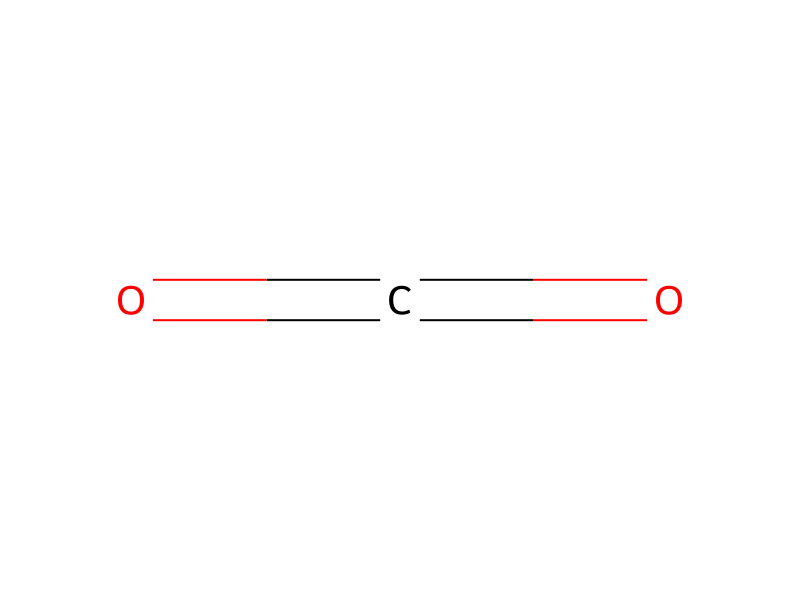
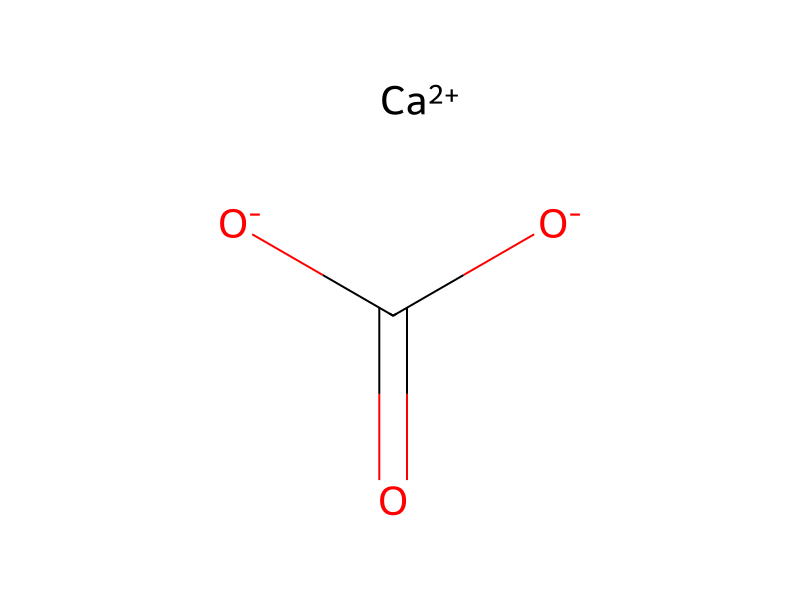
[CH2:1]([C:3]1[CH:8]=[CH:7][CH:6]=[C:5]([CH2:9][CH3:10])[C:4]=1[N:11]=[C:12]=[S:13])[CH3:2].C([C:16]1C=CC=[C:19](CC)[C:17]=1[NH2:18])C.[C:25](=O)([O-])[O-].[Ca+2].C(Cl)(Cl)=S.C(=O)=O>C(Cl)Cl.O>[CH2:1]([C:3]1[CH:8]=[CH:7][CH:6]=[C:5]([CH2:9][CH3:10])[C:4]=1[NH:11][C:12]([NH:18][C:17]([CH3:19])([CH3:25])[CH3:16])=[S:13])[CH3:2]Komponenten
8