Reaktionsgleichung

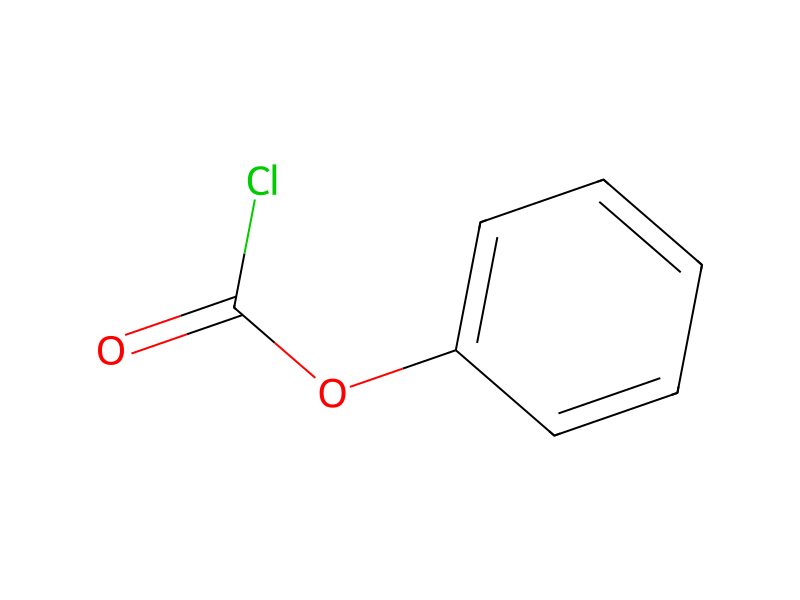
FC1C2C(=CC=CC=2)C=CC=1.[K].[CH3:13][N:14]([CH2:16][CH2:17][CH:18]([O:24][C:25]1[C:34]2[C:29](=[CH:30][CH:31]=[CH:32][CH:33]=2)[CH:28]=[CH:27][CH:26]=1)[C:19]1[S:20][CH:21]=[CH:22][CH:23]=1)C.ClC(OC1C=CC=CC=1)=O.ClC(OCC(Cl)(Cl)Cl)=O.C(=O)([O-])N>[Zn].C(O)=O>[CH3:13][NH:14][CH2:16][CH2:17][CH:18]([O:24][C:25]1[C:34]2[C:29](=[CH:30][CH:31]=[CH:32][CH:33]=2)[CH:28]=[CH:27][CH:26]=1)[C:19]1[S:20][CH:21]=[CH:22][CH:23]=1Komponenten
Edukt 6





Produkt 1

Reagenzien, Katalysatoren, Lösungsmittel 2


Versuchsvorschrift
Synthesis of duloxetine is described in detail in EP-A-273 658, EP-A-457 559 and EP-A-650965, starting from 2-acetylthiophene, an aminomethylation with dimethylamine and formaldehyde (Mannich reaction) is carried out in step-A. The 3-dimethylamino-1-(2-thienyl)-1-propanone formed is reduced to the corresponding alcohol 1-hydroxy-1-(2-thenyl)-3-dimethylaminopropane by means of complex hydrides in step B. The alcohol is then converted in step C with an alkali metal hydride and 1-fluoro-naphthalene, optionally in the presence of a potassium compound (cf. EP-A-650 965), to the naphthyl derivative, N,N-dimethyl-3-(1-naphthyloxy)-3-(2-thienyl) propylamine. In the final step D, the amino group is then demethylated by reaction with a chloroformic acid ester, preferably phenyl chloroformate or trichloroethyl chloroformate, optionally in the presence of a mixture of zinc and formic acid (EP-A-457 559), followed by alkaline hydrolysis of the carbamate to give N-methyl-3-(1-naphthyloxy)-3-(2-thienyl) propylamine.
Quellen und Nachweise
- ORD-Eintrag
- ord-b9cafa576f644e00b686694d8a453cd5
- Quelldatensatz
- uspto-grants-2013_01
- Patentnummer
- US08362279B2
Verknüpfte Notizen
Wird geladen…