StartseiteMCPWorkbenchSkills
StartseiteWorkbenchBenachrichtigungenMein Bereich
llms.txt · MCP-AnleitungDatenschutz · Nutzungsbedingungen · Supportv1.8.3
  1. Startseite
  2. /Reaktion

Benzaldehyde → 5-(4-Aminophenyl)pent-4-yn-1-ol

HRID 1871079
Drucken

Reaktionsgleichung

Reaktionsgleichung von HRID 1871079
Br[C:2]1[CH:8]=[CH:7][C:5]([NH2:6])=[CH:4][CH:3]=1.[CH:9](=[O:16])[C:10]1C=C[CH:13]=[CH:12][CH:11]=1.C(O)(=O)C1C=CC=CC=1.C(O)CCC#C>C(N(CC)CC)C.Cl[Pd]Cl.[Cu]I.O>[NH2:6][C:5]1[CH:7]=[CH:8][C:2]([C:13]#[C:12][CH2:11][CH2:10][CH2:9][OH:16])=[CH:3][CH:4]=1
KomponentenReaktionsbedingungenVersuchsvorschriftAufarbeitungQuellen und NachweiseNotizen zur Reaktion

Komponenten

9

Edukt 4

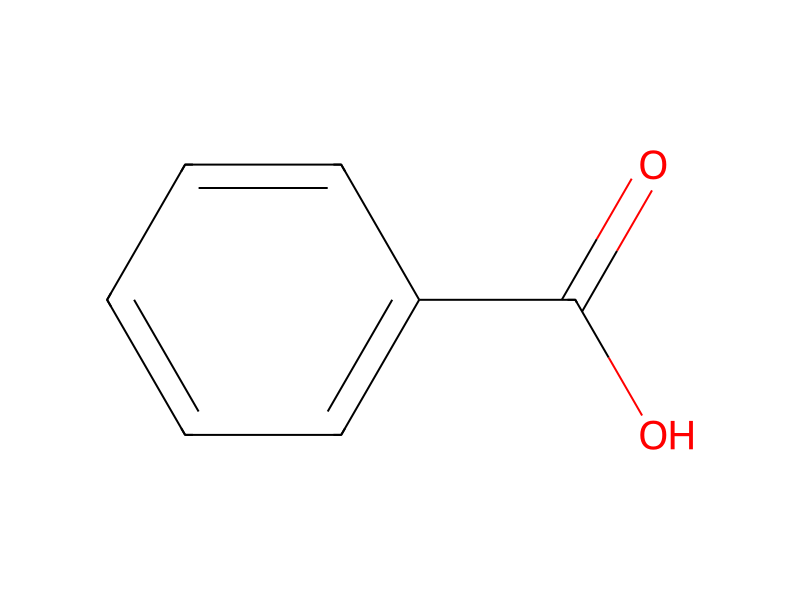
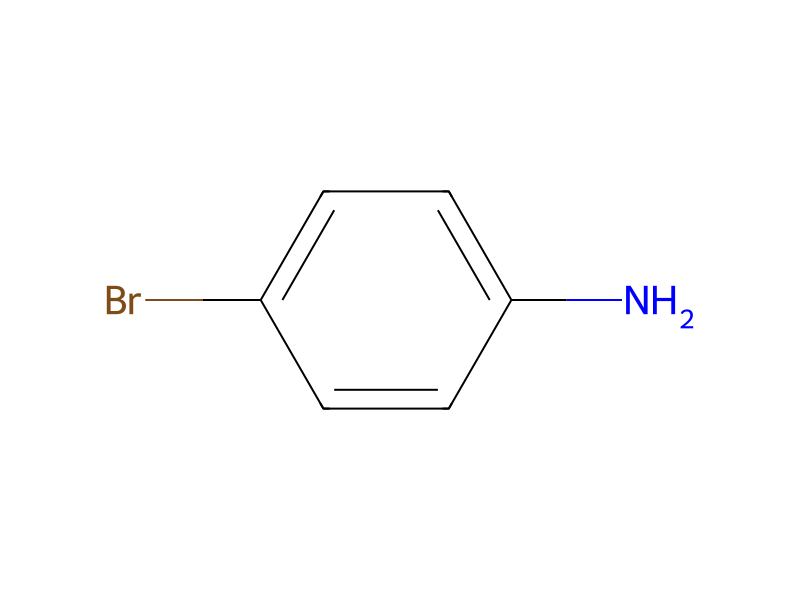
HCID 240BenzaldehydeHCID 243Benzoic AcidHCID 78074-BromoanilineHCID 793464-Pentyn-1-ol

Produkt 1

HCID 155153155-(4-Aminophenyl)pent-4-yn-1-olAusbeute 130,1 %

Reagenzien, Katalysatoren, Lösungsmittel 4

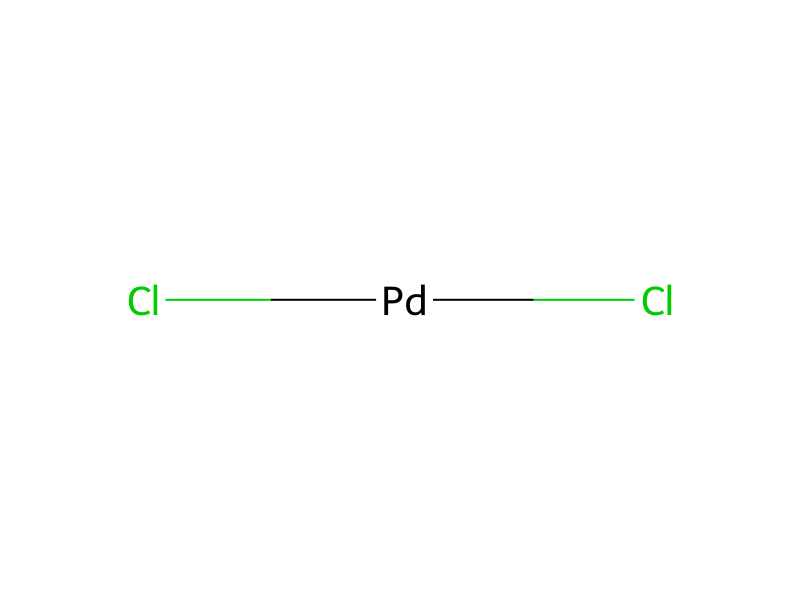
HCID 24290
Palladium Chloride
Katalysator
HCID 24350Copper(1+) iodide; Copper(I) iodide; Cuprous iodide; Cuprous iodide (CuI)Katalysator
HCID 962WaterLösungsmittel
HCID 8471TriethylamineLösungsmittel2×

Reaktionsbedingungen

Temperatur
50 °C

Versuchsvorschrift

A mixture of 4-bromo-aniline (1.72 g, 10 mmol), benzaldehyde (0.27 g, 2.5 mmol), benzoic acid (0.05 g, 0.4 mmol), PdCl2 (2 mg) and triethylamine (3.5 g) was deaerated by bubbling nitrogen and then heated to reflux for 45 min. Thin-layer chromatography showed the formation of N-benzylidene 4-aminophenylbromide). The reaction mixture was cooled to 50° C. and treated with triphenylphosphine (73 mg in 1 g of triethylamine) followed by a slurry of CuI (20 mg) and 4-pentyn-1-ol (1.1 g, 13 mmol). This reaction mixture was heated at reflux for 10 hr. The mixture was cooled and diluted with triethylamine (5 mL) and treated with water (6 mL). The aqueous layer was separated and the triethylamine layer was concentrated under vacuum. Toluene was added and the mixture again concentrated. Then aqueous HCl (10 mL, 7%) was added. The resulting aqueous solution was cooled, basified with 50% NaOH, and extracted with ethyl acetate. The ethyl acetate extract was evaporated under vacuum and the residue was flash chromatographed (20% ethyl acetate-dichloromethane, silica) to yield 0.57 g of 5-(4-aminophenyl)-4-pentyn-1-ol as an oil.

Aufarbeitung

  1. customby bubbling nitrogen
  2. temperatureheated
  3. temperatureto reflux for 45 min
  4. additiontreated with triphenylphosphine (73 mg in 1 g of triethylamine)
  5. temperatureThis reaction mixture was heated
  6. temperatureat reflux for 10 hr
  7. temperatureThe mixture was cooled
  8. customThe aqueous layer was separated
  9. concentrationthe triethylamine layer was concentrated under vacuum
  10. additionToluene was added
  11. concentrationthe mixture again concentrated
  12. additionThen aqueous HCl (10 mL, 7%) was added
  13. temperatureThe resulting aqueous solution was cooled
  14. extractionextracted with ethyl acetate
  15. extractionThe ethyl acetate extract
  16. customwas evaporated under vacuum
  17. customchromatographed (20% ethyl acetate-dichloromethane, silica)

Quellen und Nachweise

ORD-Eintrag
ord-f63bfd41ff5d414c961f10e394aefa25
Quelldatensatz
uspto-grants-2000_08
DOI
10.6084/m9.figshare.5104873.v1
Patentnummer
US06100429

Notizen zur Reaktion

Auf dieser SeiteKomponentenReaktionsbedingungenVersuchsvorschriftAufarbeitungQuellen und NachweiseNotizen zur Reaktion