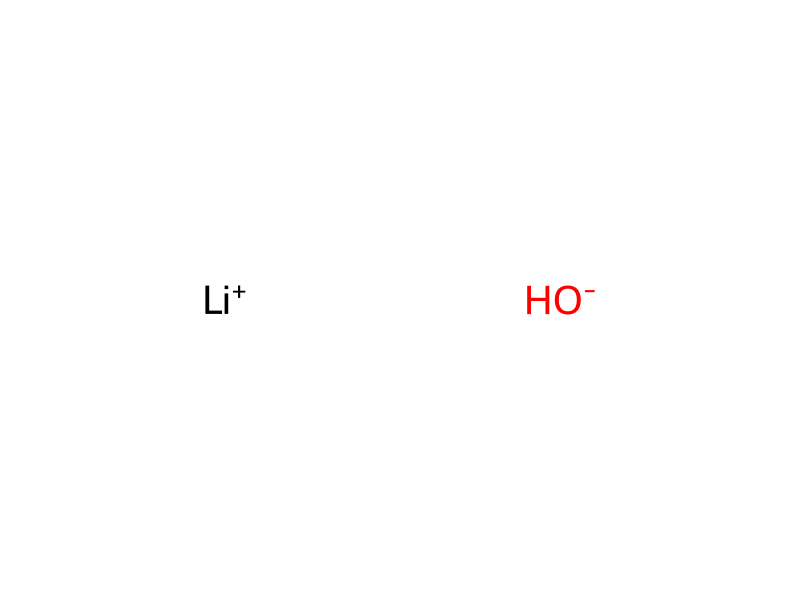
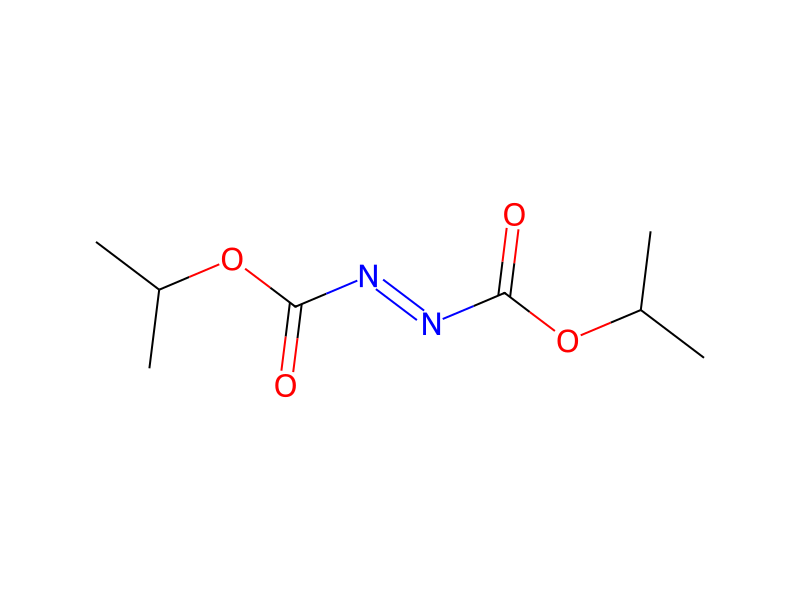
CC(OC(/N=N/C(OC(C)C)=O)=O)C.[N+](C1C=CC(C(O)=O)=CC=1)([O-])=O.[F:27][C:28]1[C:33]([F:34])=[CH:32][CH:31]=[CH:30][C:29]=1[C@@H:35]1[CH2:45][CH2:44][C@@H:43]([OH:46])[C:38]2=[N:39][CH:40]=[CH:41][CH:42]=[C:37]2[C@H:36]1[NH:47][C:48](=[O:54])[O:49][C:50]([CH3:53])([CH3:52])[CH3:51].[OH-].[Li+]>O.O1CCCC1>[F:27][C:28]1[C:33]([F:34])=[CH:32][CH:31]=[CH:30][C:29]=1[C@@H:35]1[CH2:45][CH2:44][C@H:43]([OH:46])[C:38]2=[N:39][CH:40]=[CH:41][CH:42]=[C:37]2[C@H:36]1[NH:47][C:48](=[O:54])[O:49][C:50]([CH3:52])([CH3:51])[CH3:53]DIAD (0.356 mL, 1.833 mmol) was added to a tetrahydrofuran (5 mL) solution of 4-nitrobenzoic acid (0.306 g, 1.833 mmol), tert-butyl (5S,6S,9R)-6-(2,3-difluorophenyl)-9-hydroxy-6,7,8,9-tetrahydro-5H-cyclohepta[b]pyridin-5-ylcarbamate (0.3578 g, 0.916 mmol) at 0° C. The reaction was stirred overnight while it was gradually warmed up to room temperature. Lithium hydroxide (0.110 g, 4.58 mmol) in 10 mL water was added to the reaction mixture. The reaction was stirred at room temperature for 5 h. Volatile components were removed via vacuum and the crude residue was partitioned between ethyl acetate and water. The ethyl acetate layer was washed two more times by water before dried (sodium sulfate), filtered and concentrated. The crude was purified by flash chromatography eluting with ethyl acetate in hexane from 0 to 100%. The product was contaminated with some triphenyl phosphine oxide but was carried on to the next step without further purification: MS(ESI)[M+H+]=391.15.