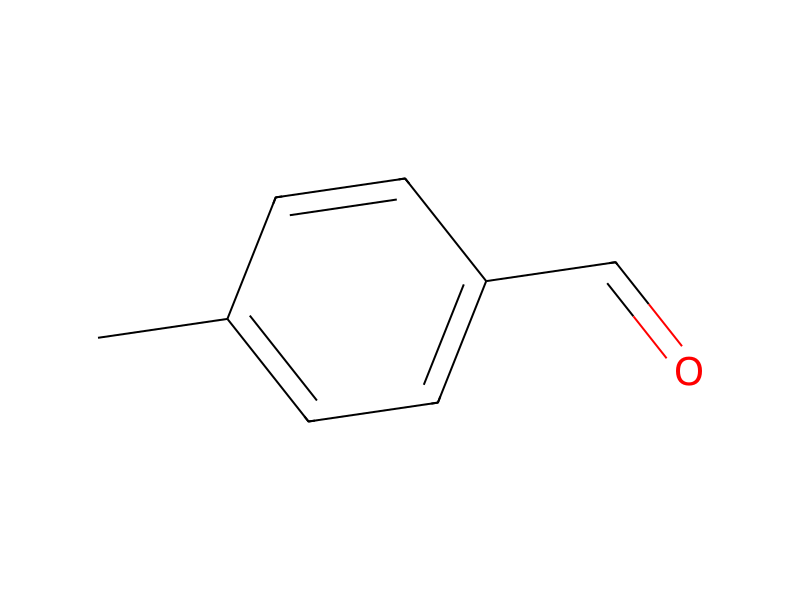
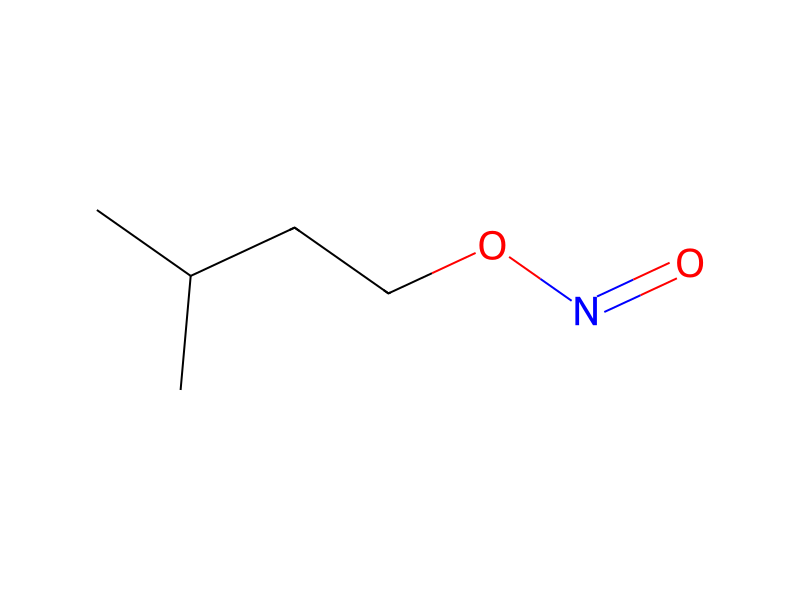
Diethyl ketone is reacted with isoamyl nitrite and HCl in diethyl ether, resulting in pentane-2,3-dione 2-oxime (G. Buechi, J. Galindo, J.Org.Chem. (1991) 56(8), 2605-2606). The latter is reacted with p-methylbenzaldehyde and HCl in acetic acid to give 5-ethyl-4-methyl-2-p-tolyloxazole 3-oxide (P. M. Weintraub, J. Med. Chem. (1972) 15(4), 419-420). Boiling this compound with phosphoryl chloride in chloroform results in 4-chloromethyl-5-ethyl-2-p-tolyloxazole (M. S. Malamas, R. P. Carlson, D. Grimes, R. Howell, K. Glaser, I. Gunawan, J. A. Nelson, M. Kanzelberger, U. Shah, D. A. Hartman, J. Med. Chem. (1996) 39(1), 237-245). This compound is heated with sodium iodide in acetone under reflux, resulting in 5-ethyl-4-iodomethyl-2-p-tolyloxazole (A., Zlatkov, P., Peikov, J., Rodriguez-Alvarez, N., Danchev, I., Nikolova, J., Mitkov, Eur.J.Med.Chem.Chim.Ther. (2000) 35(10), 941-948).