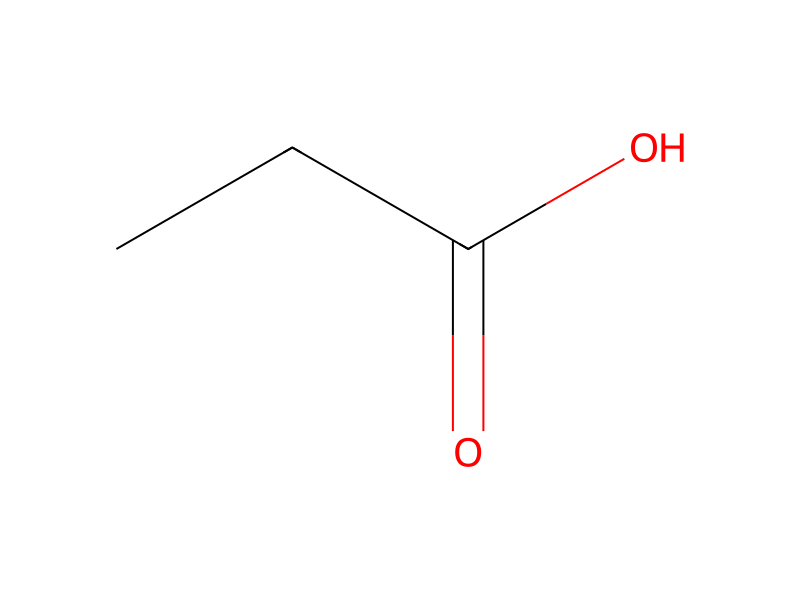
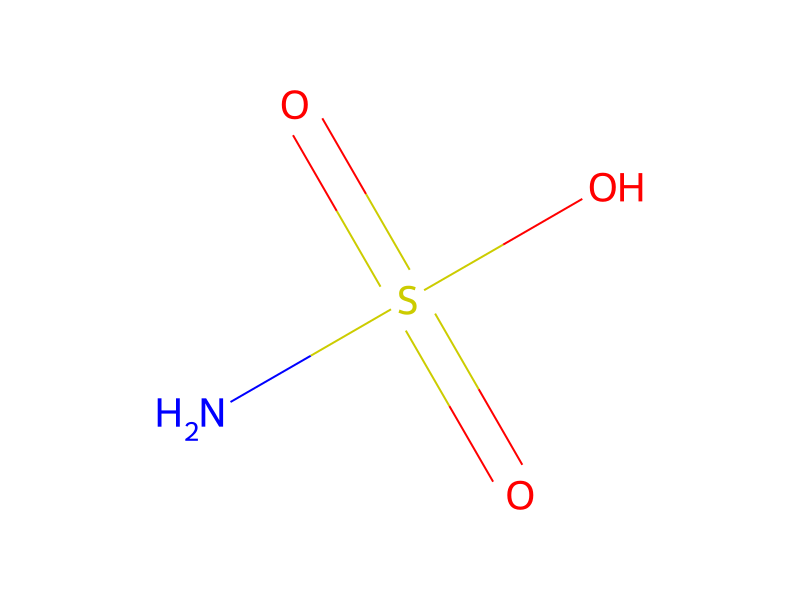
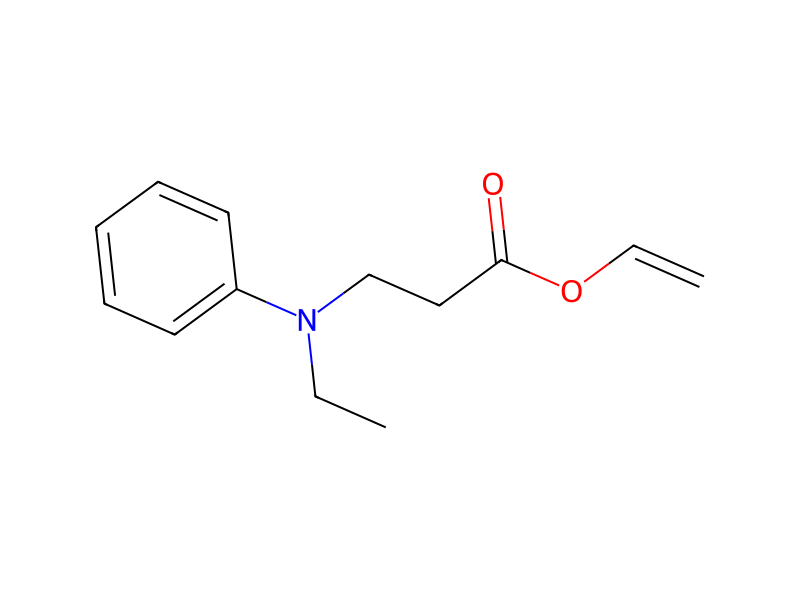
5.2 parts of 2-chloro-4-nitroaniline, 20 parts of propionic acid and 30 parts of acetic acid were charged and cooled to 5° C. 11.4 parts of 40% (w/w) nitrosyl sulfuric acid were added, whilst the temperature was held below 10° C. The diazotization mixture was stirred for a further 2 hrs at 5-10° C. To a separate vessel were charged 6.5 parts of 3-(ethyl-phenyl-amino)-propionic acid vinyl ester, 100 parts of methanol, 1 part sulfamic acid and 100 parts of ice. With stirring, the diazotization mixture was slowly added followed by a further 300 parts of ice. The reaction mixture was stirred over night and the product was isolated by filtration, washed with water and dried to yield 9.9 parts of 3-{[4-(2-chloro-4-nitrophenylazo)-phenyl]-ethyl-amino}-propionic acid vinyl ester. λmax=510 nm (DMF).