Reaktionsgleichung

Cl[C:2]1[C:15]2[C:14](=[O:16])[C:13]3[C:8](=[CH:9][CH:10]=[CH:11][CH:12]=3)[C:7](=[O:17])[C:6]=2[C:5]([OH:18])=[CH:4][CH:3]=1.C1(C2C=CC(N)=CC=2)CCCCC1.C([O-])(=O)C.[Na+]>[N+](C1C=CC=CC=1)([O-])=O.C([O-])(=O)C.[Cu+2].C([O-])(=O)C>[OH:18][C:5]1[C:6]2[C:7](=[O:17])[C:8]3[C:13](=[CH:12][CH:11]=[CH:10][CH:9]=3)[C:14](=[O:16])[C:15]=2[CH:2]=[CH:3][CH:4]=1Komponenten
6
Edukt 3
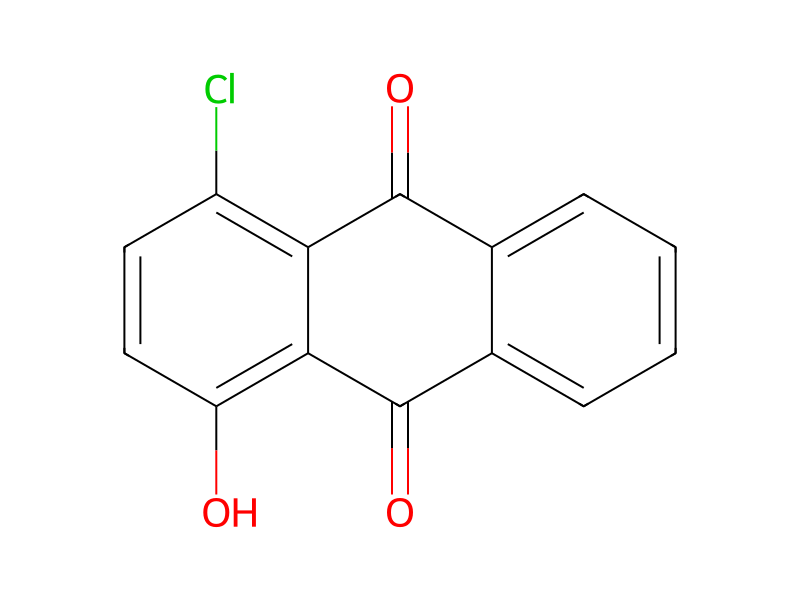


Produkt 1
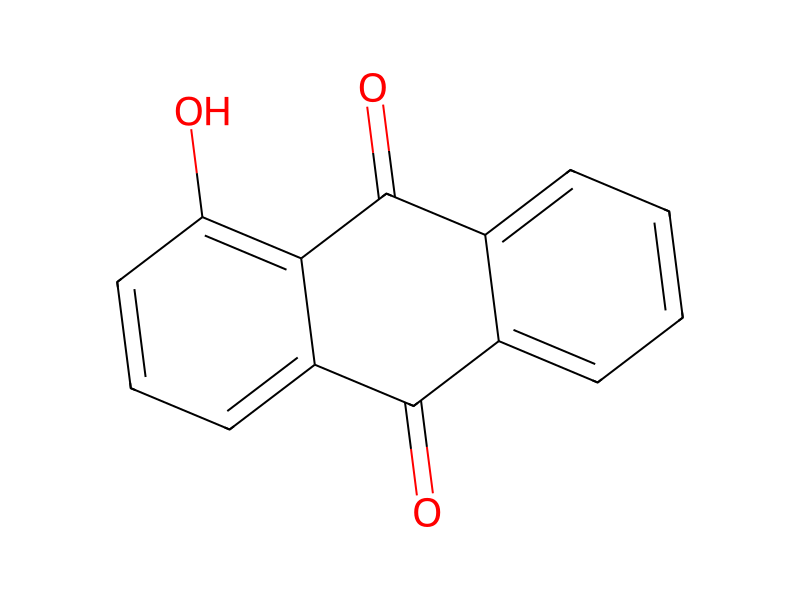
Reagenzien, Katalysatoren, Lösungsmittel 2

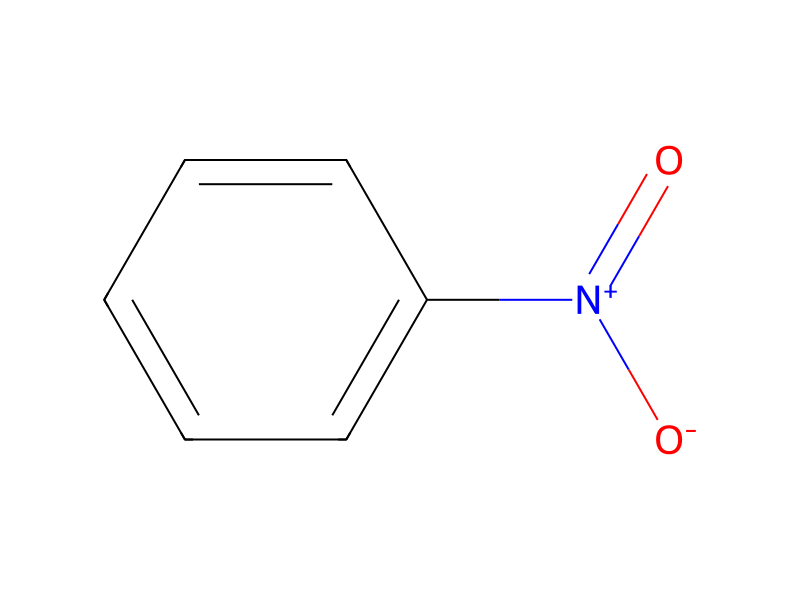
Versuchsvorschrift
The pleochroic dye 1-cyclohexylphenylamino, 4-hydroxyanthraquinone was prepared by combining equimolar quantities of 1-chloro-4-hydroxy anthraquinone and 4-cyclohexylaniline and heating in the presence of a catalytic amount of copper acetate (0.1 g/0.1 mole) and sodium acetate (10 g/0.1 mole) in nitrobenzene. The reaction was run and the dye separated and tested as in Example 70. The dye had an absorption maxima at 594 nm and an optical order parameter of 0.75.
Aufarbeitung
- customthe dye separated
Quellen und Nachweise
- ORD-Eintrag
- ord-4036e1c133394fe891b76e93ce871235
- Quelldatensatz
- uspto-grants-1987_10
- Patentnummer
- US04702561
Verknüpfte Notizen
Wird geladen…