Reaktionsgleichung

[C:1]1([CH3:8])[C:6]([OH:7])=[CH:5][CH:4]=[CH:3][CH:2]=1.[C:9]1(=[O:15])[CH2:14][CH2:13][CH2:12][CH2:11][CH2:10]1.Cl[Si](C)(C)[CH3:18].[CH2:21](S)[CH2:22][CH2:23][CH3:24].Cl[CH2:27][CH2:28]Cl>C(Cl)Cl.C1CCCCC1>[CH3:8][C:1]1[CH:2]=[C:3]([C:21]2([C:12]3[CH:13]=[CH:14][C:9]([OH:15])=[C:10]([CH3:18])[CH:11]=3)[CH2:28][CH2:27][CH2:24][CH2:23][CH2:22]2)[CH:4]=[CH:5][C:6]=1[OH:7]Komponenten
Edukt 5

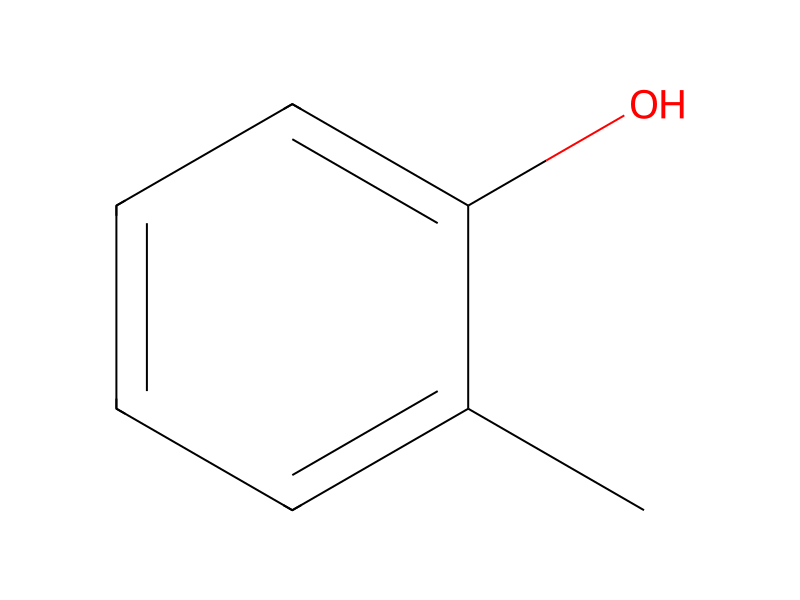


Produkt 1

Reagenzien, Katalysatoren, Lösungsmittel 2


Versuchsvorschrift
The preparation of the above cyclohexane was accomplished by repeating the procedure of Example I with the exception that o-cresol was employed in place of phenol. In addition, the preparation was affected in a 250-milliliter 3-necked round-bottomed flask with 0.2 mole of cyclohexanone, and without 1,2-dichloroethane as a solvent. Additionally, 108 grams of o-cresol, 22 grams of chlorotrimethyl silane, and 0.1 gram of butanethiol were employed. The reaction mixture was worked up by filtering it hot after the reaction, followed by slurrying up the filter cake in methylene chloride, filtering and washing several times with methylene chloride. There was obtained the cyclohexane product in a 76 percent yield after drying in vacuo at 80° C. for 12 hours, which product had a melting point of 190° to 191° C.
Aufarbeitung
- filtrationby filtering it
- customhot after the reaction
- filtrationfiltering
- washwashing several times with methylene chloride
- customThere was obtained the cyclohexane product in a 76 percent yield
- customafter drying in vacuo at 80° C. for 12 hours
Quellen und Nachweise
- ORD-Eintrag
- ord-67f58ef83fb54c28be9b4493e5d1da62
- Quelldatensatz
- uspto-grants-1988_08
- Patentnummer
- US04766255
Verknüpfte Notizen
Wird geladen…