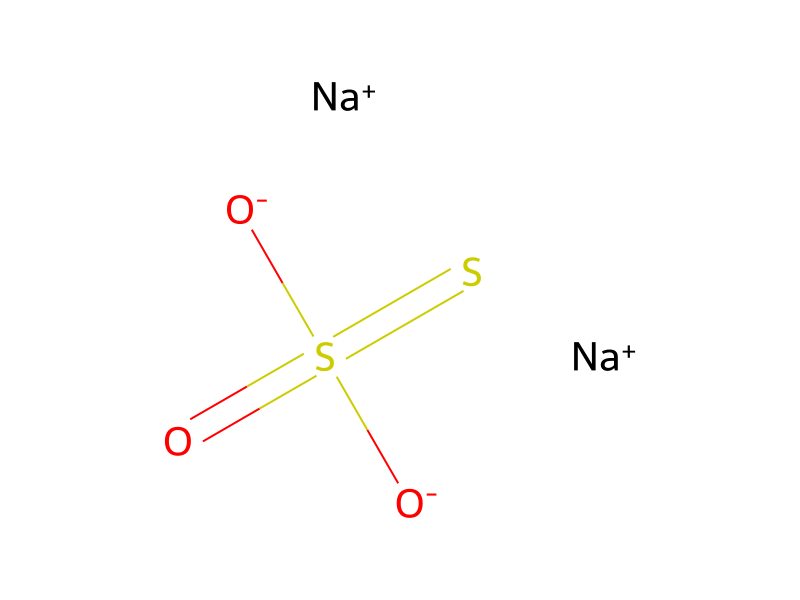
[OH:1][C:2]1[CH:9]=[CH:8][C:7]([O:10][CH3:11])=[CH:6][C:3]=1[CH:4]=[O:5].C([O-])(=O)C.[Na+].[Br:17]Br.S([O-])([O-])(=O)=S.[Na+].[Na+]>C(O)(=O)C>[Br:17][C:9]1[C:2]([OH:1])=[C:3]([CH:6]=[C:7]([O:10][CH3:11])[CH:8]=1)[CH:4]=[O:5]To 2-hydroxy-5-methoxybenzaldehyde (4.1 mL, 32.86 mmol) in acetic acid (150 mL) were added sodium acetate (4.0 g, 49.3 mmol) and bromine (2.2 mL, 42.7 mmol) and the mixture was stirred at rt for 2 h. Aqueous sodium thiosulfate was added and the mixture was concentrated by rotary evaporation. The solid was dissolved in dichloromethane and washed with water. The organic phase was separated, dried over MgSO4, filtered and the solvent removed by rotary evaporation. The solid residue was recrystallized from ethanol to yield 3-bromo-2-hydroxy-5-methoxybenzaldehyde (4.55 g, 60%).