Reaktionsgleichung

[CH2:1]([C:3]([CH2:5][CH3:6])=[O:4])[CH3:2].[N:7](OCCC(C)C)=[O:8].Cl.[CH3:16][C:17]1[CH:24]=[CH:23][C:20]([CH:21]=O)=[CH:19][CH:18]=1>C(OCC)C.CC(=NO)C(=O)CC.C(O)(=O)C>[CH2:1]([C:3]1[O:4][C:21]([C:20]2[CH:23]=[CH:24][C:17]([CH3:16])=[CH:18][CH:19]=2)=[N+:7]([O-:8])[C:5]=1[CH3:6])[CH3:2]Komponenten
Edukt 4


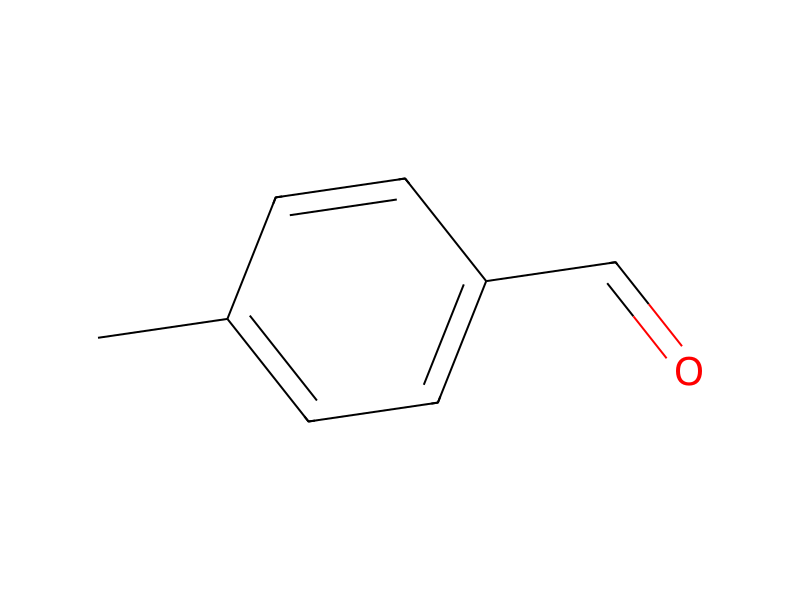
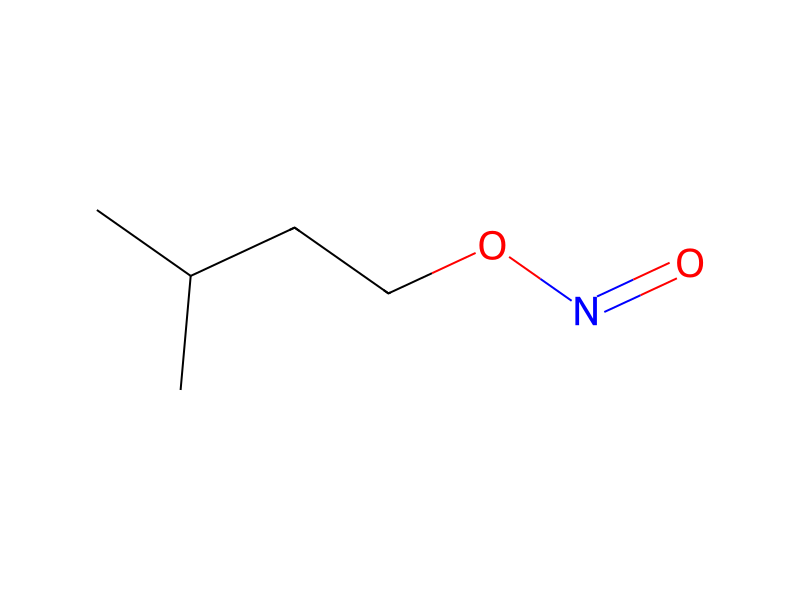
Produkt 1

Reagenzien, Katalysatoren, Lösungsmittel 3



Versuchsvorschrift
Diethyl ketone is reacted with isoamyl nitrite and HCl in diethyl ether, resulting in pentane-2,3-dione 2-oxime (G. Buechi, J. Galindo, J. Org. Chem. (1991) 56(8), 2605-2606). The latter is reacted with p-methylbenzaldehyde and HCl in acetic acid to give 5-ethyl-4-methyl-2-p-tolyloxazole 3-oxide (P. M. Weintraub, J. Med. Chem. (1972) 15(4), 419-420). Boiling this compound with phosphoryl chloride in chloroform results in 4-chloromethyl-5-ethyl-2-p-tolyloxazole (M. S. Malamas, R. P. Carlson, D. Grimes, R. Howell, K. Glaser, I. Gunawan, J. A. Nelson, M. Kanzelberger, U. Shah, D. A. Hartman, J. Med. Chem. (1996) 39(1), 237-245). This compound is heated with sodium iodide in acetone under reflux, resulting in 5-ethyl-4-iodomethyl-2-p-olyloxazole (A., Ziatkov, P., Peikov, J., Rodriguez-Alvarez, N., Danchev, I., Nikolova, J., Mitkov, Eur. J. Med. Chem. Chim. Ther. (2000) 35(10), 941-948). These are also incorporated herein by reference
Quellen und Nachweise
- ORD-Eintrag
- ord-c5326a8516db41639dda6344f5411871
- Quelldatensatz
- uspto-grants-2009_05
- Patentnummer
- US07538131B2
Verknüpfte Notizen
Wird geladen…