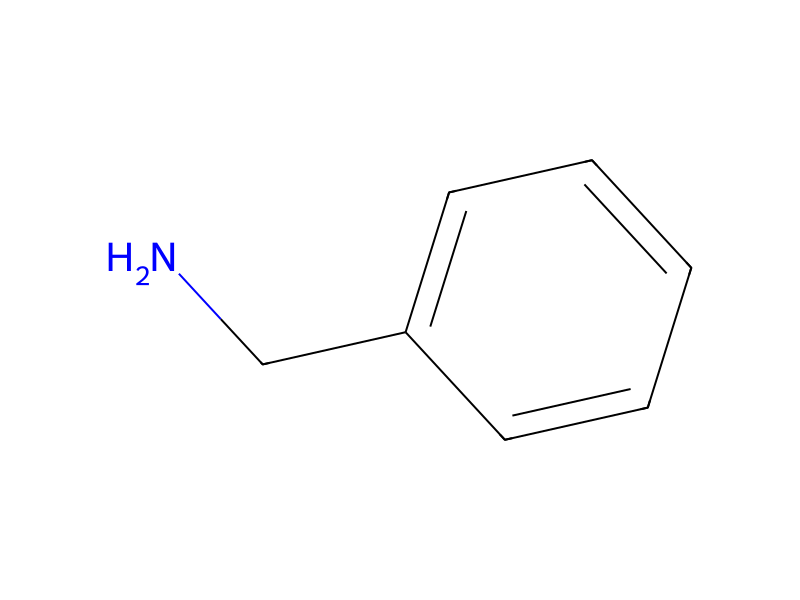
4-hydroxy-4-(trifluoromethyl)cyclohexanone (570 mg, 3.13 mmol) was dissolved in 1,2-dichloroethane (20 ml), followed by sequential addition of benzylamine (0.38 ml, 3.44 mmol), NaBH(OAc)3 (1.06 g, 5.01 mmol), and acetic acid (0.18 ml, 3.13 mmol), and then the resulting mixture was stirred at room temperature under nitrogen stream for 13 hours. The resulting reaction liquid was neutralized by addition of 10% aqueous NaOH solution, and extracted with 5% MeOH/MC (20 ml×3). The organic layer was dried over anhydrous sodium sulfate, and then filtered, concentrated under reduced pressure, and dried under vacuum. The residue thus obtained was dissolved in EtOH (20 ml), followed by addition of Pd (10 wt % on activated carbon, 80 mg), and then the resulting mixture was stirred at room temperature under hydrogen stream for 15 hours. The resulting reaction liquid was filtered, concentrated under reduced pressure, and dried under vacuum, to obtain 471 mg of yellow solid (82%).