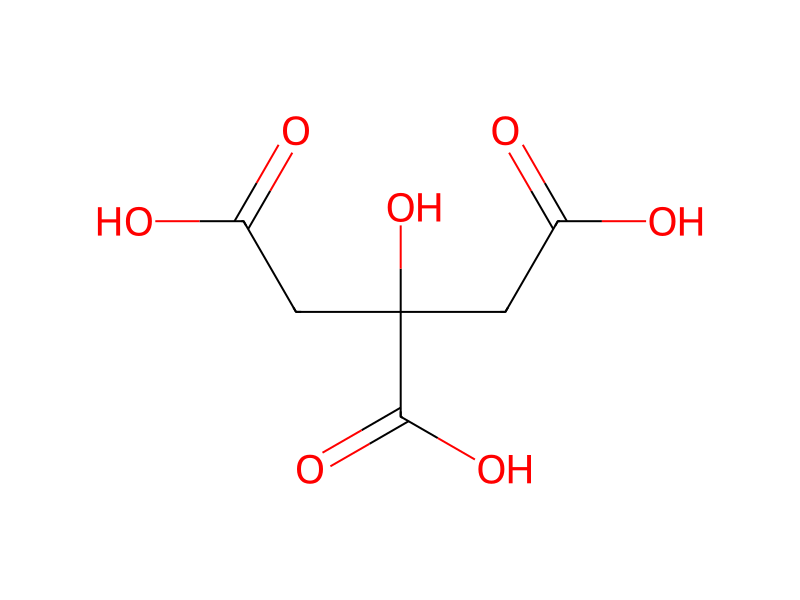
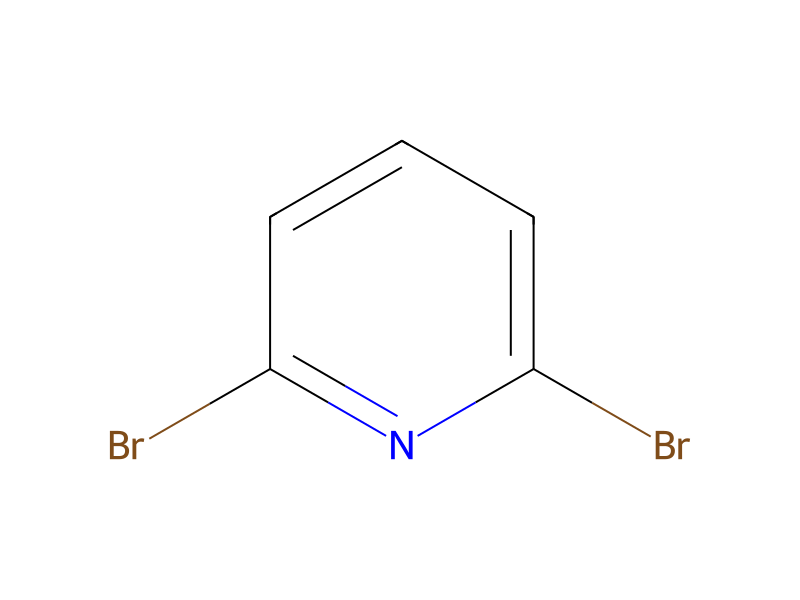
6-Bromo-pyridine-2-carbaldehyde. To a −10° C. solution of n-BuLi (2.5 M in hexane, 5.6 mL, 14 mmol) in anhydrous toluene (20 mL) was added a solution of n-BuMgCl (2 M in THF, 3.5 mL) over 20 min, maintaining the temperature between −10° C. and 0° C. The mixture was stirred at −10° C. for 30 min. A solution of 2,6-dibromo-pyridine (4.74 g, 20 mmol) in toluene (20 mL) was added drop-wise over a period of 30 min while keeping the temperature below −5° C. The resulting suspension was stirred at −10° C. for 2.5 h. The mixture was transferred via cannula to a −10° C. solution of DMF (1.9 g, 26 mmol) in toluene (10 mL). The solution was allowed to stand between −5° C. and −10° C. for 30 min and then was transferred into a solution of citric acid (8.00 g) in H2O (15 mL), maintaining the temperature below 20° C. The resulting solution was stirred for 10 min and the layers were separated. The organic layer was dried over Na2SO4, filtered, and concentrated. The residue was purified (SiO2: 10% ethyl acetate/hexanes) to afford the title compound (1.94 g, 52%).