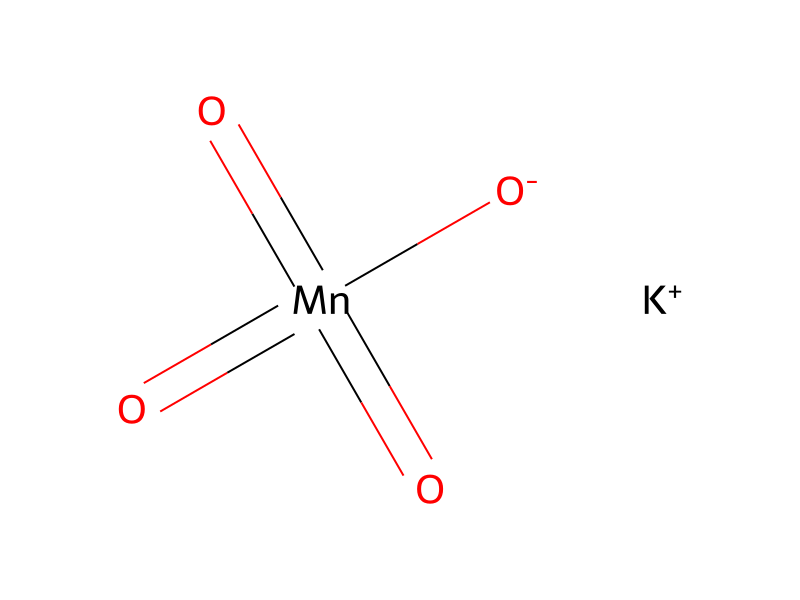
A mixture of 3-chloro-4-hydroxybenzaldehyde (0.4 g, 2.55 mmol), EtI (0.31 ml) and K2CO3 (0.421 g; 3.1 mmol) was stirred overnight at room temperature. The mixture was diluted 100 ml with H2O and extracted with EtOAc (50 ml). The organic layer was separated and dried over MgSO4 and filtered. The filtrate was evaporated to dryness to give the crude product (0.41 g, 87%) used as such in next step. 1H-NMR (CDCl3) 1.49 (tr, 3H, J=6.96 Hz); 4.18 (q, 2H, J=6.99, 13.97 Hz); 6.98 (d, 1H, J=8.49 Hz); 7.72 (dd, 1H, J=1.94, 8.46 Hz); 7.87 (d, 1H, J=1.95 Hz); 9.82 (s, 1H). The above benzaldehyde (0.4 g 2.16 mmol) was dissolved in a mixture of dioxane: H2O (30:10) and to it KMnO4 (0.341 g; 2.16 mmol) was added at room temperature and the mixture was stirred for 1 h. The solvent was evaporated and the residue was diluted to 100 ml with EtOAc and the mixture was filtered through a silica gel bead. The filtrate was evaporated to dryness to give the title compound (0.36 g, 83%), as creamy solid. 1H-NMR (DMSO-d6) 2.44 (tr, 3H, J=6.99 Hz); 5.11 (q, 2H, J=13.95 Hz); 6.96 Hz); 7.88 (d, 1H, J=8.55 Hz), 8.9 (d, 1H, J=8.55 Hz); 9.5 (m, 1H).