StartseiteMCPWorkbenchSkills
StartseiteWorkbenchBenachrichtigungenMein Bereich
llms.txt · MCP-AnleitungDatenschutz · Nutzungsbedingungen · Supportv1.8.0
  1. Startseite
  2. /Reaktion

Sodium Iodide → 5-Ethyl-5-hydroxy-1,4,5,8-tetrahydrooxepino[3,4-c]pyridine-3,9-dione

HRID 720505
Notizen
Druckvorschau

Reaktionsgleichung

Reaktionsgleichung von HRID 720505
C(O[CH2:9][C:10]1[C:11]([O:24]C)=[N:12][CH:13]=[CH:14][C:15]=1[C:16]([OH:23])([CH2:21][CH3:22])[CH2:17][C:18]([OH:20])=[O:19])C1C=CC=CC=1.C([O-])=O.[NH4+].C1(N=C=NC2CCCCC2)CCCCC1.[I-].[Na+].C[Si](Cl)(C)C>CO.C1COCC1.[Pd].O.C(#N)C>[CH2:21]([C:16]1([OH:23])[C:15]2[CH:14]=[CH:13][NH:12][C:11](=[O:24])[C:10]=2[CH2:9][O:19][C:18](=[O:20])[CH2:17]1)[CH3:22]
KomponentenReaktionsbedingungenVersuchsvorschriftAufarbeitungQuellen und NachweiseNotizen zur Reaktion

Komponenten

11

Edukt 5

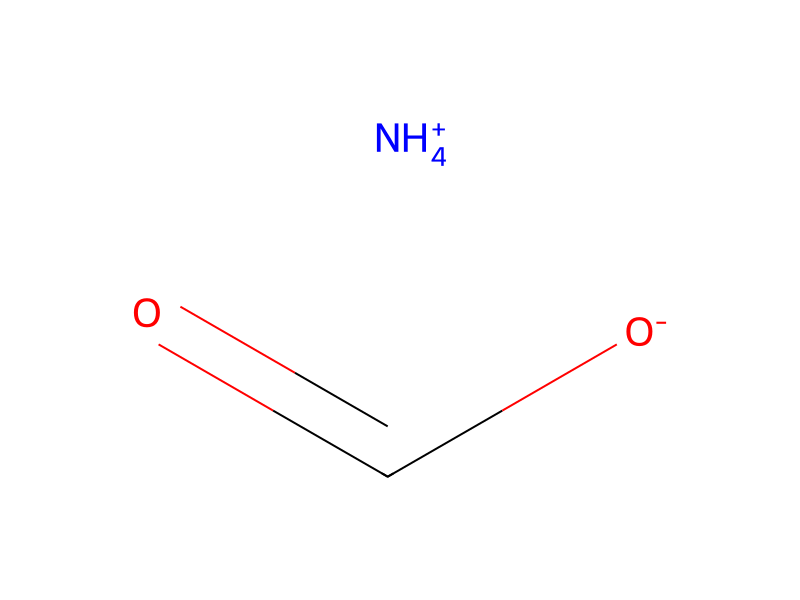
HCID 5238Sodium IodideHCID 6397ChlorotrimethylsilaneHCID 10868DicyclohexylcarbodiimideHCID 2723923Ammonium formateHCID 108313593-(3-Benzyloxymethyl-2-methoxy-4-pyridyl)-3-hydroxy-pentanoic acid

Produkt 1

HCID 10537047
5-Ethyl-5-hydroxy-1,4,5,8-tetrahydrooxepino[3,4-c]pyridine-3,9-dione
Ausbeute 48,2 %

Reagenzien, Katalysatoren, Lösungsmittel 5

HCID 23938PalladiumKatalysatorHCID 887MethanolLösungsmittel2×HCID 962WaterLösungsmittelHCID 6342AcetonitrileLösungsmittelHCID 8028TetrahydrofuranLösungsmittel2×

Reaktionsbedingungen

Temperatur
40 °C

Versuchsvorschrift

(−)-3-(3-benzyloxymethyl-2-methoxy-4-pyridyl)-3-hydroxy-pentanoic acid (13.5 g; 39 mmol; Stage 80.b) is put in solution in 87 ml of methanol. This solution is poured under nitrogen onto 10% Palladium on damp carbon at 50% (27.7 g; 13 mmol). The reaction medium is agitated for 5 minutes, then it is poured into a solution of ammonium formate (11,5 g; 183 mmol) in 135 ml of methanol. The reaction medium is agitated for 30 minutes while allowing the temperature to rise, then it is heated at 40° C. for 30 minutes. The medium is then filtered on a bed of Clarcel followed by concentrating. 40 ml of toluene is poured in which is evaporated off; this operation is repeated in order to eliminate the methanol. The residue thus obtained is taken up in 45 ml of THF. Then a solution of dicyclohexylcarbodiimide (7.180 g; 34.5 mmol) in 20 ml of THF is then poured in. The reaction medium is heated to 50° C. for 1 hour. The mixture is taken to 20° C. then the dicyclohexylurea is filtered. The filtrate is concentrated to dryness. The residue is put in solution in 46 ml of acetonitrile, 6.0 g (40.5 mmol.) of sodium iodide then 5.13 ml (40.5 mmol) of trimethylsilyl chloride are added. The reaction medium is maintained under agitation at ambient temperatue for 5 hours. Then 28 ml of acetonitrile and 5.6 ml of water are added. The precipitate obtained is filtered then taken up in 1 ml of water, and the pH is adjusted to 7.5 by the addition of a solution of ammonium hydroxide. The solid obtained is filtered and dried. M=4.2 g of final product is obtained with a yield of 34% and a (+) enantiomer/(−) enantiomer proportion of 88.4/11.6.


Aufarbeitung

  1. stirringThe reaction medium is agitated for 30 minutes
  2. filtrationThe medium is then filtered on a bed of Clarcel
  3. concentrationby concentrating
  4. addition40 ml of toluene is poured in which
  5. customis evaporated off
  6. customThe residue thus obtained
  7. temperatureThe reaction medium is heated to 50° C. for 1 hour
  8. customis taken to 20° C.
  9. filtrationthe dicyclohexylurea is filtered
  10. concentrationThe filtrate is concentrated to dryness
  11. temperatureThe reaction medium is maintained under agitation at ambient temperatue for 5 hours
  12. customThe precipitate obtained
  13. filtrationis filtered
  14. additionthe pH is adjusted to 7.5 by the addition of a solution of ammonium hydroxide
  15. customThe solid obtained
  16. filtrationis filtered
  17. customdried

Quellen und Nachweise

ORD-Eintrag
ord-585385a5be874a31b266392653e71cf0
Quelldatensatz
uspto-grants-2006_11
DOI
10.6084/m9.figshare.5104873.v1
Patentnummer
US07135478B2

Notizen zur Reaktion

Wird geladen…

Auf dieser SeiteKomponentenReaktionsbedingungenVersuchsvorschriftAufarbeitungQuellen und NachweiseNotizen zur Reaktion