Reaktionsgleichung

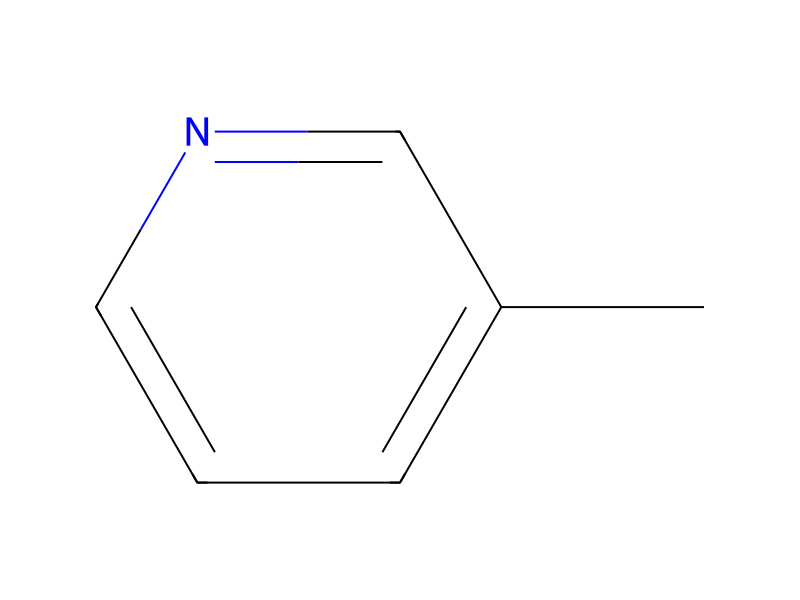
[CH:1]1[C:6](C2C=C[C:10]3[C:13]([O:15][C:16](=[O:17])[C:9]=3C=2)=[O:14])=C[C:4]2C(O[C:21](=O)[C:3]=2[CH:2]=1)=O.C1C2C(OC(=O)C=2C=C2C(OC(=O)C=12)=O)=O.CC([N:42](C)C)=O>>[C:13]([O:15][C:16](=[O:17])[CH3:9])(=[O:14])[CH3:10].[N:42]1[CH:6]=[CH:1][CH:2]=[C:3]([CH3:21])[CH:4]=1Komponenten
5



Versuchsvorschrift
Polymer was made at room temperature by adding 3,4′-ODA, PPD, BPDA, and PMDA with stirring in DMAc in quantities to make polymers with compositions between 5 and 14 mole % BPDA and between 5 and 21 mole % PPD. The remaining monomers were PMDA as the dianhydride and 3,4′-ODA as the diamine. The polymers were each cast on a substrate and converted in a bath of 50 volume % acetic anhydride and 50 volume % beta-picoline, at room temperature, to form a gel film. The gel film was restrained and heated in an oven to dry and cure at 300° C. for 60 minutes, and then heated in 400° C. oven for 5 minutes. The properties were as follows:
Aufarbeitung
- customwas made at room temperature
- additionby adding 3,4′-ODA
Quellen und Nachweise
- ORD-Eintrag
- ord-4934ef4e9f334061aa924d7e01e66895
- Quelldatensatz
- uspto-grants-2005_10
- Patentnummer
- US06956098B2
Verknüpfte Notizen
Wird geladen…