StartseiteMCPSkillsWorkbenchOpenChem
StartseiteWorkbenchBenachrichtigungenMein Bereich
llms.txt · skill.md · MCP-AnleitungDatenschutz · Nutzungsbedingungen · Supportv1.8.5
  1. Startseite
  2. /Reaktion

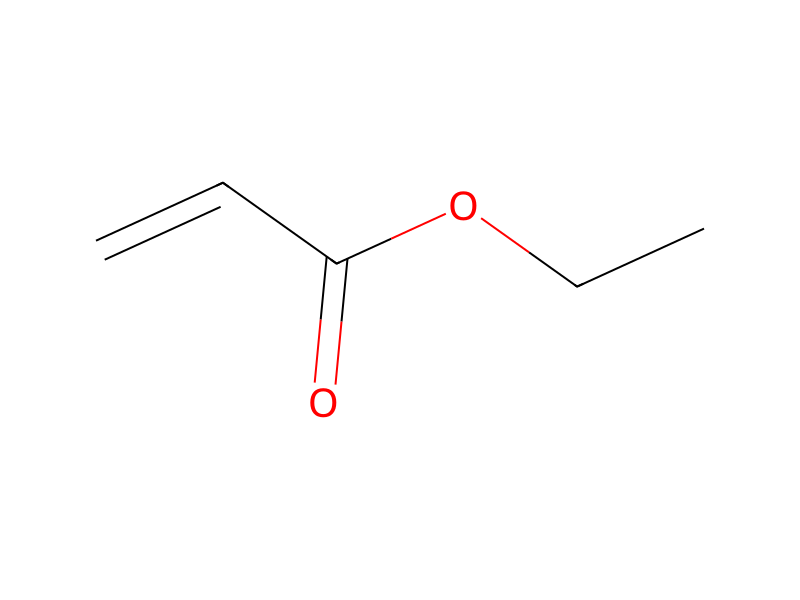
Ethyl Acrylate → HCID 13191793, Verbindung

HRID 980830
Drucken

Reaktionsgleichung

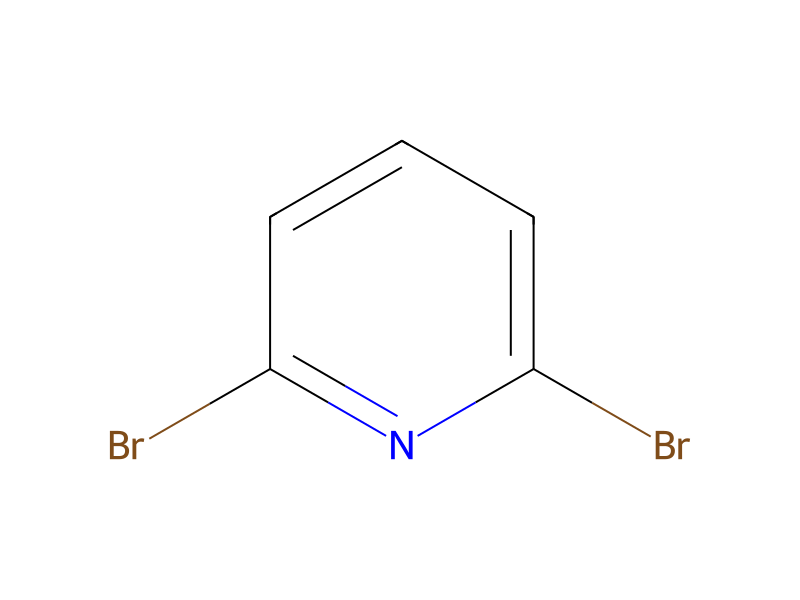
Br[C:2]1[CH:7]=[CH:6][CH:5]=[C:4]([C:8](=[O:19])[C:9]2[CH:14]=[CH:13][C:12]([C:15]([F:18])([F:17])[F:16])=[CH:11][CH:10]=2)[N:3]=1.BrC1C=CC=C(Br)N=1.C([Li])CCC.[C:33]([O:37][CH2:38][CH3:39])(=[O:36])[CH:34]=[CH2:35].C1(P(C2C=CC=CC=2)C2C=CC=CC=2)C=CC=CC=1>C([O-])(=O)C.[Pd+2].C([O-])(=O)C.C(#N)C.C(N(CC)CC)C.CCOCC>[CH2:38]([O:37][C:33](=[O:36])/[CH:34]=[CH:35]/[C:2]1[CH:7]=[CH:6][CH:5]=[C:4]([C:8](=[O:19])[C:9]2[CH:14]=[CH:13][C:12]([C:15]([F:18])([F:17])[F:16])=[CH:11][CH:10]=2)[N:3]=1)[CH3:39]
KomponentenVersuchsvorschriftQuellen und NachweiseNotizen zur Reaktion

Komponenten

10

Edukt 5

HCID 8821Ethyl AcrylateHCID 11776TriphenylphosphineHCID 122742,6-DibromopyridineHCID 13191796(6-Bromopyridin-2-yl)[4-(trifluoromethyl)phenyl]methanoneHCID 178418339Butyllithium

Produkt 1

HCID 13191793HCID 13191793, Verbindung

Reagenzien, Katalysatoren, Lösungsmittel 4

HCID 167845palladium(II) acetateKatalysatorHCID 3283Diethyl EtherLösungsmittelHCID 6342AcetonitrileLösungsmittelHCID 8471TriethylamineLösungsmittel

Versuchsvorschrift

2-Bromo-6-(4-trifluoromethylbenzoyl)pyridine, m.p. 66°-68° C. (prepared by reacting 2,6-dibromopyridine and 4-trifluoromethylenzonitrile in dry ether in the presence of butyllithium) ethyl acrylate, triethylamine, palladium(II) acetate, triphenylphosphine and acetonitrile were heated at 150° C. in an autoclave with stirring for six hours to yield (E)-ethyl-3-[6-(4-trifluoromethylbenzoyl)-2-pyridyl]acrylate, m.p. 129°-132° C. Butyllithium was added under nitrogen to a stirred suspension of triphenyl-2-pyrrolidinoethylphosphonium bromide in dry toluene to form a Wittig reagent. After 0.5 hours, the acrylate compound prepared above, in toluene was added and the resulting suspension was heated at 75° C. with stirring for 2 hours. The cooled solution was diluted with ether and treated with hydrochloric acid (2M). The aqueous phase was separated, washed with ether, and basified with potassium carbonate (ice) and extracted with ether. The mixture of isomeric esters obtained by evaporation was dissolved in ethanol containing sodium hydroxide solution (1M) and partially evaporated on the steam bath under reduced pressure for 5 minutes. The residual aqueous solution was neutralized with sulfuric acid and evaporated to dryness. The solid residue was extracted with hot isopropanol and the extracts were concentrated until crystallization commenced. The (E)-3-{6-[3-pyrrolidino-1-(4-Trifluoromethylphenyl)prop-1E-enyl]-2-pyridyl}acrylic acid after recrystallization from isopropanol, melted at m.p. 223°-225° C. (decomp).

Quellen und Nachweise

ORD-Eintrag
ord-640b67b51dab4e04aaed337d2e353573
Quelldatensatz
uspto-grants-1987_01
DOI
10.6084/m9.figshare.5104873.v1
Patentnummer
US04639459

Notizen zur Reaktion

Auf dieser SeiteKomponentenVersuchsvorschriftQuellen und NachweiseNotizen zur Reaktion