Reaction equation

[Cl:1][C:2]1[CH:7]=[CH:6][C:5]([Cl:8])=[CH:4][C:3]=1[N+:9]([O-:11])=[O:10].[Cl-].C([N+](C)(C)C)CCCCCCCCCCCCCCCCC.[F-:35].[K+]>>[F:35][C:2]1[CH:7]=[CH:6][C:5]([Cl:8])=[CH:4][C:3]=1[N+:9]([O-:11])=[O:10].[Cl:1][C:2]1[CH:7]=[CH:6][C:5]([Cl:8])=[CH:4][C:3]=1[N+:9]([O-:11])=[O:10]Participants
5



Procedure
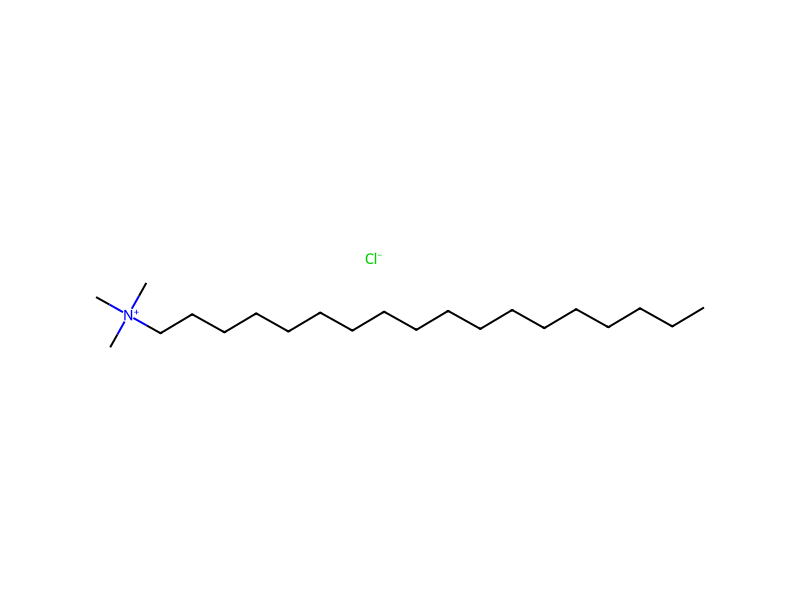
2020 g (10.5 mol) of 2,5-dichloronitrobenzene, 70 g (0.2 mol) of octadecyltrimethylammonium chloride and 580 g (10.0 mol) of potassium fluoride were reacted analogously to Example 1. 936 g (72.3%, relative to 2,5-dichloronitrobenzene converted) of 2-fluoro-5-chloronitrobenzene and 600 g (29.7%, relative to 2,5-dichloronitrobenzene employed) of unreacted 2,5-dichloronitrobenzene were obtained.
Sources & evidence
- ORD record
- ord-241e020c2e9147949a0199531b862515
- Source dataset
- uspto-grants-1996_08
- Patent number
- US05545768
Linked notes
Loading…