HomeMCPWorkbenchSkills
HomeWorkbenchNotificationsMe
llms.txt · MCP GuidePrivacy Policy · Terms of Service · Supportv1.8.0
  1. Home
  2. /Reaction

Tetrahydrofuran → 1,1-Dimethylethyl 4-ethenylphenyl carbonate

HRID 1090846
Notes
Print preview

Reaction equation

HRID 1090846 reaction equation
C(OC1[CH:12]=[CH:11][C:8]([CH:9]=[CH2:10])=[CH:7][CH:6]=1)(=O)C.C(O[C:18]([O:20][C:21]([O:23][C:24]([CH3:27])([CH3:26])[CH3:25])=[O:22])=O)(C)(C)C.C(=O)([O-])[O-].[K+].[K+].C1COCC1>C(Cl)Cl>[C:24]([O:23][C:21]([O:20][C:18]1[CH:10]=[CH:9][C:8]([CH:11]=[CH2:12])=[CH:7][CH:6]=1)=[O:22])([CH3:25])([CH3:26])[CH3:27]
ParticipantsProcedureWorkupSources & evidenceReaction notes

Participants

6

Reactant 4

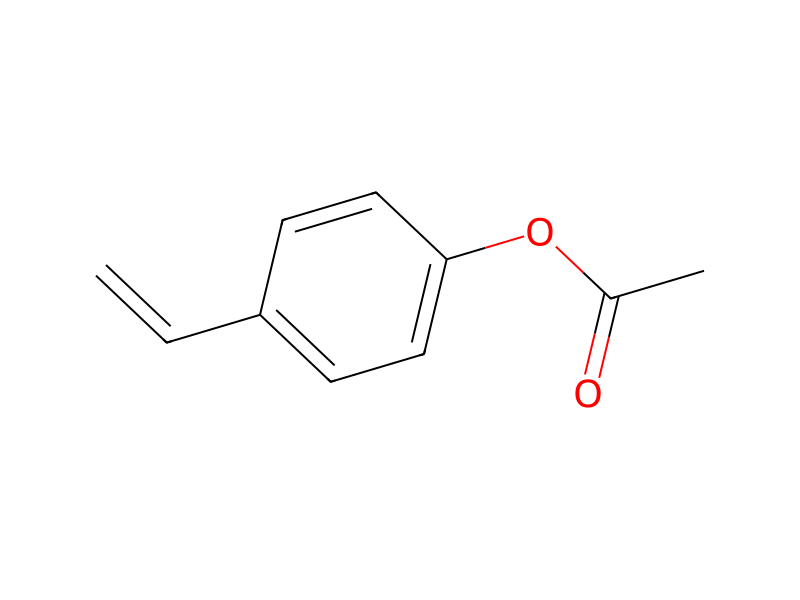
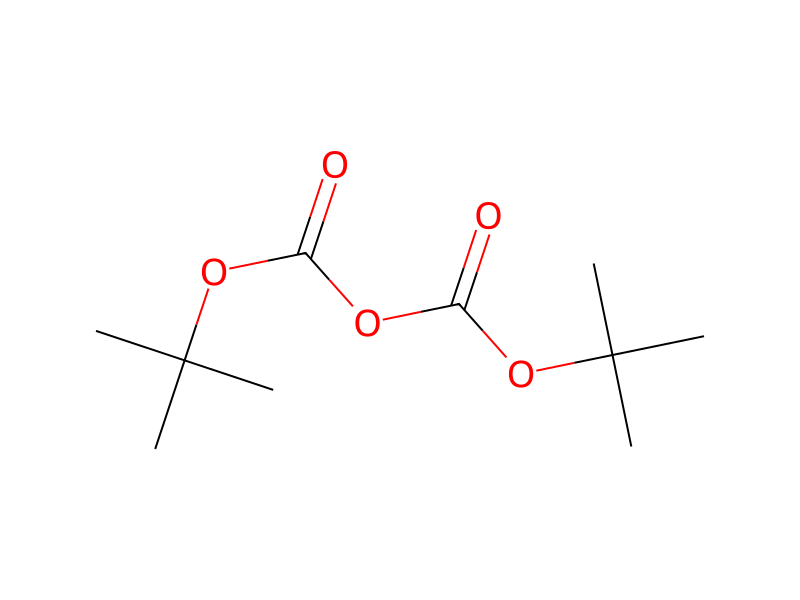
HCID 8028TetrahydrofuranHCID 11430Potassium CarbonateHCID 758214-Ethenylphenyl acetateHCID 90495Di-tert-butyl dicarbonate

Product 1

HCID 934851,1-Dimethylethyl 4-ethenylphenyl carbonate

Reagents, catalysts & solvents 1

HCID 6344
Dichloromethane
Solvent

Procedure

In 200 mL of methylene chloride was dissolved 6.91 g (0.043 m) of 4-acetoxystyrene and 13.10 g (0.060 m) of di-t-butyldicarbonate under nitrogen. To the solution at room temperature was added 14.0 g (0.101 m) of potassium carbonate and the mixture was vigorously stirred for 22 hours, following the reaction by thin layer chromatography. After 22 hours at room temperature 100 mL of THF was added and the reaction was further stirred for 142 hours. It was worked up as in the above Examples. There was a very low yield (less than 10 %) of the product, 4-(t-butoxycarbonyloxy)styrene, under these conditions as analyzed by NMR, HPLC and TLC.

Workup

  1. customthe reaction by thin layer chromatography
  2. stirringthe reaction was further stirred for 142 hours

Sources & evidence

ORD record
ord-5ef164ef8e54432f8a59af20f0fe5e5e
Source dataset
uspto-grants-1992_01
DOI
10.6084/m9.figshare.5104873.v1
Patent number
US05082965

Reaction notes

Loading…

On this pageParticipantsProcedureWorkupSources & evidenceReaction notes