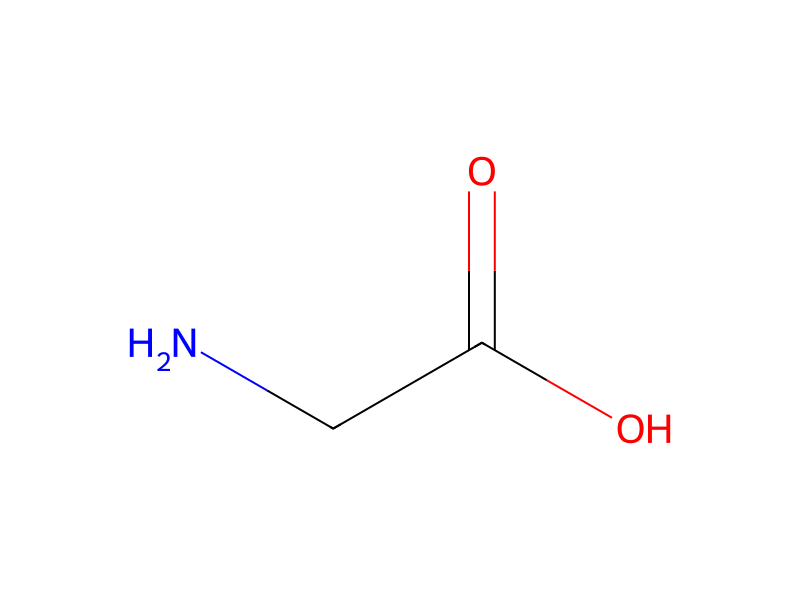
C(Cl)(=O)C(Cl)=O.[CH:7]1([CH2:10][CH2:11][O:12][C:13]2[CH:21]=[CH:20][C:16]([C:17]([OH:19])=O)=[CH:15][CH:14]=2)[CH2:9][CH2:8]1.[NH2:22][CH2:23][C:24]([OH:26])=[O:25].Cl>CN(C=O)C.C(N(CC)CC)C.ClCCl>[CH:7]1([CH2:10][CH2:11][O:12][C:13]2[CH:14]=[CH:15][C:16]([C:17]([NH:22][CH2:23][C:24]([OH:26])=[O:25])=[O:19])=[CH:20][CH:21]=2)[CH2:8][CH2:9]1Oxalyl chloride (8.64 mL, 99.0 mmol) and one drop of DMF were added to a solution of dichloromethane (30 mL) containing 4-(2-cyclopropylethoxy)benzoic acid (9.28 g, 45.0 mmol) prepared in Example 9 (9a) under ice-cooling. The mixture was stirred at room temperature for 1.75 hours, and the solvent was evaporated. Then, the resulting residue was suspended in THF (3 mL). This suspension added dropwise to a 50% THF aqueous solution (120 mL) containing glycine (4.41 g, 58.7 mmol) and triethylamine (15.7 mL, 112 nmol) under ice-cooling. The mixture was stirred at room temperature for 1.5 hours, and then 10% hydrochloric acid (40 mL) was added thereto under ice-cooling. The produced precipitate was collected by filtration, washed with water, and dried by heating under reduced pressure to give 11.4 g of the title compound (powder, yield: 97%).