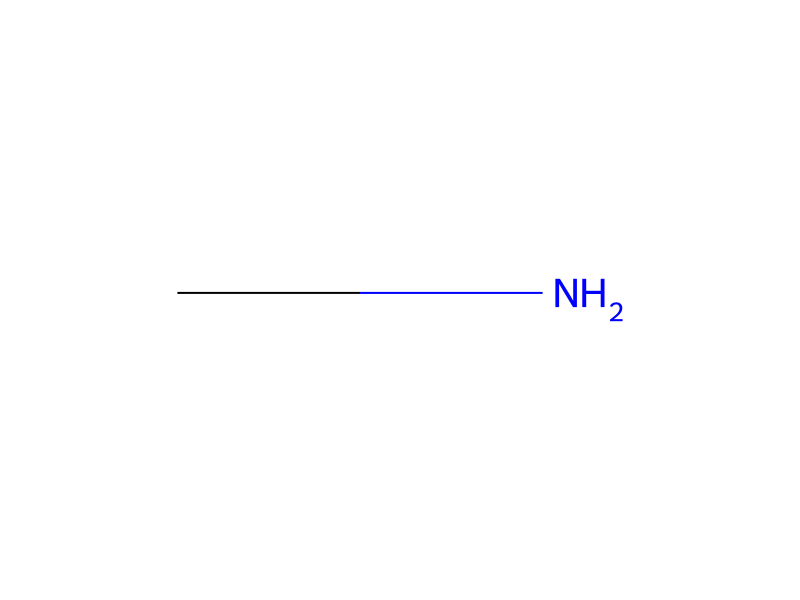
[C:1]([C:5]1[CH:12]=[C:11]([C:13]([CH3:16])([CH3:15])[CH3:14])[CH:10]=[C:9]([OH:17])[C:6]=1[CH:7]=O)([CH3:4])([CH3:3])[CH3:2].[CH3:18][NH2:19].C(O[BH-](OC(=O)C)OC(=O)C)(=O)C.[Na+].C([O-])(O)=O.[Na+]>ClCCCl.C(O)(=O)C>[C:1]([C:5]1[C:6]([CH2:7][NH:19][CH3:18])=[C:9]([OH:17])[CH:10]=[C:11]([C:13]([CH3:16])([CH3:15])[CH3:14])[CH:12]=1)([CH3:4])([CH3:3])[CH3:2]A mixture of 0.234 g (1.00 mmol) of the product of Step A, 3 mL of 2 N methylamine in TMF, and 0.5 mL acetic acid dissolved in 4.0 mL 1,2-dichloroethane was stirred at room temperature for 5 h. Sodium triacetoxyborohydride (0.422 g; 2.0 mmol) and 10 mL of 1,2-dichloroethane was then added and the resulting mixture was stirred overnight at room temperature. The reaction mixture was then treated with excess saturated aqueous NaHCO3. The aqueous layer was separated and extracted with CH2Cl2, the organic layers were combined, dried (Na2SO4), filtered, and evaporated. The residue was purified on a silica gel flash chromatography column eluted with CH2Cl2-MeOH—NH4OH (95:5:0.5). Evaporation of the purified fractions and drying in vacuo afforded the title compound. HPLC/MS: 250.2 (M+1); Rt=2.5 min.