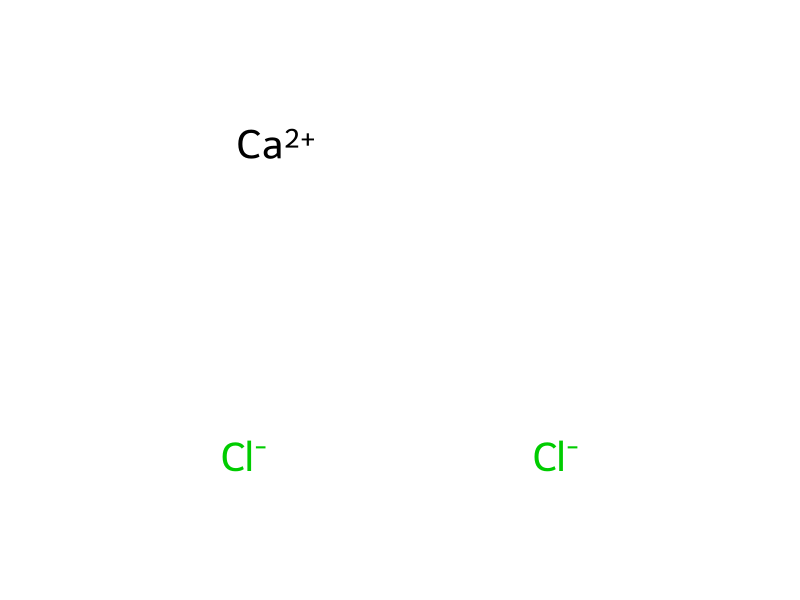
[C:1]([NH:3][C:4]([C:6]1[C:11]([NH2:12])=[N:10][C:9]([N:13]([CH3:15])[CH3:14])=[C:8]([Cl:16])[N:7]=1)=N)#[N:2].Cl.[NH2:18][OH:19].C(N(CC)CC)C.[Cl-].[Ca+2].[Cl-]>O.CO.O1CCCC1>[NH2:2][C:1]1[N:3]=[C:4]([C:6]2[C:11]([NH2:12])=[N:10][C:9]([N:13]([CH3:15])[CH3:14])=[C:8]([Cl:16])[N:7]=2)[O:19][N:18]=1To a solution of tetrahydrofuran (250 ml) containing 50 ml of methanol and 12.36 g (51.57 mmole) of N-cyano-3-amino-5-dimethylamino-6-chloropyrazinecarboxamidine is added hydroxylamine hydrochloride (6.65 g, 103.13 mmole) and triethylamine (21.56 ml, 154.71 mmole). The resulting reaction mixture is protected from moisture (calcium chloride) and heated to reflux for 6 hours. The reaction mixture is cooled, poured into water (1 l) and the yellow solid which forms is collected by filtration. Concentration of the filtrate affords more solid which when combined with the first crop yields 12.64 g (96%) of the desired product. The reaction product is dried at 60° C. and directly affords analytically pure 3-amino-5-[3-amino-5-dimethylamino-6-chloropyrazin-2-yl]-1,2,4-oxadiazole, m.p. 210°-211° C.