Reaction equation

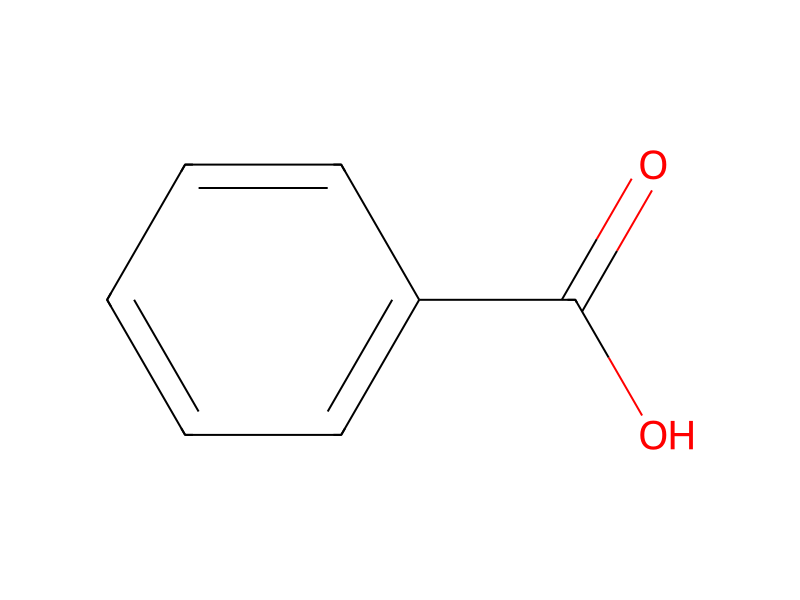
[CH2:1]([O:3][CH:4]([O:7][CH2:8][CH3:9])[CH2:5]Cl)[CH3:2].[C:10]([OH:18])(=[O:17])[C:11]1[CH:16]=[CH:15][CH:14]=[CH:13][CH:12]=1.[I-].[K+].C(=O)([O-])[O-].[K+].[K+]>C(OCC)(=O)C.O.CN(C=O)C>[CH2:1]([O:3][CH:4]([O:7][CH2:8][CH3:9])[CH2:5][O:18][C:10](=[O:17])[C:11]1[CH:16]=[CH:15][CH:14]=[CH:13][CH:12]=1)[CH3:2]Participants
8







Procedure
Chloroacetaldehyde diethyl acetal (2.00 g), benzoic acid (2.16 g), potassium iodide (0.27 g), potassium carbonate (1.11 g) and DMF (20 mL) were placed in a three-neck flask, followed by refluxing. Twenty hours later, the reaction mixture was cooled to room temperature, and water (30 mL) and ethyl acetate (80 mL) were added thereto, followed by stirring. After filtration, the organic layer was separated, was subjected to vacuum concentration and thereby yielded the target compound (1.74 g) in a yield of 56%.
Workup
- temperatureby refluxing
- filtrationAfter filtration
- customthe organic layer was separated
- concentrationwas subjected to vacuum concentration
Sources & evidence
- ORD record
- ord-5ddedaa9d9e64079942ac7ae57726df1
- Source dataset
- uspto-grants-2010_06
- Patent number
- US07728152B2
Linked notes
Loading…