HomeMCPSkillsWorkbenchOpenChem
HomeWorkbenchNotificationsMe
llms.txt · skill.md · MCP GuidePrivacy Policy · Terms of Service · Supportv1.8.4
  1. Home
  2. /Reaction

Triethylamine → Tert-butyl[3-(2-hydroxyethoxy)phenyl](imino)methylcarbamate

HRID 1516615
Print

Reaction equation

[OH:1][CH2:2][CH2:3][O:4][C:5]1[CH:6]=[C:7]([CH:10]=[CH:11][CH:12]=1)C#N.C(=O)([O-])[O-].[NH4+].[NH4+].C([N:21]([CH2:24]C)CC)C.[C:26]([O:30][C:31]([O:33]C(OC(C)(C)C)=O)=O)([CH3:29])([CH3:28])[CH3:27].C[N:42](C)CCN>C(O)C.Cl.O1CCOCC1.CN(C)C=O>[C:26]([O:30][C:31](=[O:33])[N:42]([C:7]1[CH:10]=[CH:11][CH:12]=[C:5]([O:4][CH2:3][CH2:2][OH:1])[CH:6]=1)[CH:24]=[NH:21])([CH3:29])([CH3:28])[CH3:27]
ParticipantsProcedureWorkupSources & evidenceReaction notes

Participants

9

Reactant 5

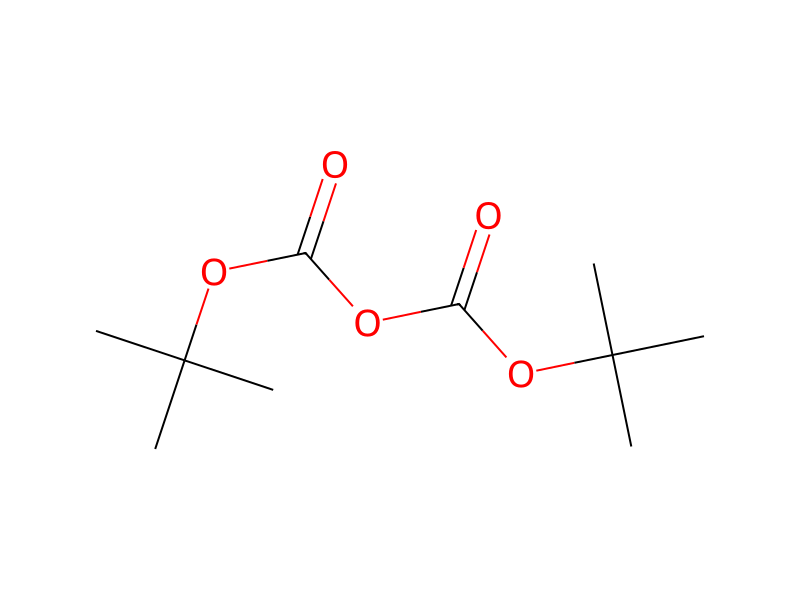
HCID 8471TriethylamineHCID 66053N,N-DimethylethylenediamineHCID 90495Di-tert-butyl dicarbonateHCID 517111Ammonium CarbonateHCID 122221843-(2-Hydroxyethoxy)benzonitrile

Product 1

HCID 86618007Tert-butyl[3-(2-hydroxyethoxy)phenyl](imino)methylcarbamate

Reagents, catalysts & solvents 3

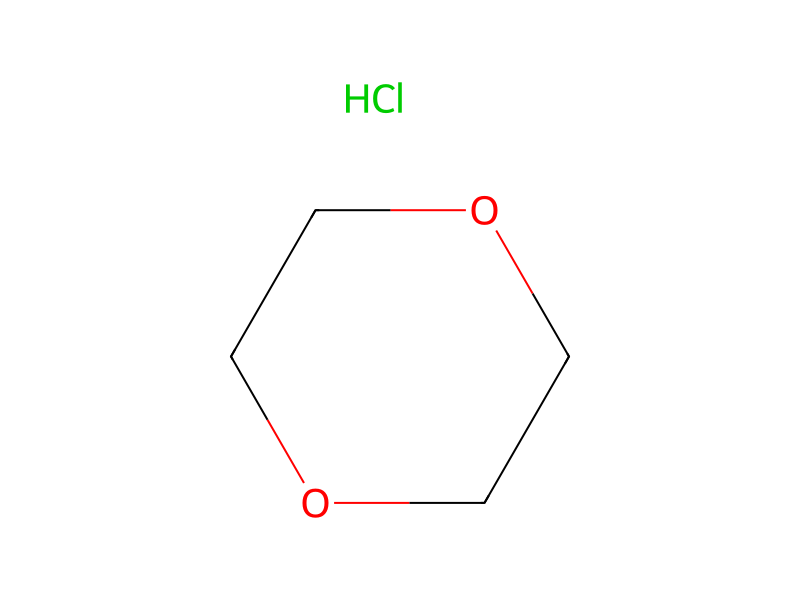
HCID 702EthanolSolvent2×HCID 6228DimethylformamideSolventHCID 204431481,4-Dioxane hydrochlorideSolvent

Procedure

3-(2-Hydroxyethoxy)benzonitrile (1.60 g, 9.81 mmol) obtained in Step 2 was dissolved in anhydrous ethanol (570 μl) and 4N hydrochloric acid/1,4-dioxane solution (5.1 ml), and the mixture was stirred in a closed system at room temperature for two nights. The solvent was evaporated under reduced pressure, anhydrous ethanol (30 ml) and ammonium carbonate (4.7 g, 49 mmol) were added to the obtained residue, and the mixture was stirred at room temperature for 6 hours. The solvent was evaporated under reduced pressure, and the obtained residue was suspended in dimethylformamide (20 ml). Triethylamine (4.1 ml, 29.4 mmol) and a solution (10 ml) of di-tert-butyldicarbonate (4.28 g, 19.6 mmol) in dimethylformamide were added dropwise under ice-cooling, and the mixture was stirred at room temperature overnight. N,N-Dimethylethylenediamine (2.2 ml, 19.6 mmol) was added under ice-cooling, and the mixture was stirred at room temperature for 30 minutes and concentrated under reduced pressure. The residue was diluted with ethyl acetate, and the mixture was washed with saturated aqueous ammonium chloride solution, saturated aqueous sodium hydrogencarbonate solution, and saturated brine, and dried over anhydrous sodium sulfate. The organic layer was filtered through silica gel, and the solvent was evaporated under reduced pressure to give the title compound.


Workup

  1. additionwere added to the obtained residue
  2. customThe solvent was evaporated under reduced pressure
  3. temperaturecooling
  4. stirringthe mixture was stirred at room temperature overnight
  5. temperaturecooling
  6. stirringthe mixture was stirred at room temperature for 30 minutes
  7. concentrationconcentrated under reduced pressure
  8. additionThe residue was diluted with ethyl acetate
  9. washthe mixture was washed with saturated aqueous ammonium chloride solution, saturated aqueous sodium hydrogencarbonate solution, and saturated brine
  10. dry with materialdried over anhydrous sodium sulfate
  11. filtrationThe organic layer was filtered through silica gel
  12. customthe solvent was evaporated under reduced pressure

Sources & evidence

ORD record
ord-caef45c58fa945b795bfc0e64a118993
Source dataset
uspto-grants-2012_07
DOI
10.6084/m9.figshare.5104873.v1
Patent number
US08227506B2

Reaction notes

On this pageParticipantsProcedureWorkupSources & evidenceReaction notes