HomeMCPWorkbenchSkills
HomeWorkbenchNotificationsMe
llms.txt · MCP GuidePrivacy Policy · Terms of Service · Supportv1.8.3
  1. Home
  2. /Reaction

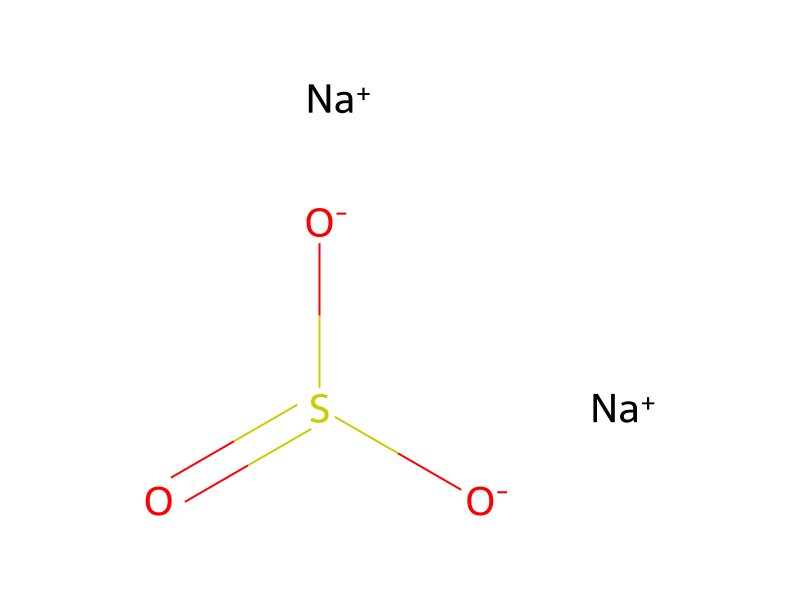
Sodium Sulfite → Benzaldehyde, 2-bromo-3-(phenylmethoxy)-

HRID 1647538
Print

Reaction equation

HRID 1647538 reaction equation
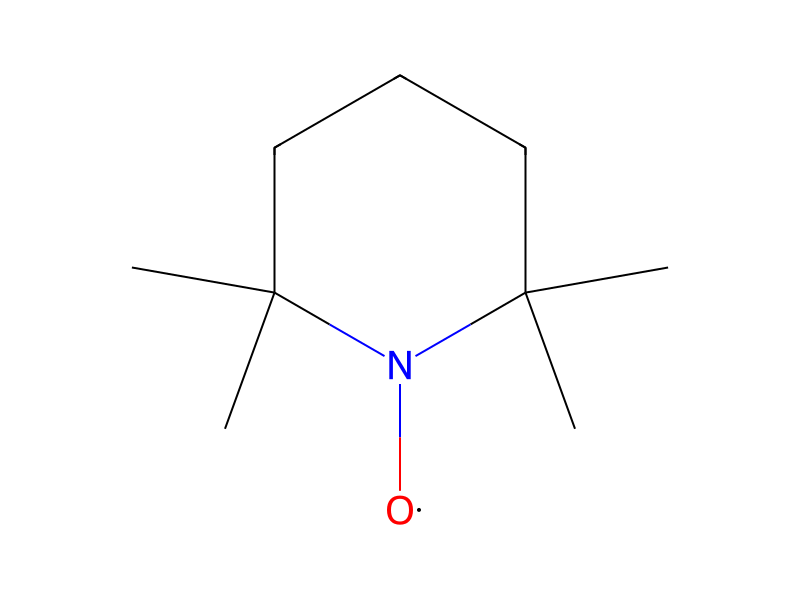
[Br:1][C:2]1[C:9]([O:10][CH2:11][C:12]2[CH:17]=[CH:16][CH:15]=[CH:14][CH:13]=2)=[CH:8][CH:7]=[CH:6][C:3]=1[CH2:4][OH:5].[Br-].[Na+].C(=O)(O)[O-].[Na+].S([O-])([O-])=O.[Na+].[Na+]>C1COCC1.[O-]Cl.[Na+].CC1(C)N([O])C(C)(C)CCC1.O>[Br:1][C:2]1[C:9]([O:10][CH2:11][C:12]2[CH:17]=[CH:16][CH:15]=[CH:14][CH:13]=2)=[CH:8][CH:7]=[CH:6][C:3]=1[CH:4]=[O:5]
ParticipantsConditionsProcedureWorkupSources & evidenceReaction notes

Participants

9

Reactant 4

HCID 24437Sodium SulfiteHCID 253881Sodium BromideHCID 516892Sodium BicarbonateHCID 10661371HCID 10661371, compound

Product 1

HCID 11289299Benzaldehyde, 2-bromo-3-(phenylmethoxy)-Yield 90%

Reagents, catalysts & solvents 4

HCID 2724126
Tempo
Catalyst
HCID 962WaterSolvent
HCID 8028TetrahydrofuranSolvent
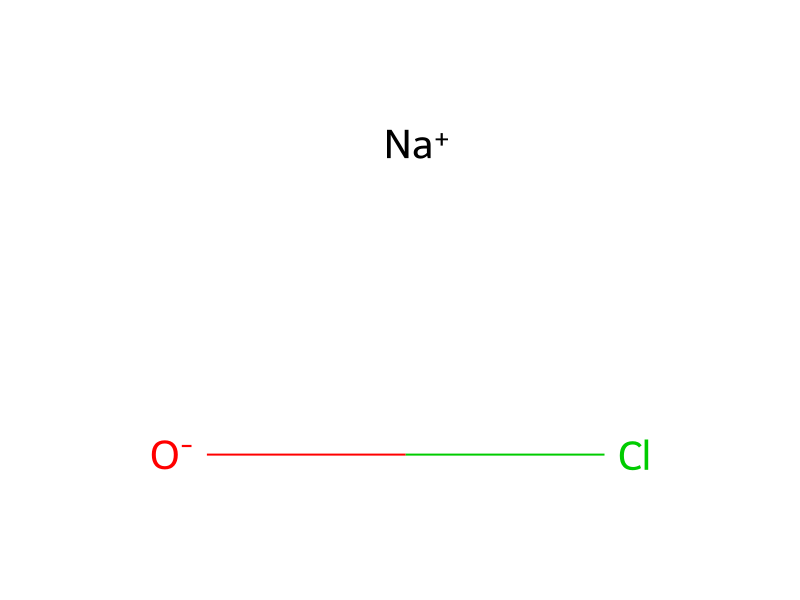
HCID 23665760Sodium HypochloriteSolvent

Conditions

Temperature
0 °C

Procedure

(2-bromo-3-benzyloxybenzyl alcohol (251 g, 0.86 mol) was dissolved in THF (300 ml) and sodium bromide (13.2 g, 0.128 mol) added. The reaction mixture was cooled to 0° C. and TEMPO (0.67 g, 4.28 mmol) was added followed by a freshly prepared (0° C.) solution of sodium bicarbonate (10.8 g, 0.128 mol) in 1 liter of commercial Chlorox® bleach. This was stirred rapidly at 0° C. for 3 h and sodium sulfite added. Any precipitated solids were dissolved upon addition of deionized water. The organics were separated and the aqueous layer extracted with ethyl acetate. The combined organics were washed with brine, dried (MgSO4) and concentrated. The residue was cooled in an ice bath and the precipitated solids collected by filtration to give 2-bromo-3-benzyloxybenzaldehyde (224 g, 90%): mp 125°-6° C. The above prepared aldehyde (215 g) was combined in toluene (200 ml) with 1,3-propane diol (107 ml, 1.48 mol) and pTSA.H2O (1.6 g) and heated at the reflux temperature with azeotropic removal of water via a Dean-Stark trap. After 1.5 h the reaction mixture was cooled and washed with saturated sodium bicarbonate and brine. The organics were separated, dried (MgSO4) and evaporated. The residue was crystallized from methanol to afford the title compound as a white solid (248 g, 96%): mp 73°-4° C.

Workup

  1. customThe organics were separated
  2. extractionthe aqueous layer extracted with ethyl acetate
  3. washThe combined organics were washed with brine
  4. dry with materialdried (MgSO4)
  5. concentrationconcentrated
  6. temperatureThe residue was cooled in an ice bath
  7. filtrationthe precipitated solids collected by filtration

Sources & evidence

ORD record
ord-945eb238be864df991fa58db9033128a
Source dataset
uspto-grants-1995_07
DOI
10.6084/m9.figshare.5104873.v1
Patent number
US05432198

Reaction notes

On this pageParticipantsConditionsProcedureWorkupSources & evidenceReaction notes