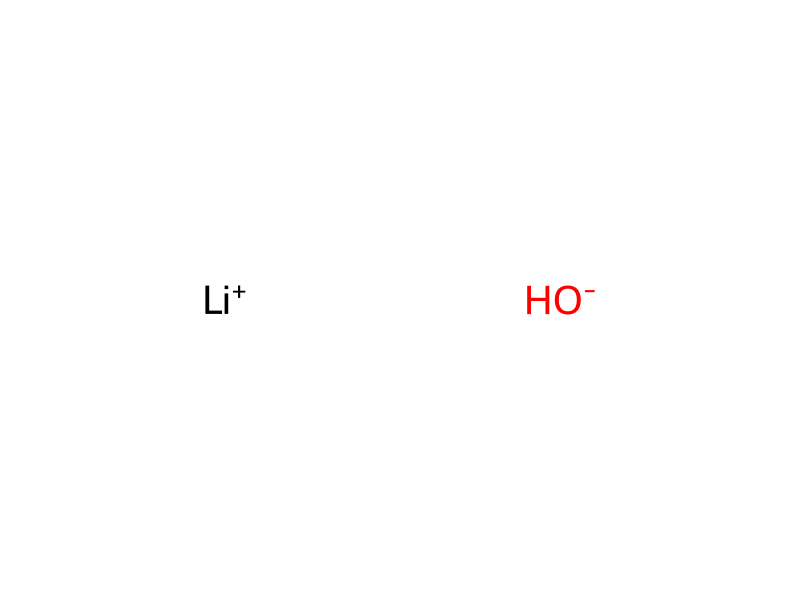
[C:1]([O:5][C:6]([N:8]([C:13]1[CH:14]=[C:15]([CH:21]=[CH:22][N:23]=1)[C:16]([O:18]CC)=[O:17])[S:9]([CH3:12])(=[O:11])=[O:10])=[O:7])([CH3:4])([CH3:3])[CH3:2].[Li+].[OH-].Cl>C1COCC1.C(OCC)(=O)C>[C:1]([O:5][C:6]([N:8]([C:13]1[CH:14]=[C:15]([CH:21]=[CH:22][N:23]=1)[C:16]([OH:18])=[O:17])[S:9]([CH3:12])(=[O:11])=[O:10])=[O:7])([CH3:4])([CH3:2])[CH3:3]To a solution of ethyl 2-(N-(tert-butoxycarbonyl)methylsulfonamido)isonicotinate (0.920 g, 2.67 mmol) in THF (15 ml), aqueous 1M LiOH (2.94 ml, 2.94 mmol) was added, and the reaction was stirred at room temperature for 2 hours. The mixture was diluted with ethyl acetate and acidified with aqueous 2N HCl. The organic layer was separated, washed with brine and dried over Na2SO4. The solvent was removed under vacuum and the solid residue was purified by trituration with iPr2O affording after filtration 2-(N-(tert-butoxycarbonyl)methylsulfonamido) isonicotinic acid as a white solid (0.625 g, 1.976 mmol, 74.0% yield, MS/ESI+ 339.2 [MNa]+).