HomeMCPWorkbenchSkills
HomeWorkbenchNotificationsMe
llms.txt · MCP GuidePrivacy Policy · Terms of Service · Supportv1.8.3
  1. Home
  2. /Reaction

Hydrochloric Acid → Dipyrromethane

HRID 1794644
Print

Reaction equation

HRID 1794644 reaction equation
N1C=CC(C=O)=CC=1.Cl.[CH:10]1[CH:14]=[C:13]([CH:15]([C:22]2[NH:26][CH:25]=[CH:24][CH:23]=2)C2C=CN=CC=2)[NH:12][CH:11]=1.B(F)(F)F.Cl.C1COCC1>CO.N1C=CC=C1>[CH:24]1[CH:23]=[C:22]([CH2:15][C:13]2[NH:12][CH:11]=[CH:10][CH:14]=2)[NH:26][CH:25]=1
ParticipantsProcedureWorkupSources & evidenceReaction notes

Participants

8

Reactant 5

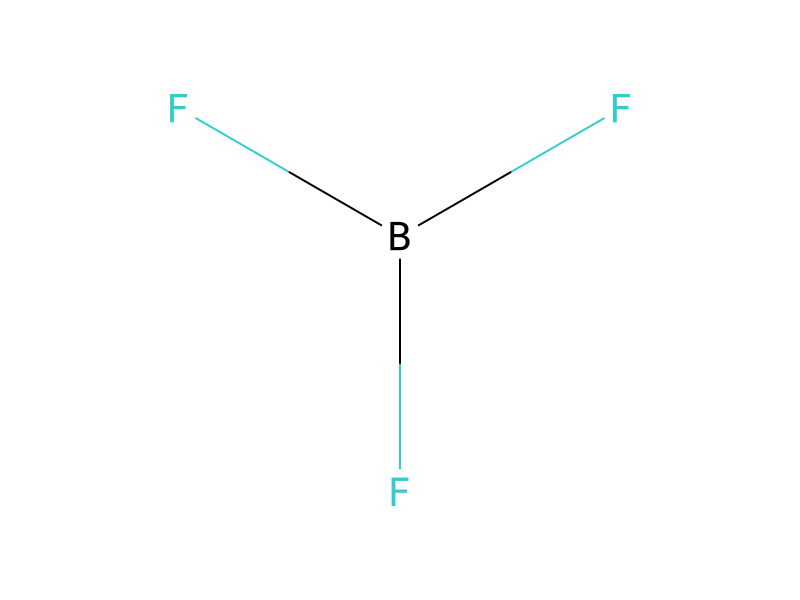
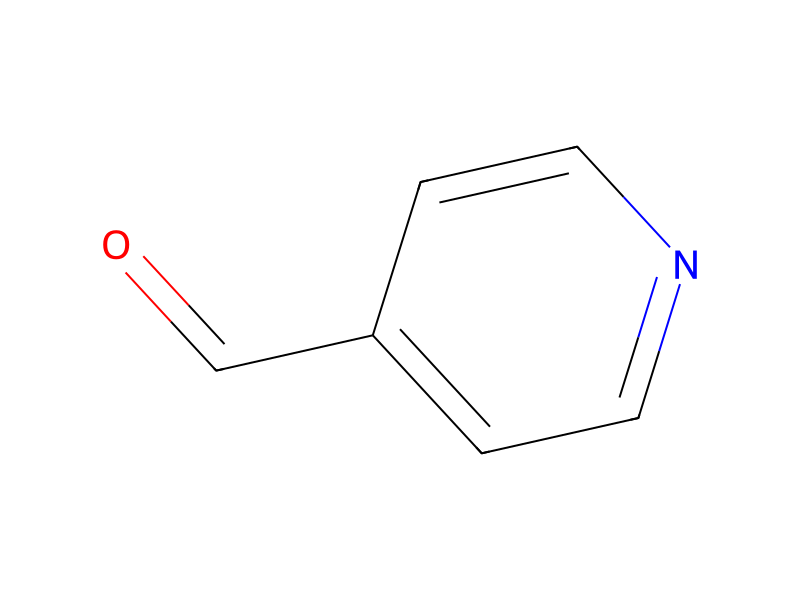
HCID 313Hydrochloric AcidHCID 6356Boron trifluorideHCID 133894-PyridinecarboxaldehydeHCID 106328684-(Di(1H-pyrrol-2-yl)methyl)pyridineHCID 18422008HCl tetrahydrofuran

Product 1

HCID 140814Dipyrromethane

Reagents, catalysts & solvents 2

HCID 887MethanolSolventHCID 8027PyrroleSolvent3×

Procedure

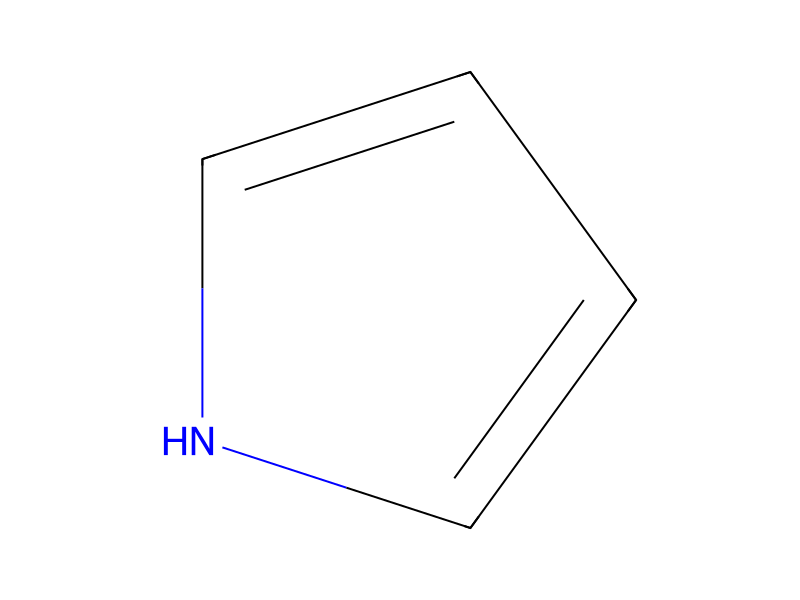
The earliest one-flask synthesis entailed reaction of 4-pyridine carboxaldehyde with 2.1 molar equiv of pyrrole in methanol acidified with gaseous HCl, whereupon the corresponding 5-(4-pyridyl)dipyrromethane precipitated as the hydrochloride salt.2 In most applications such precipitation is not possible, in which case all excess of pyrrole is employed to suppress the continued reaction leading to linear and cyclic oligomers. A number of reports in the early-mid 1990s described methods where the aldehyde (0.04–0.5 M) was treated with excess pyrrole (2.1–40 molar equiv) in an acidified organic solvent: BF3-etherate/CH2Cl2,3 acetic acid/DMF4 or THF,5 SnCl4/CH2Cl2,6 p-toluenesulfonic acid/MeOH7,8 or toluene,9 or aq. HCl/THF.10 Workup typically entailed several steps including column chromatography, though Hammel et al. employed flash chromatography followed by Kugelrohr distillation.3 In 1994, we reported a method that employed the reaction of the aldehyde (0.34 M) dissolved in neat pyrrole (˜14 M) with no other solvent, relying on column chromatography for purification (“1994 procedure”).11 Catalysis was achieved at room temperature with TFA or BF3.O(Et)2, or in some cases12 upon heating without added acid. The reaction proceeded in a few minutes at room temperature and afforded the dipyrromethane in yields of ˜40–60%, but the use of chromatography for purification limited the scale.


Workup

  1. customprecipitated as the hydrochloride salt
  2. custom2 In most applications such precipitation
  3. customthe continued reaction
  4. customrelying on column chromatography for purification (“1994 procedure”).11 Catalysis
  5. customwas achieved at room temperature with TFA or BF3
  6. temperatureO(Et)2, or in some cases12 upon heating
  7. additionwithout added acid
  8. waitThe reaction proceeded in a few minutes at room temperature

Sources & evidence

ORD record
ord-a94bb07cea2a464383bb789d486b9a0f
Source dataset
uspto-grants-2006_04
DOI
10.6084/m9.figshare.5104873.v1
Patent number
US07022862B2

Reaction notes

On this pageParticipantsProcedureWorkupSources & evidenceReaction notes