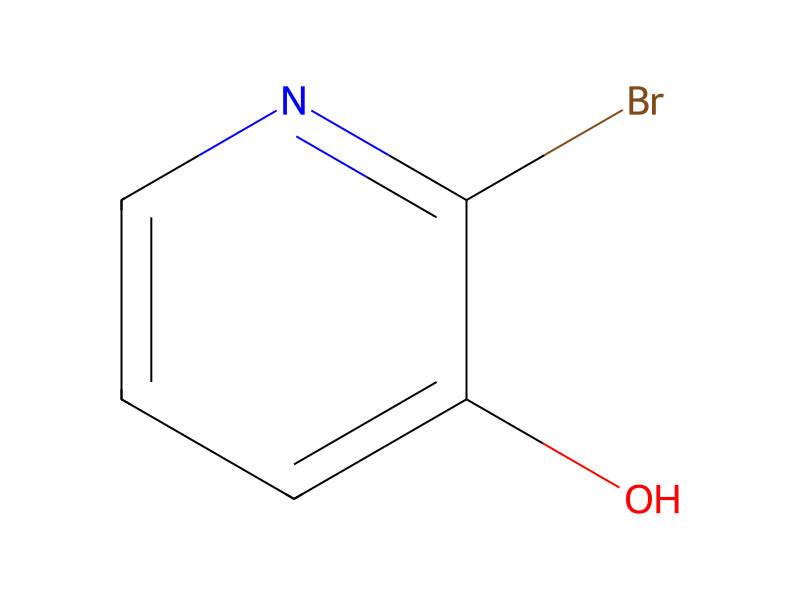
BrC1C([O:8][CH2:9][CH2:10][CH2:11][CH:12]=C)=CC=CN=1.N(C(OCC)=O)=N[C:16](OCC)=O.Br[C:27]1[C:32]([OH:33])=[CH:31][CH:30]=[CH:29][N:28]=1.C(O)C[CH2:36][CH:37]=[CH2:38].C1C=CC(P(C2C=CC=CC=2)C2C=CC=CC=2)=CC=1>C1COCC1.C([O-])(O)=O.[Na+]>[C:37]([C:29]1[N:28]=[C:27]2[C:9](=[O:8])[CH2:10][CH2:11][CH2:12][O:33][C:32]2=[CH:31][CH:30]=1)([CH3:36])([CH3:38])[CH3:16]2-bromo-3-(pent-4-en-1-yloxy)pyridine. Diethyl azodicarboxylate (1 eq.) is added dropwise to a stirring mixture of 2-bromo-3-hydroxypyridine (0.92 eq,), pent-4-en-1-ol (0.92 eq), and PPh3 (1.1 eq) in THF (0.2 M) at 0° C. under a N2 atmosphere. The reaction mixture is warmed to 50° C. in an oil bath. Reaction progress is monitored by TLC until judged complete. The reaction mixture is cooled to ambient temperature and diluted with saturated NaHCO3 solution. The aqueous solution is extracted with EtOAc, and the organic layer is dried over Na2SO4 and concentrated. The compound that may be thus obtained is purified by column chromatography to afford the title compound.
Loading…