Diisopropylethylamine → tert-Butyl (1-(4-((6-chloro-3-nitropyridin-2-yl)amino)phenyl)cyclobutyl)carbamate
Reaction equation

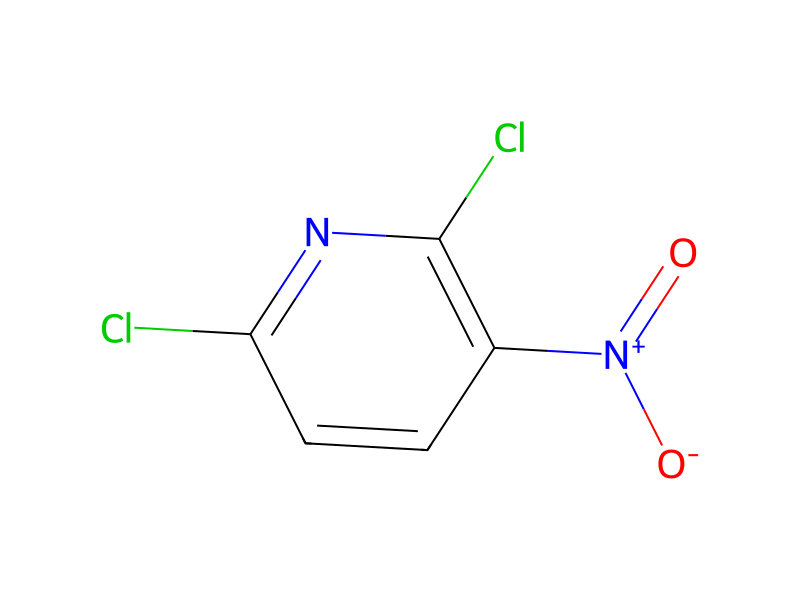
Cl[C:2]1[C:7]([N+:8]([O-:10])=[O:9])=[CH:6][CH:5]=[C:4]([Cl:11])[N:3]=1.C(N(C(C)C)C(C)C)C.[NH2:21][C:22]1[CH:27]=[CH:26][C:25]([C:28]2([NH:32][C:33](=[O:39])[O:34][C:35]([CH3:38])([CH3:37])[CH3:36])[CH2:31][CH2:30][CH2:29]2)=[CH:24][CH:23]=1>C1COCC1.C(OCC)(=O)C.O>[Cl:11][C:4]1[N:3]=[C:2]([NH:21][C:22]2[CH:27]=[CH:26][C:25]([C:28]3([NH:32][C:33](=[O:39])[O:34][C:35]([CH3:37])([CH3:36])[CH3:38])[CH2:29][CH2:30][CH2:31]3)=[CH:24][CH:23]=2)[C:7]([N+:8]([O-:10])=[O:9])=[CH:6][CH:5]=1Participants
7
Reactant 3


Product 1

Reagents, catalysts & solvents 3


