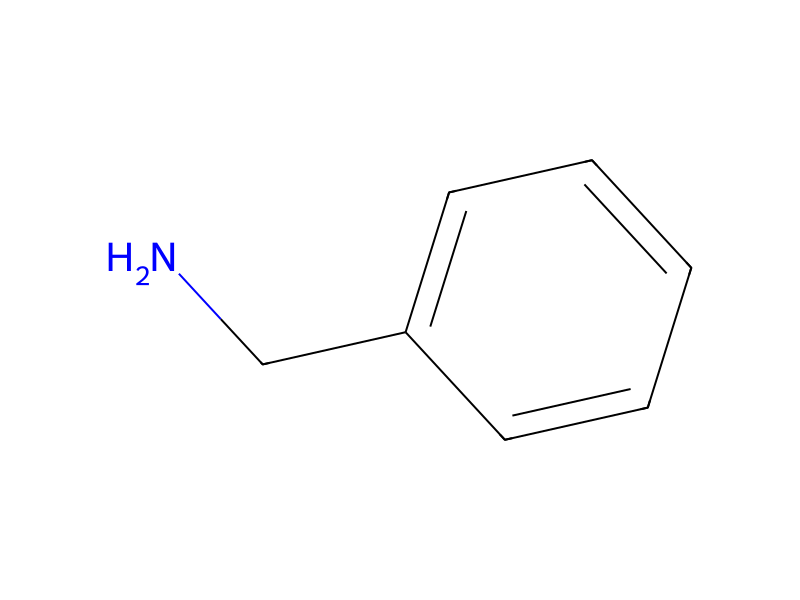
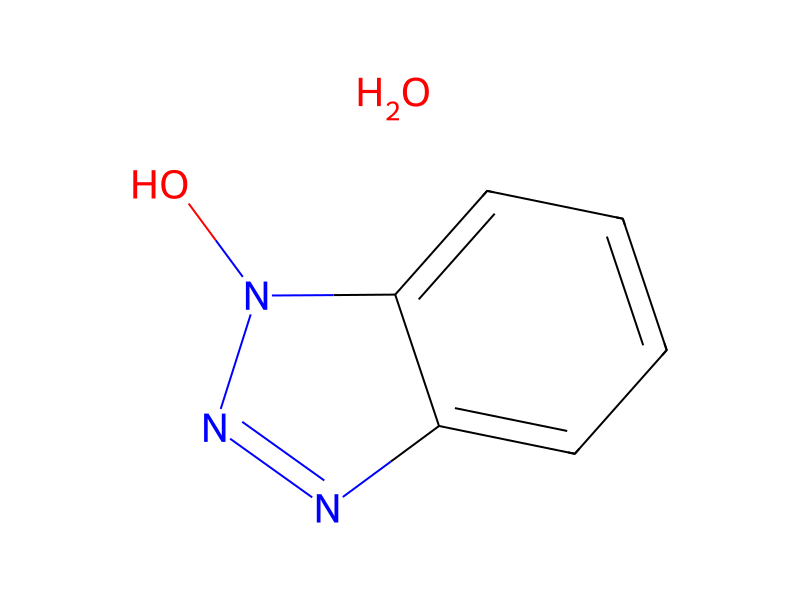
[N:1]1[C:10]2[C:5](=[CH:6][N:7]=[CH:8][CH:9]=2)[CH:4]=[CH:3][C:2]=1[C:11]([OH:13])=O.O.ON1C2C=CC=CC=2N=N1.[CH2:25]([NH2:32])[C:26]1[CH:31]=[CH:30][CH:29]=[CH:28][CH:27]=1.Cl.CN(C)CCCN=C=NCC>C1COCC1.CCOC(C)=O.CN(C=O)C>[CH2:25]([NH:32][C:11]([C:2]1[CH:3]=[CH:4][C:5]2[C:10](=[CH:9][CH:8]=[N:7][CH:6]=2)[N:1]=1)=[O:13])[C:26]1[CH:31]=[CH:30][CH:29]=[CH:28][CH:27]=1To a stirring mixture of 2-[1,6]naphthyridinecarboxylic acid (50 mg, 0.287 mmol), 1-hydroxybenzo-triazole hydrate (42.7 mg, 0.316 mmol), benzylamine (45 mg, 0.42 mmol) in anhydrous THF (5 ml) at 0° C. was added 1-(3-dimethylaminopropyl)-3-ethylcarbodiimide hydrochloride (60.6 mg, 0.316 mmol). The resulting mixture was allowed to stir at RT. After 20 min, DMF (2ml) was added to the reaction mixture and the mixture was allowed to stir at room temperature overnight and it was found to be clear. The solvent was removed under vacuum and the resulting residue was redissolved in CH2Cl2 (100 ml). The organic layer was washed with aqueous NaHCO3, dried over anhydrous MgSO4, and concentrated to give the crude mixture. Chromatography of the crude (Hex:EtOAc=1:1 to pure EtOAc) afforded desired product as white solid (97 mg, 99%): m.p.113-115° C.