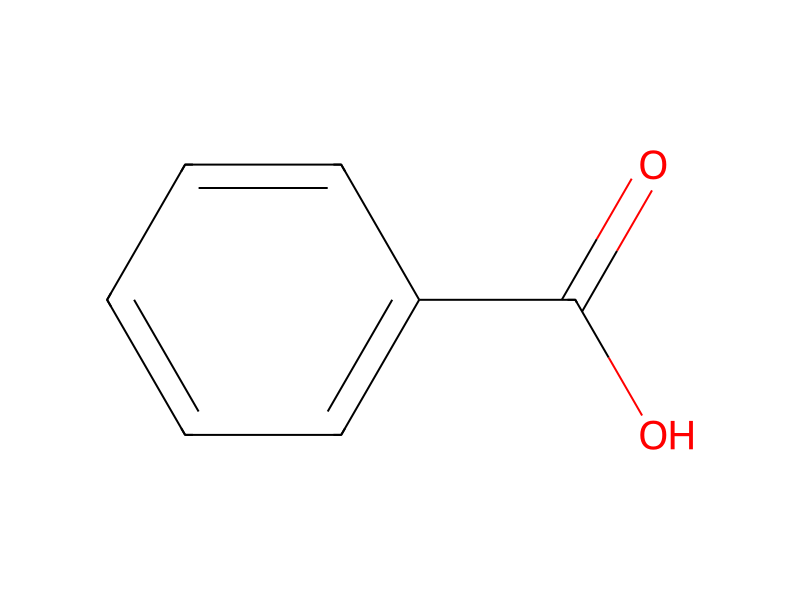
Benzaldehyde → N-Benzylidene-3-bromoaniline
HRID 1871074
Reaction equation

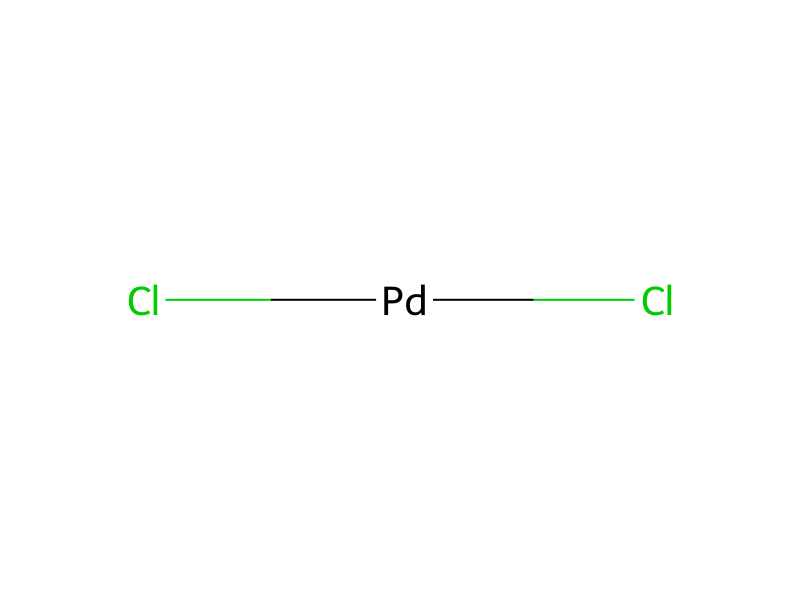
[C:1](O)(=O)[C:2]1[CH:7]=[CH:6][CH:5]=[CH:4][CH:3]=1.[Br:10][C:11]1[CH:12]=[C:13]([CH:15]=[CH:16][CH:17]=1)[NH2:14].C(=O)C1C=CC=CC=1.N#N>Cl[Pd]Cl.C(N(CC)CC)C>[CH:1](=[N:14][C:13]1[CH:12]=[C:11]([Br:10])[CH:17]=[CH:16][CH:15]=1)[C:2]1[CH:7]=[CH:6][CH:5]=[CH:4][CH:3]=1Participants
7