HomeMCPWorkbenchSkills
HomeWorkbenchNotificationsMe
llms.txt · MCP GuidePrivacy Policy · Terms of Service · Supportv1.8.0
  1. Home
  2. /Reaction

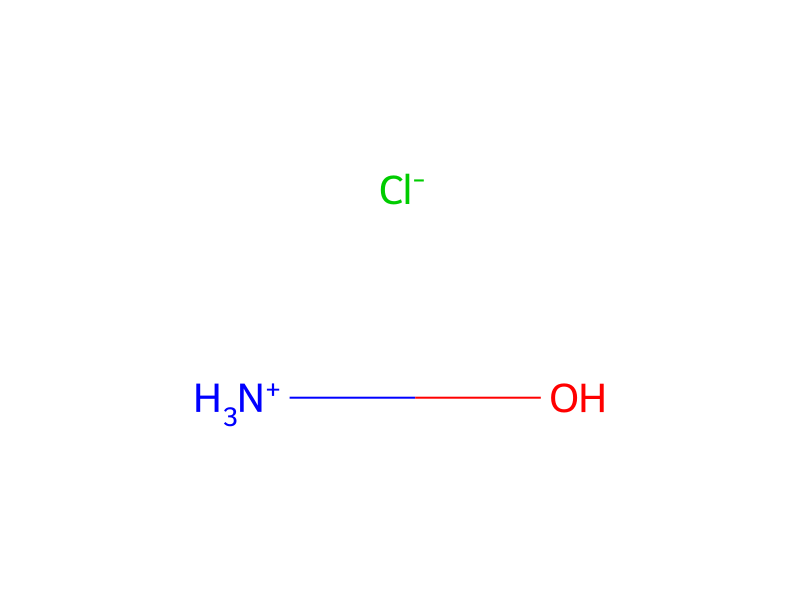
Hydroxylamine HCl → HCID 136052367, compound

HRID 1889590
Notes
Print preview

Reaction equation

HRID 1889590 reaction equation
[CH2:1]([C:3]1[S:28][C:6]2[N:7]([CH2:13][C:14]3[CH:19]=[CH:18][C:17]([C:20]4[C:21]([C:26]#[N:27])=[CH:22][CH:23]=[CH:24][CH:25]=4)=[CH:16][CH:15]=3)[C:8](=[O:12])[NH:9][C:10](=[O:11])[C:5]=2[CH:4]=1)[CH3:2].Br[CH2:30][C:31]([C:33]1[S:34][CH:35]=[CH:36][C:37]=1[Br:38])=[O:32].[H-].[Na+].[Cl-].O[NH3+:43].[C:44](=[O:47])([O-])[OH:45].[Na+]>C(OCC)(=O)C.CS(C)=O.C(Cl)(Cl)Cl.CN(C)C=O>[Br:38][C:37]1[CH:36]=[CH:35][S:34][C:33]=1[C:31](=[O:32])[CH2:30][N:9]1[C:10](=[O:11])[C:5]2[CH:4]=[C:3]([CH2:1][CH3:2])[S:28][C:6]=2[N:7]([CH2:13][C:14]2[CH:19]=[CH:18][C:17]([C:20]3[CH:25]=[CH:24][CH:23]=[CH:22][C:21]=3[C:26]3[NH:43][C:44](=[O:47])[O:45][N:27]=3)=[CH:16][CH:15]=2)[C:8]1=[O:12]
ParticipantsProcedureWorkupSources & evidenceReaction notes

Participants

10

Reactant 5

HCID 21645Hydroxylamine HClHCID 24758Sodium hydrideHCID 516892Sodium BicarbonateHCID 27644972-Bromo-1-(3-bromothiophen-2-yl)ethan-1-oneHCID 593517704'-[(6-ethyl-2,4-dioxo-3,4-dihydrothieno[2,3-d]pyrimidin-1(2H)-yl)methyl]biphenyl-2-carbonitrile

Product 1

HCID 136052367
HCID 136052367, compound
Yield 8.5%

Reagents, catalysts & solvents 4

HCID 679Dimethyl SulfoxideSolvent2×HCID 6212ChloroformSolventHCID 6228DimethylformamideSolventHCID 8857Ethyl AcetateSolvent

Procedure

To a mixture of 4′-[(6-ethyl-2,4-dioxo-3,4-dihydrothieno[2,3-d]pyrimidin-1(2H)-yl)methyl]biphenyl-2-carbonitrile (1.5 g), 2-bromo-1-(3-bromo-2-thienyl)ethanone (1.2 mL) and N,N-dimethylformamide (20 mL) was added sodium hydride (0.19 g), and the mixture was stirred at room temperature for 4 hr. The reaction mixture was diluted with ethyl acetate, washed successively with 5% aqueous potassium hydrogensulfate solution and saturated brine, and dried over anhydrous magnesium sulfate. The solvent was evaporated under reduced pressure. The residue obtained by silica gel column chromatography was dissolved in dimethyl sulfoxide (5 mL), and the mixture was added to a mixture of hydroxylammonium chloride (1.63 g), sodium hydrogencarbonate (1.98 g) and dimethyl sulfoxide (30 mL), which had been stirred at 40° C. for 30 min in advance. The reaction mixture was stirred at 90° C. for 16 hr, diluted with chloroform, washed successively with water and saturated brine, and dried over anhydrous magnesium sulfate. The solvent was evaporated under reduced pressure. The residue was dissolved in tetrahydrofuran (30 mL), N,N′-carbonyldiimidazole (0.46 g) and then 1,8-diazabicyclo[5.4.0]undec-7-ene (0.42 mL) were added, and the mixture was stirred at room temperature for 2 hr. The reaction mixture was diluted with chloroform, washed successively with saturated aqueous potassium hydrogensulfate solution and saturated brine, and dried over anhydrous magnesium sulfate. The solvent was evaporated under reduced pressure. To the obtained residue were added 20% sulfuric acid (5 mL) and ethanol (10 ml), and the mixture was stirred at 100° C. for 1 hr, and extracted with chloroform and water. The chloroform layer was washed with saturated brine, and dried over anhydrous magnesium sulfate. The solvent was evaporated under reduced pressure. The obtained residue was purified by preparative HPLC to give the title compound as colorless crystals (0.13 g, 8.5%).

Workup

  1. washwashed successively with 5% aqueous potassium hydrogensulfate solution and saturated brine
  2. dry with materialdried over anhydrous magnesium sulfate
  3. customThe solvent was evaporated under reduced pressure
  4. customThe residue obtained by silica gel column chromatography
  5. stirringhad been stirred at 40° C. for 30 min in advance
  6. stirringThe reaction mixture was stirred at 90° C. for 16 hr
  7. washwashed successively with water and saturated brine
  8. dry with materialdried over anhydrous magnesium sulfate
  9. customThe solvent was evaporated under reduced pressure
  10. dissolutionThe residue was dissolved in tetrahydrofuran (30 mL)
  11. additionN,N′-carbonyldiimidazole (0.46 g) and then 1,8-diazabicyclo[5.4.0]undec-7-ene (0.42 mL) were added
  12. stirringthe mixture was stirred at room temperature for 2 hr
  13. additionThe reaction mixture was diluted with chloroform
  14. washwashed successively with saturated aqueous potassium hydrogensulfate solution and saturated brine
  15. dry with materialdried over anhydrous magnesium sulfate
  16. customThe solvent was evaporated under reduced pressure
  17. additionTo the obtained residue were added 20% sulfuric acid (5 mL) and ethanol (10 ml)
  18. stirringthe mixture was stirred at 100° C. for 1 hr
  19. extractionextracted with chloroform and water
  20. washThe chloroform layer was washed with saturated brine
  21. dry with materialdried over anhydrous magnesium sulfate
  22. customThe solvent was evaporated under reduced pressure
  23. customThe obtained residue was purified by preparative HPLC

Sources & evidence

ORD record
ord-8aa55d2e600340ca8e88f697d2796852
Source dataset
uspto-grants-2013_08
DOI
10.6084/m9.figshare.5104873.v1
Patent number
US08501750B2

Reaction notes

Loading…

On this pageParticipantsProcedureWorkupSources & evidenceReaction notes





