HomeMCPWorkbenchSkills
HomeWorkbenchNotificationsMe
llms.txt · MCP GuidePrivacy Policy · Terms of Service · Supportv1.8.3
  1. Home
  2. /Reaction

Guanidine Hydrochloride → tert-Butyl 3-[5-(2-aminopyrimidin-4-yl)-4-(4-fluorophenyl)-1H-imidazol-1-yl]azetidine-1-carboxylate

HRID 1896642
Print

Reaction equation

HRID 1896642 reaction equation
[C:1]([C:4]1[N:8]([CH:9]2[CH2:12][N:11]([C:13]([O:15][C:16]([CH3:19])([CH3:18])[CH3:17])=[O:14])[CH2:10]2)[CH:7]=[N:6][C:5]=1[C:20]1[CH:25]=[CH:24][C:23]([F:26])=[CH:22][CH:21]=1)(=O)[CH3:2].[CH3:27]OC(OC)N(C)C.Cl.[NH2:36][C:37]([NH2:39])=[NH:38].C(=O)([O-])[O-].[K+].[K+].[OH-].[Na+]>C(O)CC>[NH2:38][C:37]1[N:39]=[C:1]([C:4]2[N:8]([CH:9]3[CH2:12][N:11]([C:13]([O:15][C:16]([CH3:19])([CH3:18])[CH3:17])=[O:14])[CH2:10]3)[CH:7]=[N:6][C:5]=2[C:20]2[CH:25]=[CH:24][C:23]([F:26])=[CH:22][CH:21]=2)[CH:2]=[CH:27][N:36]=1
ParticipantsConditionsProcedureWorkupSources & evidenceReaction notes

Participants

7

Reactant 5

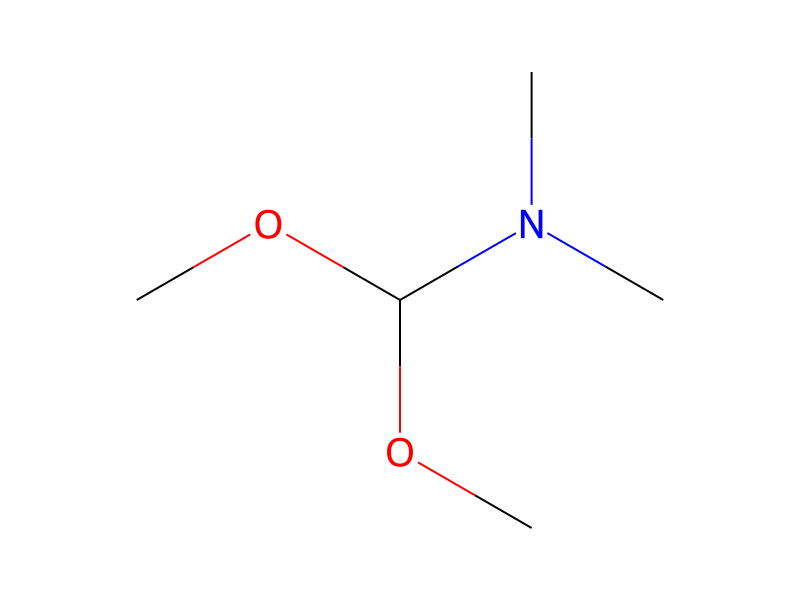
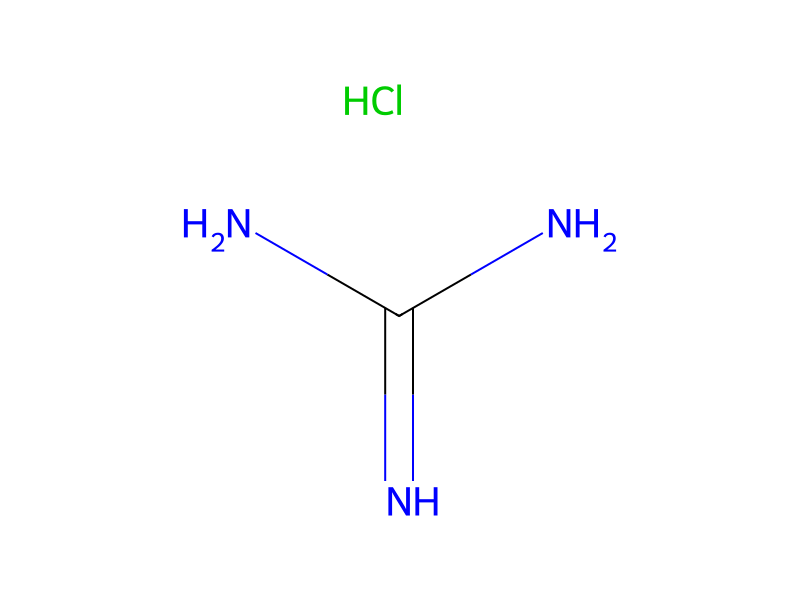
HCID 5742Guanidine HydrochlorideHCID 11430Potassium CarbonateHCID 14798Sodium HydroxideHCID 78373Dimethylformamide dimethyl acetalHCID 57461730tert-Butyl 3-[5-acetyl-4-(4-fluorophenyl)-1H-imidazol-1-yl]azetidine-1-carboxylate

Product 1

HCID 57461719
tert-Butyl 3-[5-(2-aminopyrimidin-4-yl)-4-(4-fluorophenyl)-1H-imidazol-1-yl]azetidine-1-carboxylate

Reagents, catalysts & solvents 1

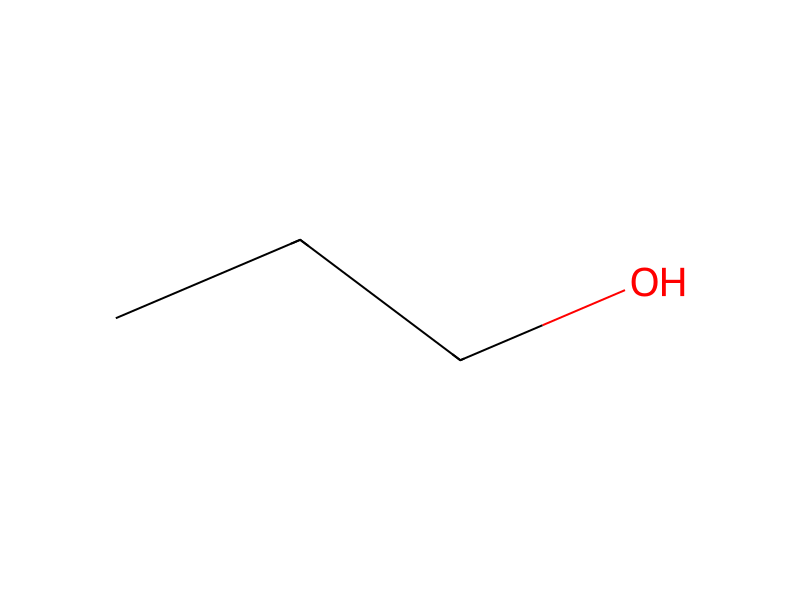
HCID 10311-PropanolSolvent

Conditions

Temperature
90 °C

Procedure

To a solution of tert-butyl 3-[5-acetyl-4-(4-fluorophenyl)-1H-imidazol-1-yl]azetidine-1-carboxylate (C3) (5.6 g, 15.6 mmol) in n-propanol (50 mL) was added N,N-dimethylformamide dimethyl acetal (12 g, 100 mmol), and the reaction mixture was stirred at 90° C. for 3 hours. At this point, guanidine hydrochloride (7.2 g, 75 mmol) and potassium carbonate (10 g, 72 mmol) were added to the reaction mixture. After stirring at 92° C. for an additional 16 hours, the reaction was treated with aqueous sodium hydroxide solution (5 N, 10 mL, 50 mmol), and stirring was continued for 16 hours at 92° C. After concentration in vacuo, the residue was partitioned between ethyl acetate (100 mL) and water (100 mL), and the aqueous phase was extracted with ethyl acetate (2×100 mL). The combined organic layers were dried over sodium sulfate, filtered, and concentrated under reduced pressure. The crude material was purified via silica gel chromatography (Eluant: 1:1 to 1:2 petroleum ether: ethyl acetate) to afford the product as a solid. Yield: 2.1 g, 5.1 mmol, 33%. NMR data was obtained from the product of a reaction run under similar conditions. 1H NMR (400 MHz, CD3OD) δ 1.46 (s, 9H), 4.22 (dd, J=9, 5 Hz, 2H), 4.41 (dd, J=9, 9 Hz, 2H), 5.47 (m, 1H), 6.39 (d, J=5.1 Hz, 1H), 7.10 (dd, J=8.7, 8.7 Hz, 2H), 7.42-7.47 (m, 2H), 8.09 (d, J=5.3 Hz, 1H), 8.25 (s, 1H).

Workup

  1. stirringAfter stirring at 92° C. for an additional 16 hours
  2. stirringstirring
  3. waitwas continued for 16 hours at 92° C
  4. concentrationAfter concentration in vacuo
  5. customthe residue was partitioned between ethyl acetate (100 mL) and water (100 mL)
  6. extractionthe aqueous phase was extracted with ethyl acetate (2×100 mL)
  7. dry with materialThe combined organic layers were dried over sodium sulfate
  8. filtrationfiltered
  9. concentrationconcentrated under reduced pressure
  10. customThe crude material was purified via silica gel chromatography (Eluant: 1:1 to 1:2 petroleum ether: ethyl acetate)

Sources & evidence

ORD record
ord-4331fdf16e434b978c72db3b8a16c0c4
Source dataset
uspto-grants-2013_08
DOI
10.6084/m9.figshare.5104873.v1
Patent number
US08518944B2

Reaction notes

On this pageParticipantsConditionsProcedureWorkupSources & evidenceReaction notes