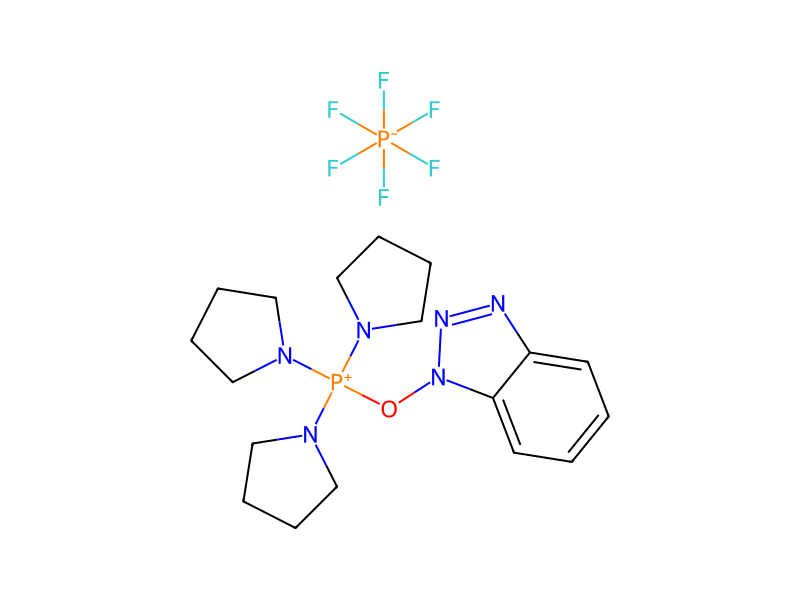
[N:1]1[CH:6]=[CH:5][CH:4]=[CH:3][C:2]=1[C:7]([OH:9])=O.CCN(C(C)C)C(C)C.C1CN([P+](ON2N=NC3C=CC=CC2=3)(N2CCCC2)N2CCCC2)CC1.F[P-](F)(F)(F)(F)F.O[NH:53][C:54]([C:56]1[CH:61]=[CH:60][CH:59]=[CH:58][N:57]=1)=[NH:55]>CN(C=O)C.O1CCOCC1>[N:57]1[CH:58]=[CH:59][CH:60]=[CH:61][C:56]=1[C:54]1[N:55]=[C:7]([C:2]2[CH:3]=[CH:4][CH:5]=[CH:6][N:1]=2)[O:9][N:53]=1To a solution of the appropriate pyridine carboxylic acid (1 eq.) and DIPEA (3 eq.) in DMF is added PyBOP (1.05 eq.) at 0° C. The mixture is stirred for 15 min at 0° C. The appropriate N-hydroxy pyridine-carboxamidine (1.05 eq.) is added and stirring is continued for 1 to 8 h at 0° C. to rt. The reaction is monitored by LC-MS. Upon complete conversion, the reaction is quenched with water and sat. aq. NaHCO3-solution. The mixture is extracted with diethyl ether, EA or DCM. The org. extracts are dried over MgSO4, filtered and evaporated to give the crude hydroxyamidine ester. This material is dissolved in dioxane and the resulting solution is stirred at 70-90° C. for 4 to 24 h. The solvent is removed in vacuo and the crude product is purified by either CC on silica gel, chromatography on prep. TLC plates or by HPLC to give the desired 3,5-dipyridyl-[1,2,4]oxadiazol in 30-80% yield.