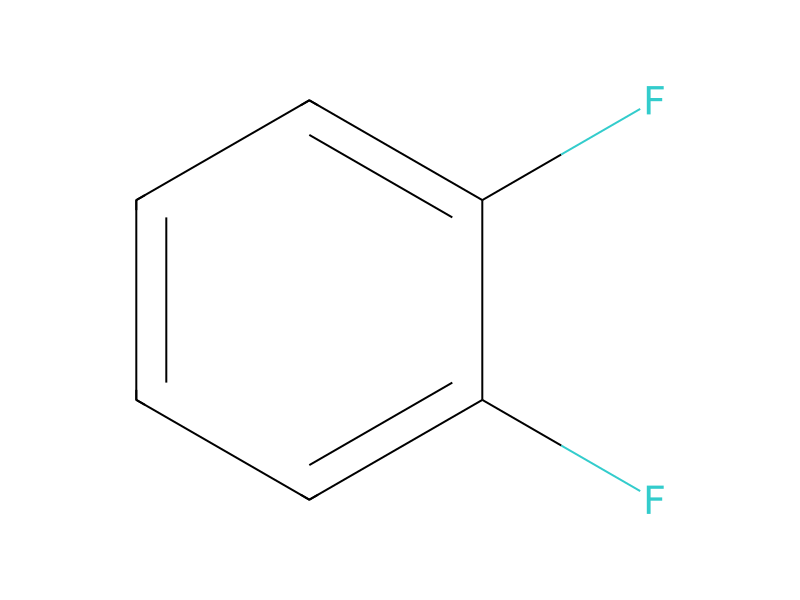
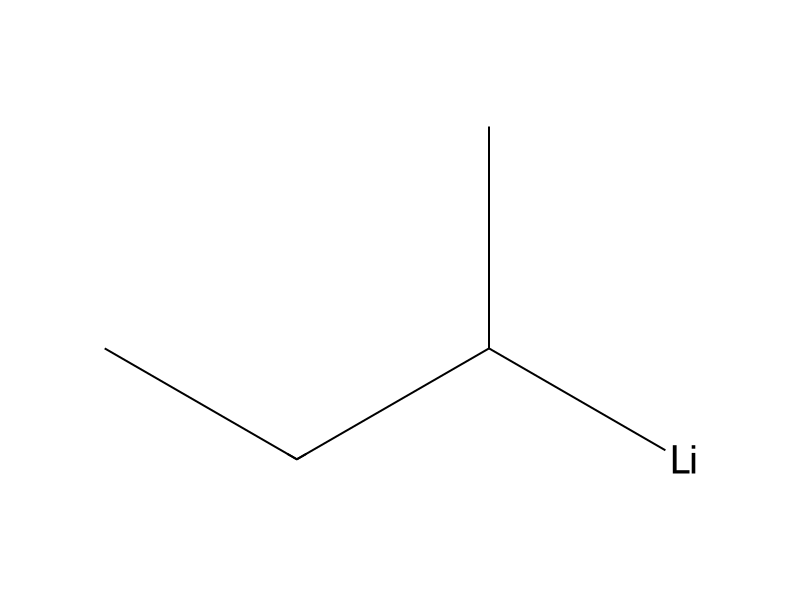
1,2-Difluorobenzene (42) (57 g) and THF (100 ml) were put in a reaction vessel under a nitrogen atmosphere, and cooled to −74° C. sec-Butyllithium (1.00 M, in a n-hexane and cyclohexane solution; 500 ml) was added dropwise thereto in the temperature range of −74° C. to −70° C., and the mixture was stirred for another 2 hours. Subsequently, 4-butoxycyclohexanone (22) (85.1 g) in a THF (200 ml) solution was added dropwise thereto in the temperature range of −75° C. to −70° C., and the mixture was stirred for 8 hours while allowing the temperature to come to 25° C. The reaction mixture obtained was added into a vessel containing an aqueous 1N—HCl solution (500 ml) and ethyl acetate (500 ml), and mixed. Subsequently, the mixture was allowed to stand until it had separated into two phases of organic and aqueous phases, and an extractive operation was carried out. The organic phase obtained was fractionated, washed with water, a saturated aqueous solution of sodium hydrogencarbonate and water and then dried over anhydrous magnesium sulfate. Then, the solvent was distilled off under reduced pressure, giving 130.1 g of 4-butoxy-(2,3-difluorophenyl)cyclohexanol (47). The compound (47) obtained was a yellow oily material.